

As geopolitical tensions continue to evolve in West Asia, the Government of India has intensified efforts to safeguard energy supplies, maintain essential services and ensure the safety of Indian nationals in the region. According to an official update, coordinated measures across ministries and states are helping the country navigate potential disruptions effectively.
The Ministry of Petroleum and Natural Gas confirmed that India’s fuel supply remains stable, even as concerns persist over disruptions near the Strait of Hormuz. Domestic LPG, PNG and CNG supplies are being maintained at full capacity, with no reported shortages at distribution points. Citizens have been urged to avoid panic buying and rely on official information channels.
To ease pressure on LPG demand, the government is promoting alternative fuels such as PNG, kerosene and electric cooking solutions. Additionally, domestic LPG production has been ramped up, and refinery operations are running at high capacity with adequate crude inventories.
Significant progress has been made in expanding access to cleaner fuels. Since March 2026, over 4.4 lakh PNG connections have been activated, while nearly 4.9 lakh new customers have registered. The government is also accelerating infrastructure development through policy reforms and streamlined approvals.
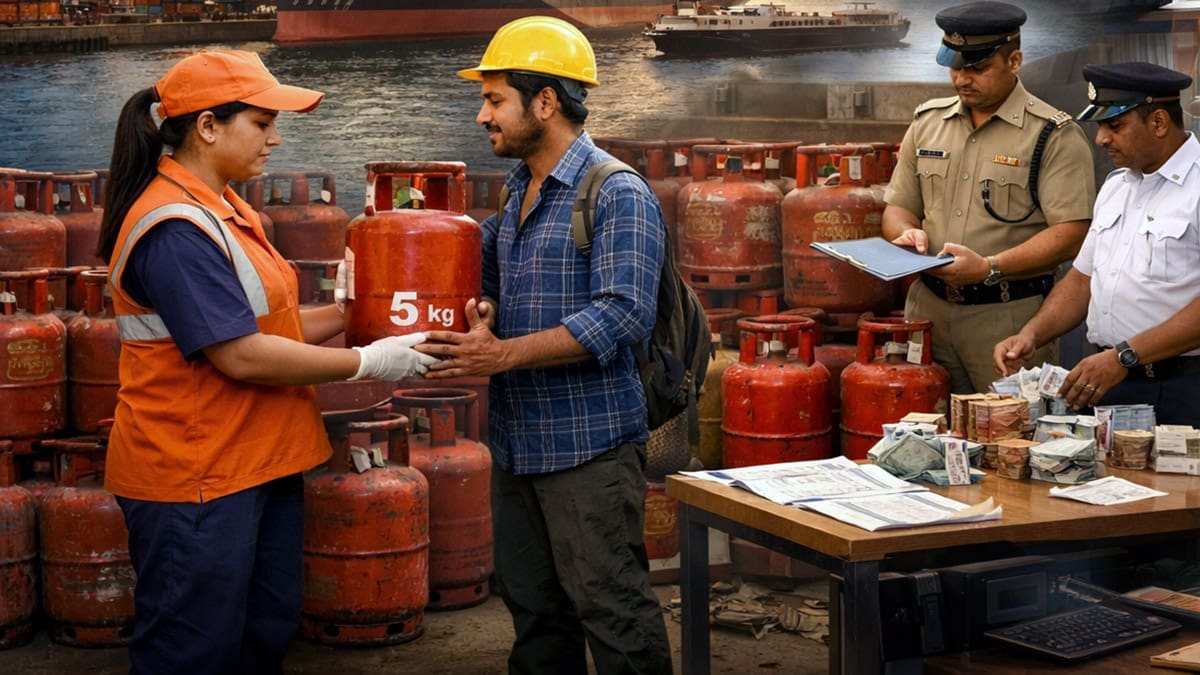
Meanwhile, more than 14.3 lakh 5 kg LPG cylinders have been distributed since late March, particularly targeting migrant workers. Commercial LPG allocation has been restored to around 70% of pre-crisis levels, with priority given to critical sectors such as healthcare, education and agriculture.
Authorities have intensified enforcement actions to prevent hoarding and black marketing. On April 13 alone, nearly 3,000 raids were conducted nationwide. Oil marketing companies have also carried out inspections, penalising over 200 LPG distributors and suspending several licenses.
State governments have been empowered under the Essential Commodities Act to monitor supplies and take strict action against violations. Control rooms and district monitoring committees have been established to ensure transparency and accountability.
Despite regional tensions, India’s maritime operations continue without disruption. Ports across the country are functioning normally, with no congestion reported. Indian seafarers in the Gulf region remain safe and over 2,200 have been repatriated so far.
Air travel has also adapted to changing conditions, with alternative routes and non-scheduled flights ensuring continued connectivity. Since late February, approximately 9.55 lakh passengers have travelled from West Asia to India.
The Ministry of External Affairs is actively coordinating with foreign governments and Indian missions to ensure the safety of citizens abroad. Round-the-clock helplines, evacuation support and travel advisories are being provided across affected regions.
Efforts include facilitating movement from high-risk areas such as Iran, Israel and Kuwait through alternative transit routes. Indian missions are working closely with local authorities to assist citizens and ensure access to essential services.
To shield consumers from rising global crude prices, the government has reduced excise duties on petrol and diesel by ₹10 per litre. Export levies on diesel and aviation turbine fuel have also been increased to ensure adequate domestic availability, while retail fuel prices remain unchanged.


