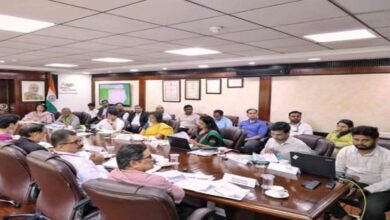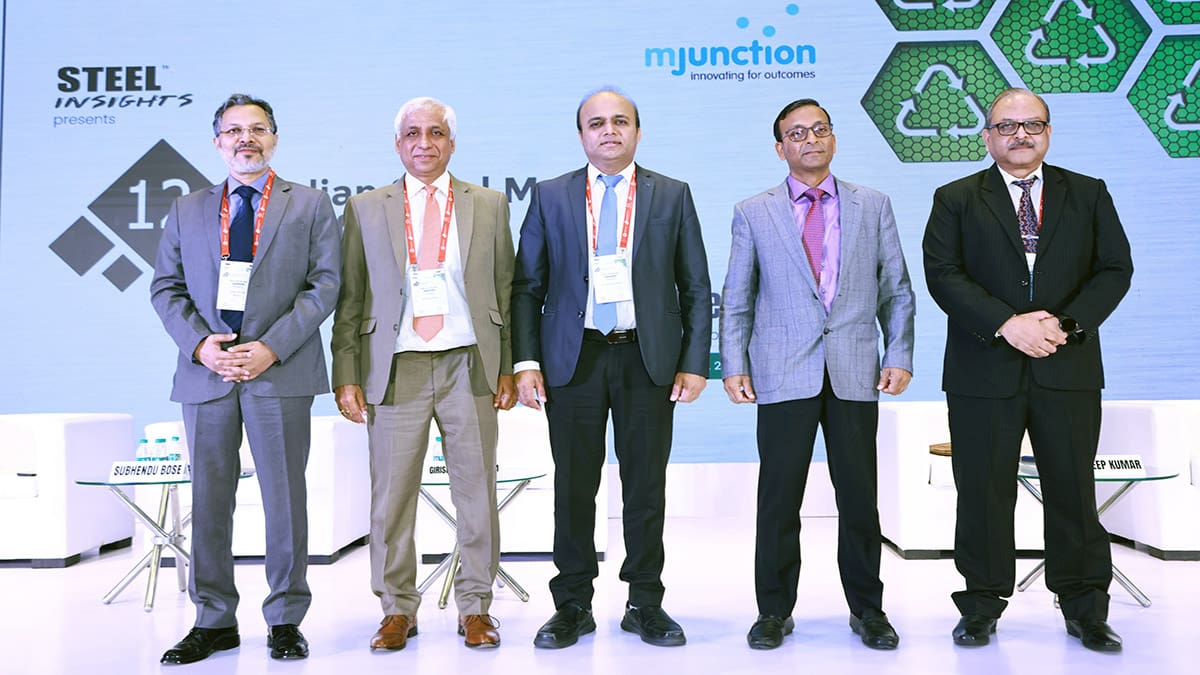

Steel scrap is fast emerging as the most crucial raw material in India’s journey toward green steel, industry leaders said at the opening day of the 12th Indian Steel Markets Conference, organised by mjunction services limited.
Speaking at the inaugural session, Vinaya Varma, Managing Director of mjunction, underscored the unique role of scrap in building a sustainable steel ecosystem. “Steel is one of the few materials that can be recycled infinitely without losing its strength or quality. That makes it not only the backbone of industrial growth, but also of sustainability,” Varma said. India currently consumes around 42 million tonnes of scrap annually, a figure rising at over 6% year-on-year, he noted. The country also imports nearly 9 million tonnes each year to support growing demand.
This year’s conference theme, “Indian Steel Value Chain – Recycle. Reshape. Innovate. Sustain.” reflects the sector’s intensifying focus on decarbonisation, in line with global commitments. “Sustainability is no longer optional but strategic,” said Syed Jawed Ahmed, Executive Director at SAIL, outlining the company’s ongoing efforts to align with evolving norms for green steel production.
India’s steel manufacturing capacity is set for robust expansion in the coming years, according to Subhendu Bose, MD of Duferco Asia Pte Ltd. This surge is being fuelled by rising consumption across public and private sectors.
Government capital expenditure alone accounts for about 60% of steel usage, said Girishkumar Kadam, Senior Vice President & Group Head (Corporate Sector Ratings) at ICRA. “India’s young and growing population is also generating demand,” he added.
But even as output rises, producers face mounting raw material challenges.
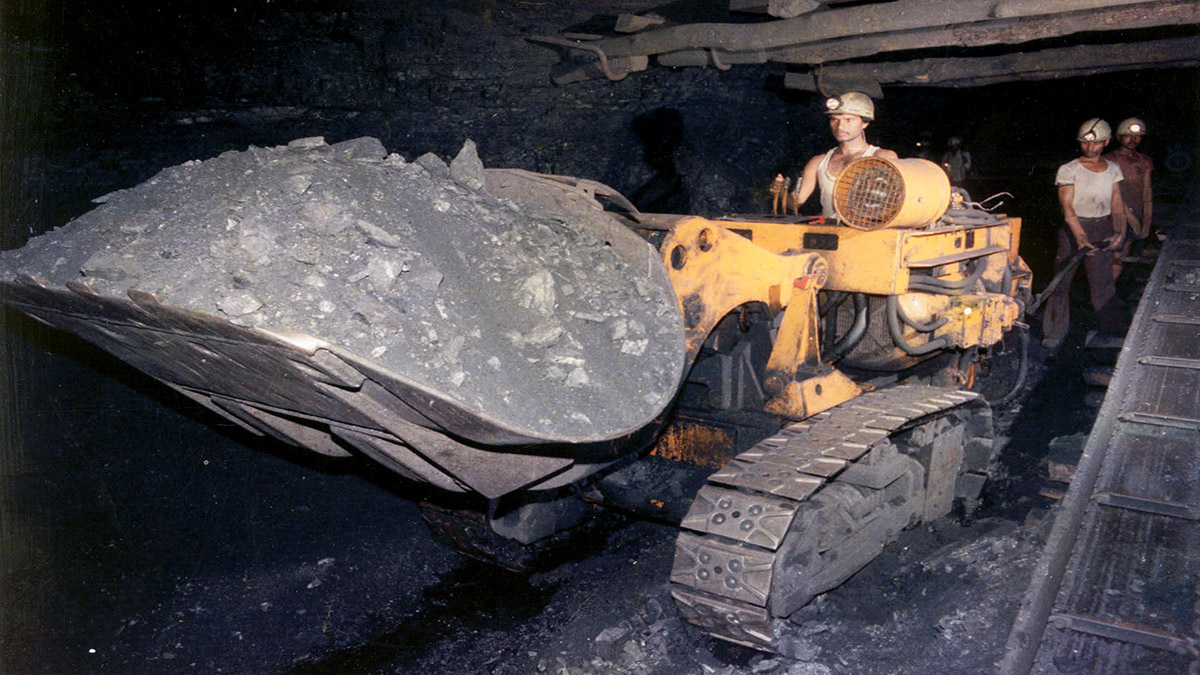
Coking coal imports, essential for blast furnace operations, are likely to become increasingly expensive, warned Sandeep Kumar, Vice President, Raw Materials at Tata Steel. He also pointed out that aggressive bidding for iron ore mines is driving up domestic ore prices, adding to cost pressures.
Beyond the immediate need to decarbonise, the conference aims to offer deeper insights into global and domestic volatility, policy shifts, changing trade dynamics, and the wider push for sustainable practices that will define India’s steel growth trajectory in the coming decade.
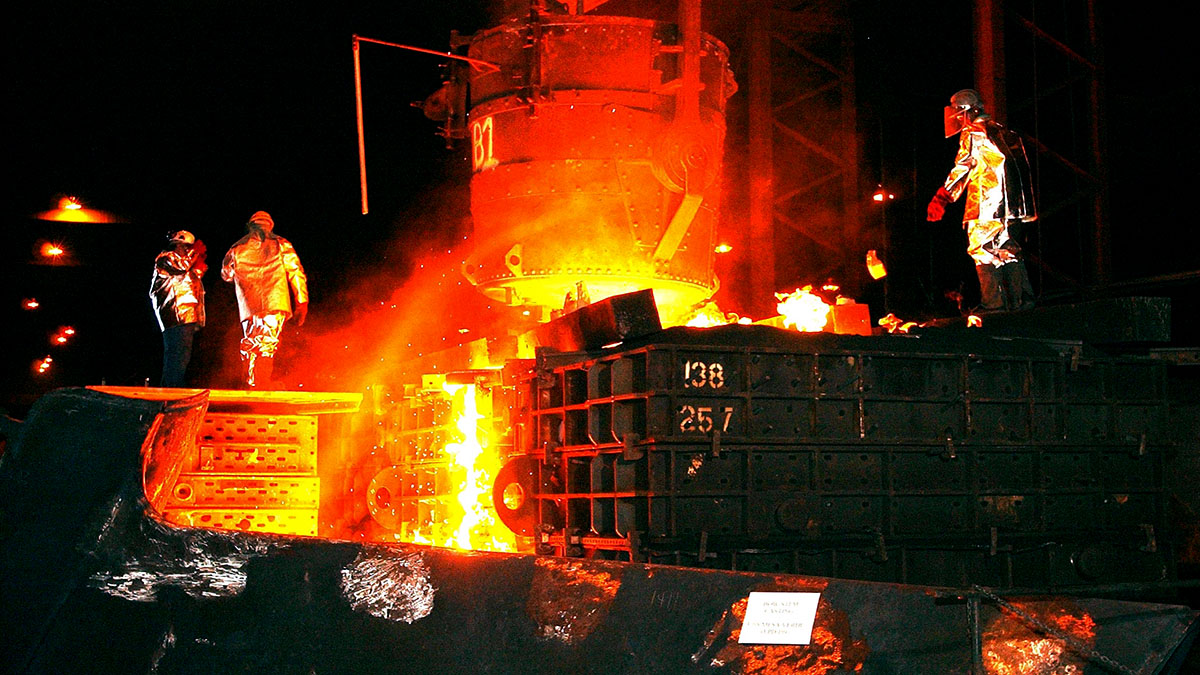
With steel demand accelerating and resource constraints tightening, industry leaders at the event stressed that efficient scrap recycling and circularity will play an increasingly central role in shaping a greener, more resilient steel value chain.