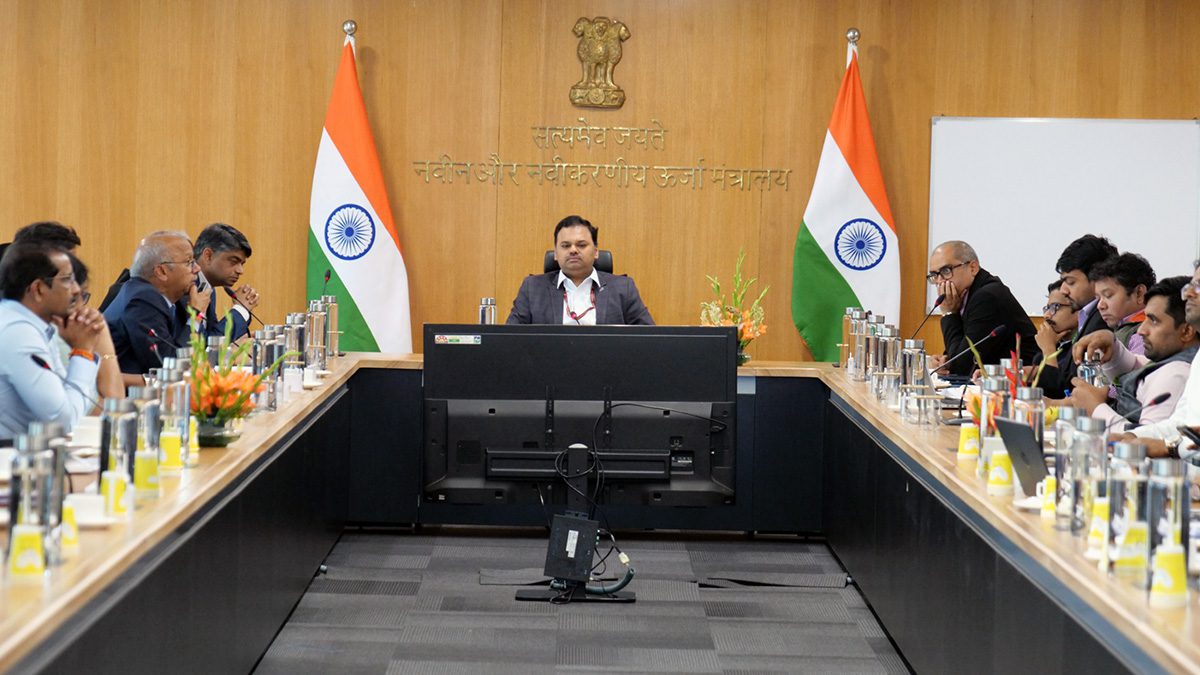

The Ministry of New and Renewable Energy (MNRE) has initiated a major push to accelerate floating solar deployment across India, holding a high-level stakeholder consultation on Friday to deliberate on a draft Floating Solar PV (FSPV) Potential Assessment Report and a draft policy framework aimed at streamlining project development.
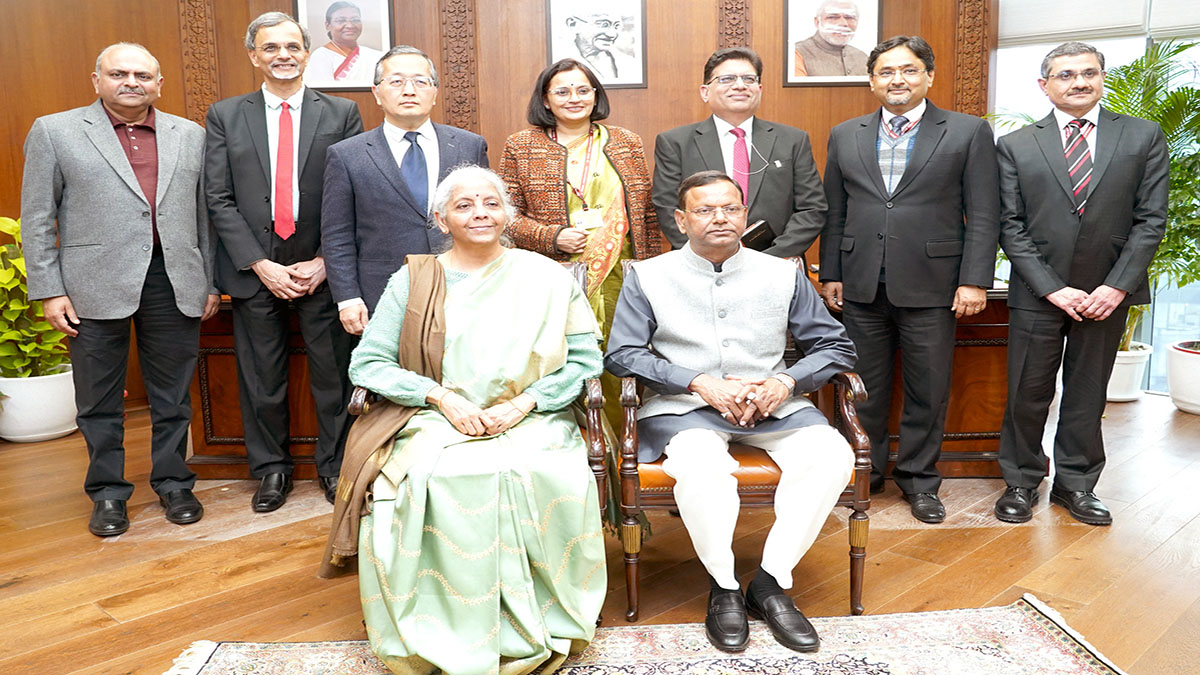
The workshop, chaired by Joint Secretary Shri J.V.N. Subramanyam, brought together senior ministry officials, State Renewable Energy (RE) nodal agencies, and representatives from States and Union Territories, alongside experts from the National Institute of Solar Energy (NISE), IIT Roorkee and the Solar Energy Corporation of India (SECI).
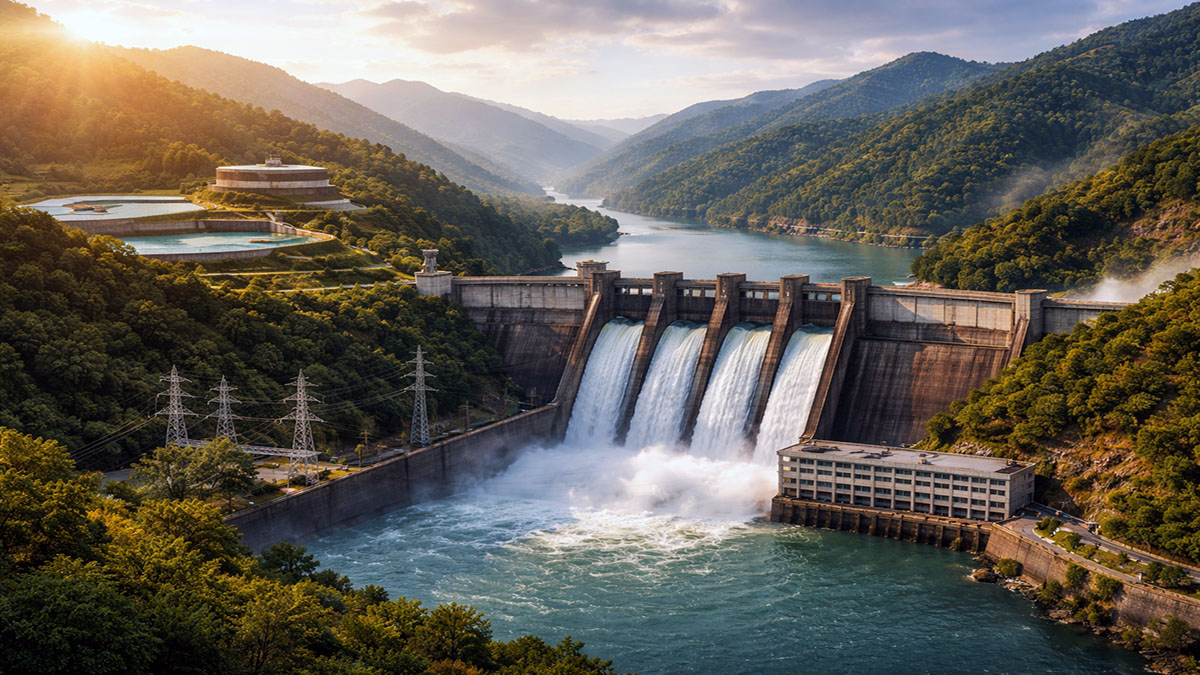
With mounting land constraints slowing the pace of ground-mounted renewable energy projects, floating solar photovoltaic systems have emerged as a promising alternative. Installed on reservoirs, dams and other water bodies, FSPV projects offer the dual benefit of conserving land and reducing water evaporation.
However, despite India’s ambitious renewable energy targets, only around 700 MW of floating solar capacity has been commissioned so far. Officials acknowledged that the limited uptake has been largely due to insufficient data on potential sites and the absence of a clear, standardized framework for project execution.
To address these bottlenecks, MNRE, in collaboration with NISE and IIT Roorkee, has prepared a comprehensive potential assessment and a draft policy to provide guidance on technical, regulatory and implementation aspects.
During the consultation, MNRE urged all States and Union Territories to conduct internal consultations with key departments including Water Resources, Irrigation, Revenue, Fisheries, Forest, Agriculture, DISCOMs and Transcos, Public Works, Tourism and Pollution Control Boards, to gather feedback on the draft documents.
States have been encouraged to identify and prioritize suitable water bodies for floating solar development based on assessed potential and policy recommendations.
The discussions also highlighted innovative mechanisms such as ‘plug-and-pay’ models and pre-approved allotment of water bodies, designed to de-risk investments by ensuring necessary clearances are secured upfront. Officials emphasized that such measures could significantly enhance investor confidence and expedite project commissioning.
MNRE indicated that further consultations will be held with key central bodies, including the Ministry of Environment, Forest and Climate Change (MoEFCC), the Wetland Authority, and the National Dam Safety Authority, to ensure environmental safeguards and dam safety norms are fully integrated into the policy framework.
The ministry’s proactive approach signals a coordinated effort to unlock India’s untapped floating solar potential, positioning water-based solar installations as a critical component of the country’s clean energy transition.
As India moves toward expanding its renewable energy footprint, floating solar is expected to play an increasingly strategic role in overcoming land-related challenges while boosting sustainable power generation capacity.