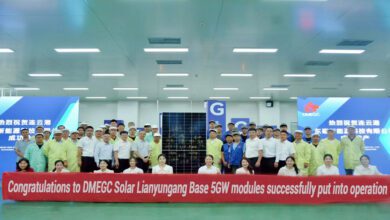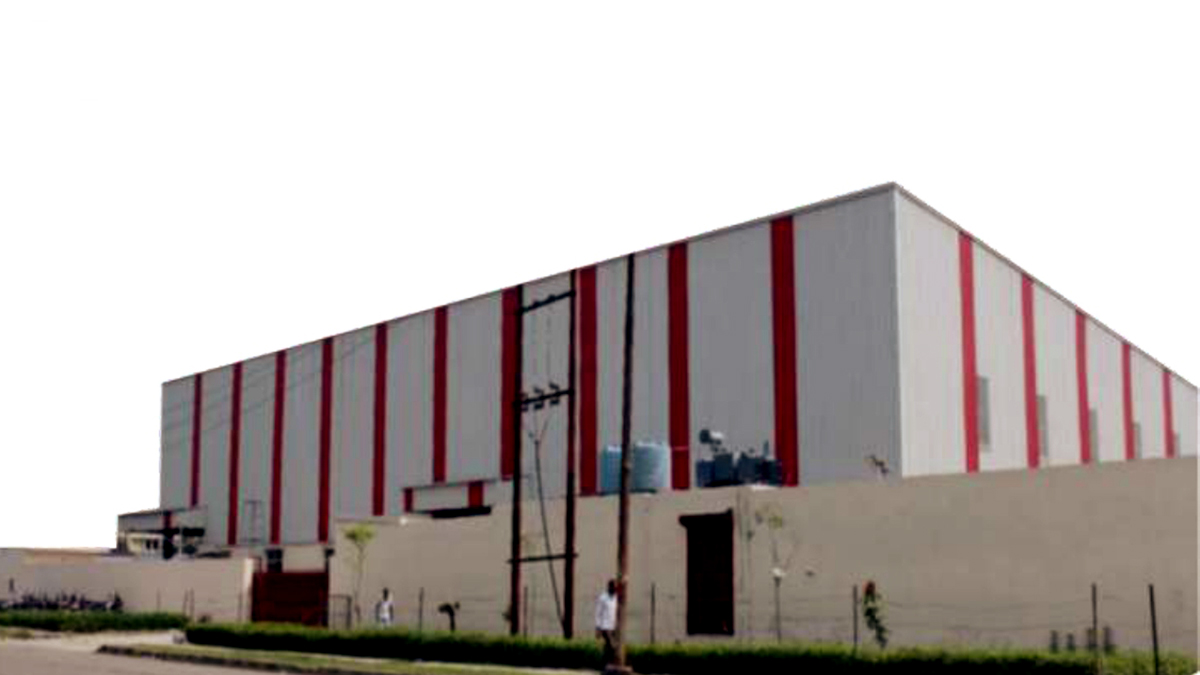

Inox Solar Limited, a wholly-owned subsidiary of Inox Clean Energy Limited, has commenced production at its new 3 GW solar module manufacturing facility in Bavla, Ahmedabad, Gujarat. The first phase of the plant, with an initial capacity of 1.2 GW, has been completed and operationalised within just four months.
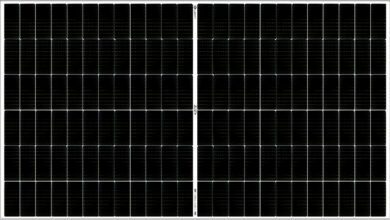
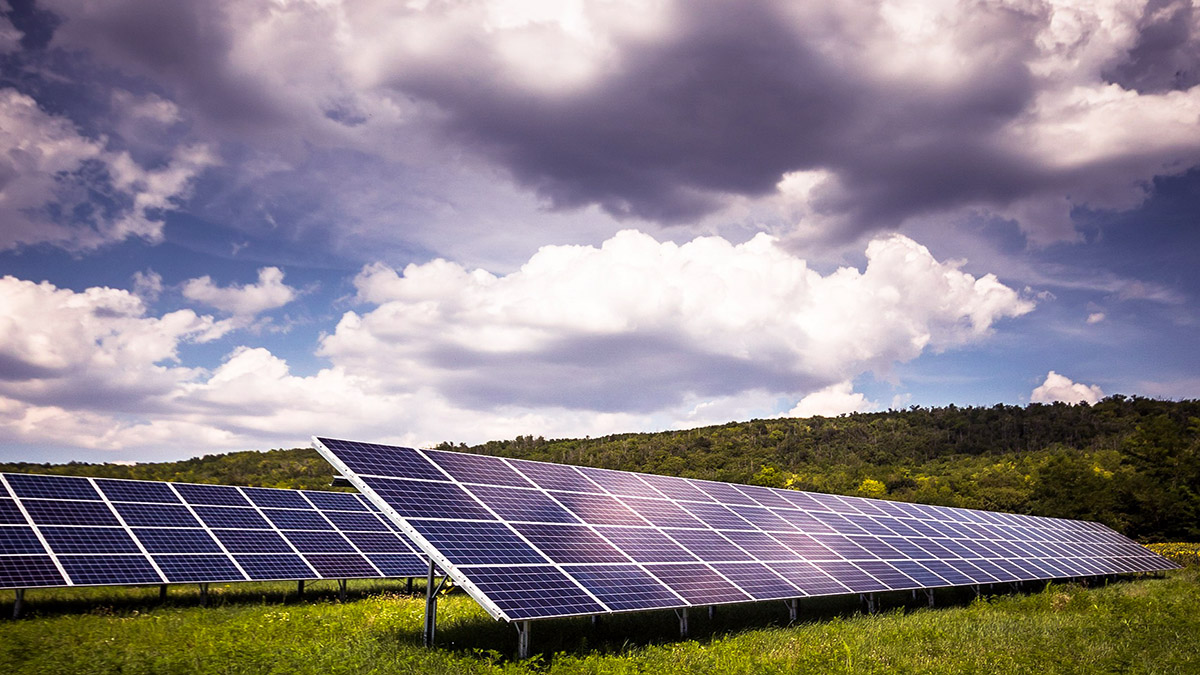
The fully automated facility is equipped with advanced technology to produce N-type TOPCon solar modules using M10, G12R, and G12 solar cells. These bi-facial modules, capable of dual-sided power generation, are designed to deliver higher efficiency, lower degradation rates, and improved reliability, setting new benchmarks for modern solar installations.
The second phase of the Bavla project, currently underway, will add another 1.8 GW, scaling up the total manufacturing capacity to 3 GW. In addition, Inox Solar is developing an integrated 4.8 GW solar cell-plus-module plant in Dhenkanal, Odisha, positioning itself as a key player in India’s push for renewable energy self-reliance.
Commenting on the milestone, Devansh Jain, Executive Director of INOXGFL Group, said, “The first phase completion of our Bavla facility has been achieved within four months’ time. This milestone is not just about expanding capacity, it’s about India taking one more giant leap towards energy independence. With the current deficit in the domestic solar cell manufacturing capacity, large conglomerates such as INOXGFL with integrated offerings, are primed to benefit from the large-scale opportunities that the sector beholds.”
Bharat Saxena, CEO and Whole-time Director of Inox Clean Energy, added, “Inox Solar is expanding its capacities offering advanced technology solar modules and is fully aligned with the nation’s ambition of self-reliance and sustainability in power generation. The commissioning of the first phase reinforces INOXGFL Group’s credentials and strengthens our leadership in the renewables space.”
With this development, Inox Solar aims to play a pivotal role in strengthening India’s domestic solar manufacturing ecosystem, reducing dependence on imports, and bolstering the country’s position in global renewable energy supply chains.