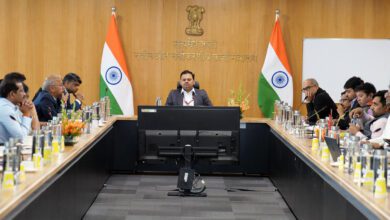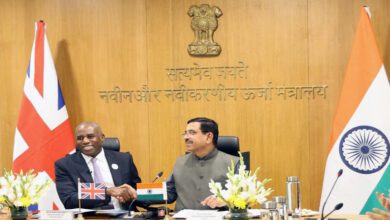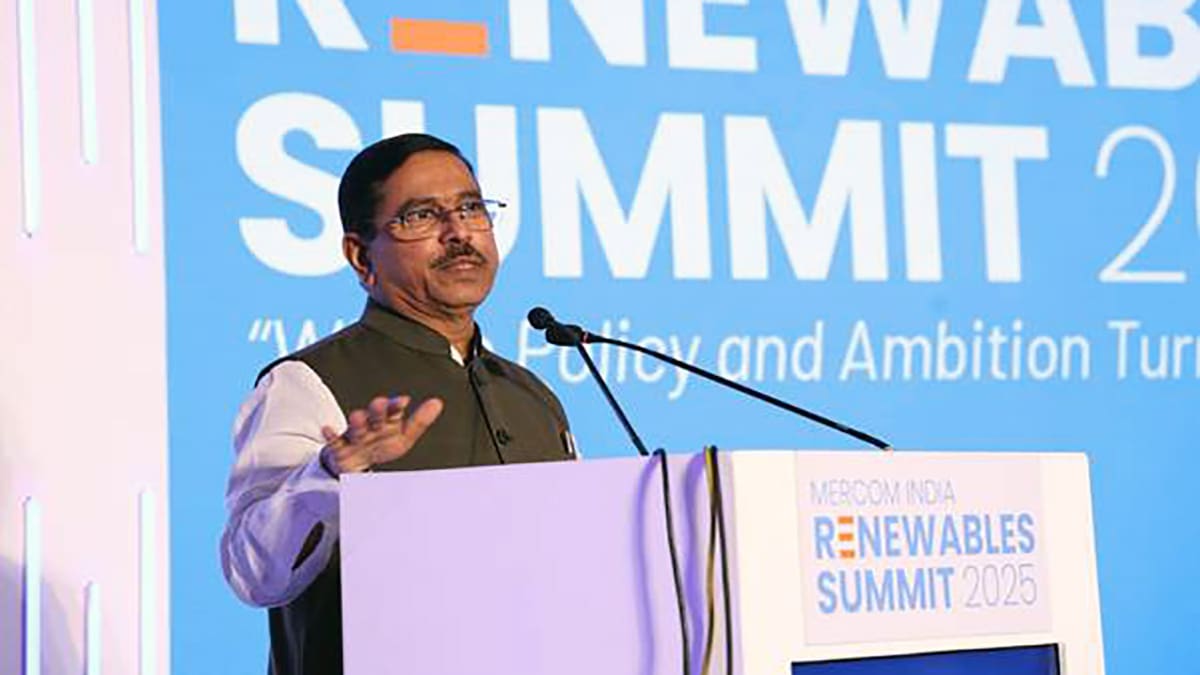

Union Minister for New & Renewable Energy, Pralhad Joshi, emphasised India’s accelerated push toward a resilient and self-reliant renewable energy future, outlining five key priorities steering the country’s clean energy transformation. Addressing the Mercom India Renewables Summit in New Delhi, the Minister underscored that India’s transition is being shaped by strengthened power purchase agreements (PPAs), development of robust grid and storage infrastructure, promotion of domestic manufacturing, optimised land use, and improved access to finance.
Under the leadership of Prime Minister Narendra Modi, the Minister said India is not only meeting its clean energy commitments but fast-tracking progress towards them. He stated that the government’s strategic reforms are aimed at achieving the ambitious target of 500 GW of non-fossil fuel capacity by 2030. Notably, India has already surpassed a significant milestone by deriving more than 50% of its installed power capacity from non-fossil sources—five years ahead of its Nationally Determined Contribution (NDC) timeline.
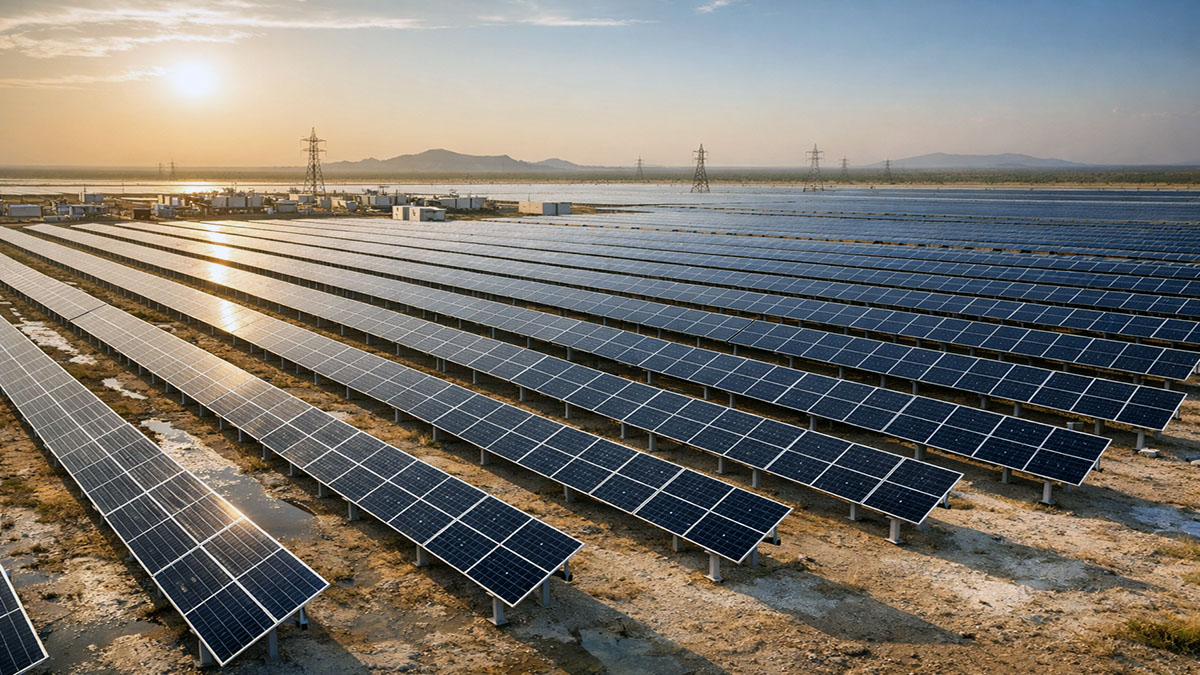
Currently, India’s installed renewable energy capacity stands at over 245 GW, comprising 116 GW of solar and 52 GW of wind energy. Citing findings from the International Renewable Energy Agency (IRENA), Joshi highlighted that India’s renewable energy expansion in 2024 has yielded significant economic and environmental dividends. The country saved nearly ₹4 lakh crore by avoiding fossil fuel imports and pollution-related costs. These savings include $14.9 billion in fossil fuel costs, the avoidance of 410.9 million tonnes of CO₂ emissions, and $31.7 billion in health and air pollution benefits.
To support the sector’s financial stability and continued growth, the government has launched key initiatives including the PM Surya Ghar: Muft Bijli Yojana. This scheme has garnered over 58.7 lakh applications and facilitated the completion of 17.2 lakh rooftop solar installations. In another major move, a ₹5,400 crore Viability Gap Funding (VGF) scheme has been introduced for 30 GWh of Battery Energy Storage Systems (BESS), expected to attract investments worth ₹33,000 crore.
The government has also formulated a comprehensive transmission infrastructure plan to evacuate 500 GW of non-fossil energy by 2030, developed in coordination with the Ministry of Power, Central Electricity Authority (CEA), Central Transmission Utility (CTU), and POWERGRID. Joshi also announced the expansion of the Approved List of Models and Manufacturers (ALMM), with List-II for solar PV cells set to be implemented from June 2026. The ₹24,000 crore Production Linked Incentive (PLI) scheme is driving India’s goal of achieving self-reliance in solar and wind energy manufacturing.
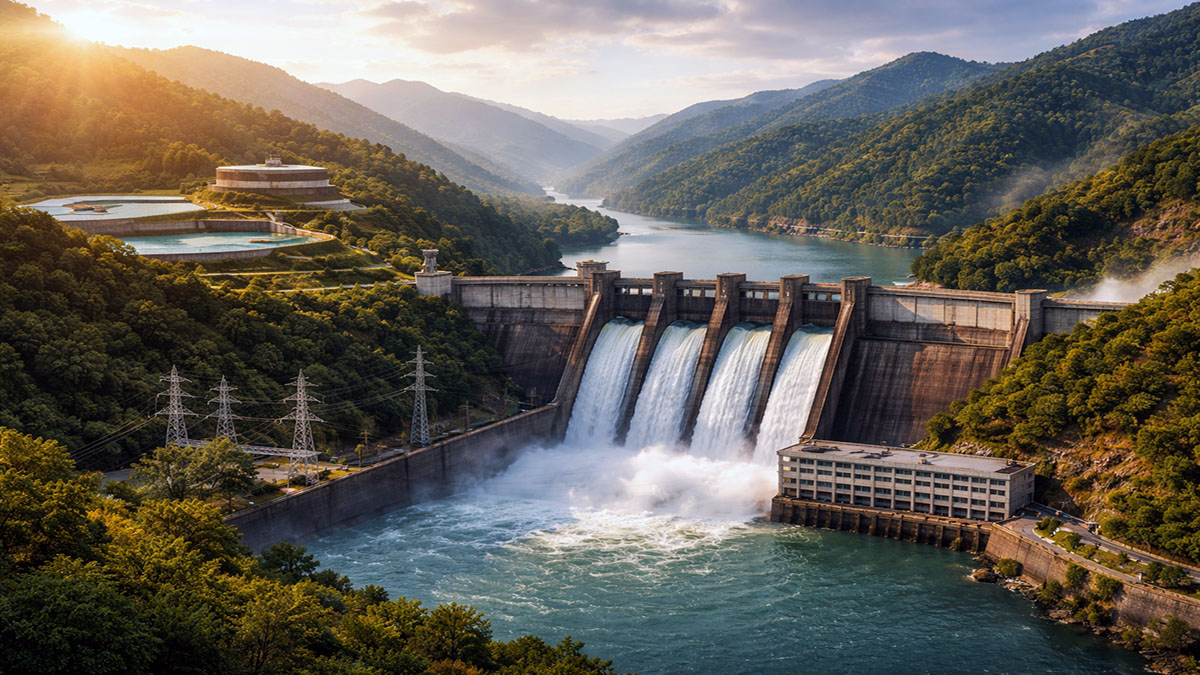
To ensure sustainable development, the Ministry is supporting innovative projects such as floating solar, canal-top solar, agrivoltaics, and installations in tribal and remote regions. The government is also empowering micro, small, and medium enterprises (MSMEs) and startups to lead scalable clean energy innovations. Moreover, the National Green Hydrogen Mission is progressing steadily, with an outlay of ₹19,744 crore, allocation of 3,000 MW electrolyser capacity, and approval for the production of over 8.6 lakh tonnes of green hydrogen annually.