In a remarkable stride towards sustainable growth, India has reached a major landmark in its clean energy transition by achieving 50% of its installed electricity capacity from non-fossil fuel sources. This achievement comes five years ahead of the target set under its Nationally Determined Contributions (NDCs) to the Paris Agreement, signalling the country’s unwavering commitment to climate action and environmental stewardship. Under the leadership of Prime Minister Narendra Modi, India’s energy landscape is undergoing a transformative shift towards sustainability and self-reliance.
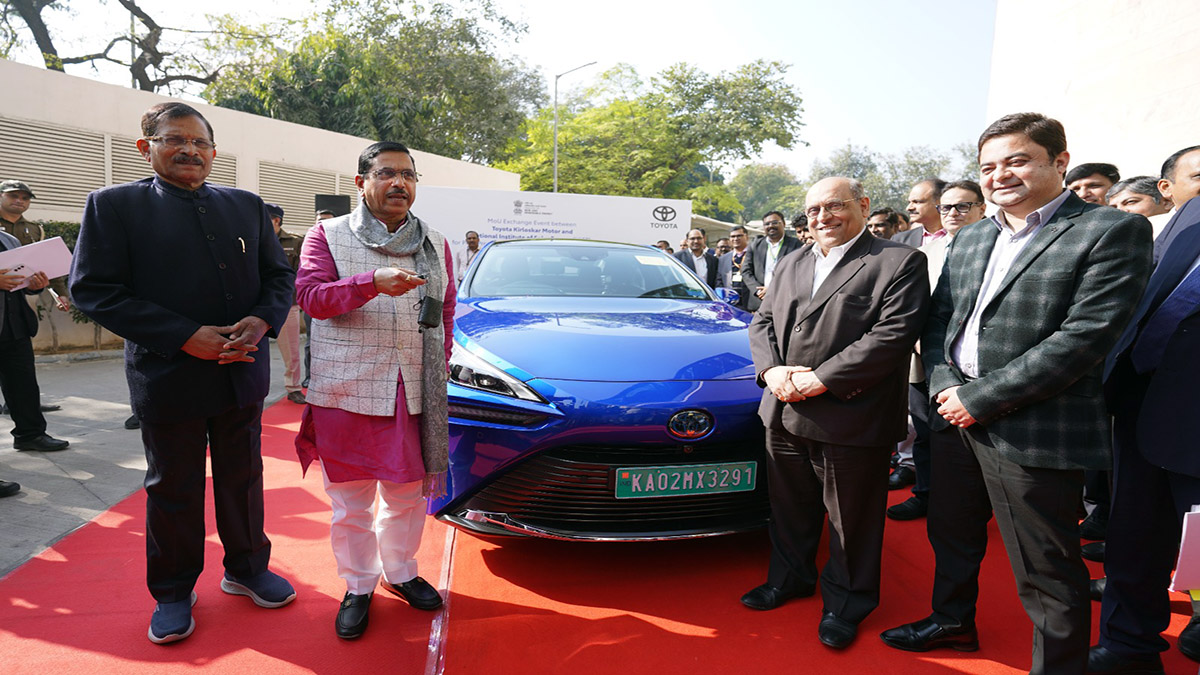
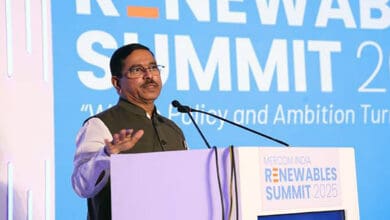
Union Minister of New and Renewable Energy, Pralhad Joshi hailed the achievement as a proud moment for every Indian, stating that in a world searching for climate solutions, India is leading the way. He attributed this milestone to the visionary leadership of Prime Minister Modi, whose policies continue to propel the nation’s green transformation, creating a path towards a self-reliant and sustainable future.
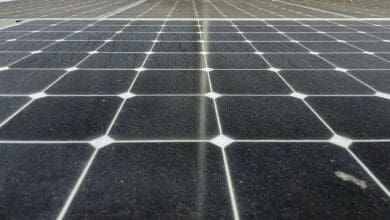
The success of India’s clean energy journey is deeply rooted in robust policy frameworks and bold execution. Flagship schemes such as the Pradhan Mantri Kisan Urja Suraksha evam Utthaan Mahabhiyan (PM-KUSUM), the PM Surya Ghar: Muft Bijli Yojana, large-scale solar park development, and the National Wind-Solar Hybrid Policy have played a crucial role in driving this transition. The bioenergy sector, previously seen as a minor contributor, has now emerged as a key player, benefiting rural livelihoods while generating clean energy.
PM-KUSUM has been a game-changer for the agricultural sector by providing lakhs of farmers with solar-powered pumps, ensuring sustainable and secure energy access for agriculture. The scheme has also promoted agrovoltaics and feeder-level solarisation. The PM Surya Ghar scheme, launched in 2024, has revolutionised rooftop solar adoption by making solar energy accessible to one crore households. This initiative has empowered citizens to become active participants in the energy system, fostering decentralised and democratic energy generation.
India’s renewable energy base has expanded rapidly with solar parks enabling large-scale installations at historically low tariffs. Wind energy continues to be a crucial component of India’s power mix, especially in states like Gujarat and Tamil Nadu where it effectively meets peak evening demand. Bioenergy has also gained momentum, supporting the circular economy and creating employment opportunities in rural areas.
This rapid transition to clean energy has not only reduced carbon emissions but has also delivered multiple socio-economic benefits. The shift has improved energy access, generated employment, reduced air pollution, enhanced public health, and boosted rural incomes. India’s clean energy movement is as much about social justice and inclusive growth as it is about environmental sustainability.
India’s success in reaching this milestone is particularly significant in the global context. With one of the lowest per capita emissions globally, India stands out among G20 nations for being on track to meet or even exceed its climate commitments under the Paris Agreement. The country has consistently championed climate equity and sustainable development at global forums like the G20 and the Conference of Parties (COP) to the United Nations Framework Convention on Climate Change (UNFCCC). This early achievement underscores India’s emerging global leadership in climate action, proving that rapid economic growth and environmental responsibility can go hand in hand.
Looking ahead, this achievement opens the door to even more ambitious goals. The next phase of India’s energy transition is expected to focus on improving the quality, equity, and resilience of clean energy access. Priorities include doubling per capita clean electricity consumption, particularly in rural and underserved regions, through the promotion of distributed renewable systems and energy-efficient appliances. Developing a modern, digitally integrated grid will be key to managing high renewable energy penetration and facilitating two-way power flows.
Investments in Battery Energy Storage Systems (BESS) and pumped hydro storage will be crucial in ensuring grid stability and round-the-clock power availability. At the same time, promoting circular practices in the lifecycle of solar panels, wind turbine blades, and batteries will help in maintaining environmental sustainability. India is also placing emphasis on green hydrogen as a future-ready fuel to further decarbonise industrial sectors.
Artificial Intelligence (AI) and digital technologies are poised to play a transformative role in India’s future energy systems. AI is expected to drive demand forecasting, predictive maintenance, and automated grid management, significantly enhancing system efficiency. Smart meters, rooftop solar installations, and electric vehicles will be integrated into intelligent energy marketplaces, enabling a new class of energy consumers known as ‘prosumers’ who both consume and produce electricity. However, the growing digitalisation of the energy sector also brings challenges. Cybersecurity will become an essential pillar of energy security, requiring proactive measures to protect critical infrastructure from cyber threats and data breaches.
India’s attainment of 50% non-fossil fuel installed capacity ahead of schedule is a powerful testament to its ambition, innovation, and commitment to sustainable development. It sends a clear message that development and decarbonisation are not mutually exclusive but can complement each other. As India moves forward towards its goals of 500 GW of non-fossil capacity by 2030 and net-zero emissions by 2070, it aims to lead the world in building an inclusive, technology-driven, and sustainable energy future.
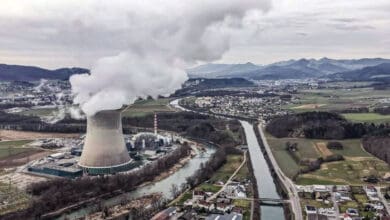
According to the latest figures as of June 30, 2025, India’s total installed electricity capacity stands at 484.82 GW. Of this, thermal sources account for 242.04 GW or 49.92%, nuclear energy contributes 8.78 GW or 1.81%, and the combined contribution of renewable energy and large hydro is 234 GW or 48.27%. When large hydro and nuclear energy are counted as non-fossil sources along with renewables, India’s non-fossil capacity surpasses the 50% mark at 242.78 GW, representing 50.08% of the total capacity.