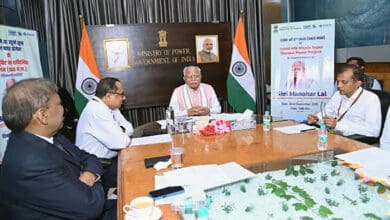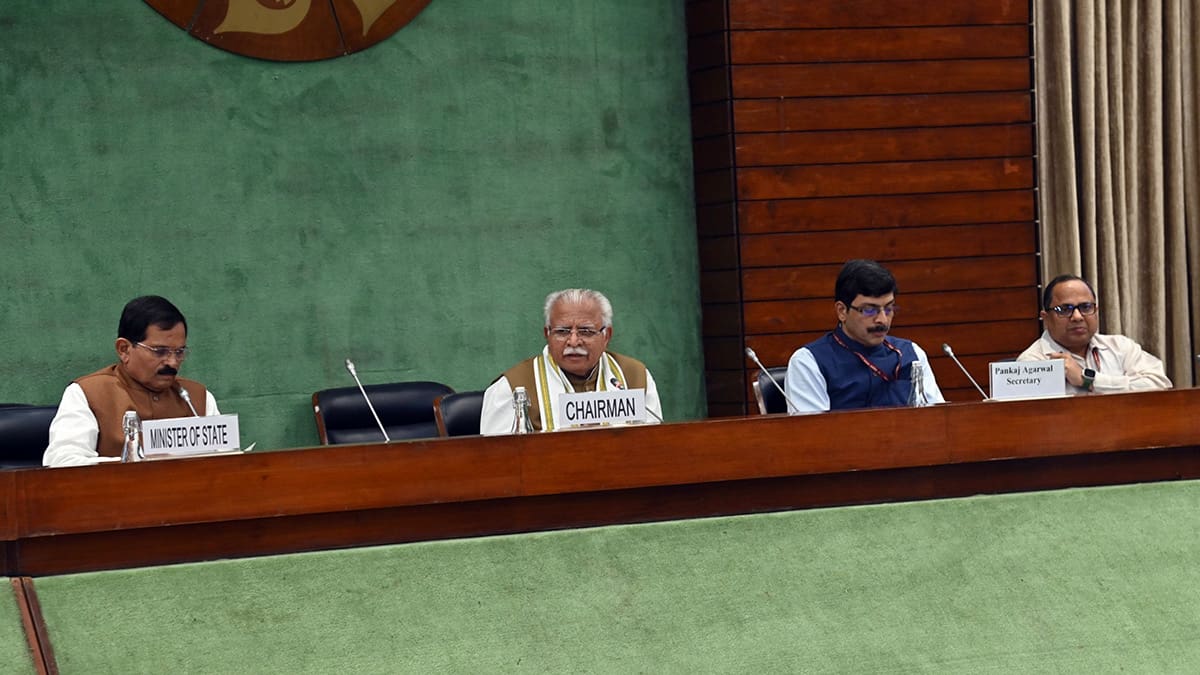

In a major step towards strengthening India’s energy infrastructure and integrating more renewable energy (RE) into the national grid, Minister of Power and Housing Affairs, Manohar Lal chaired a high-level meeting of the Consultative Committee of Members of Parliament for the Ministry of Power on August 4, 2025. The meeting was focused on Grid-Scale Energy Storage Systems and was attended by Minister of State for Power and New & Renewable Energy, Shripad Yesso Naik, Members of Parliament, senior officials from the Ministry, CPSUs and experts from the Central Electricity Authority (CEA).
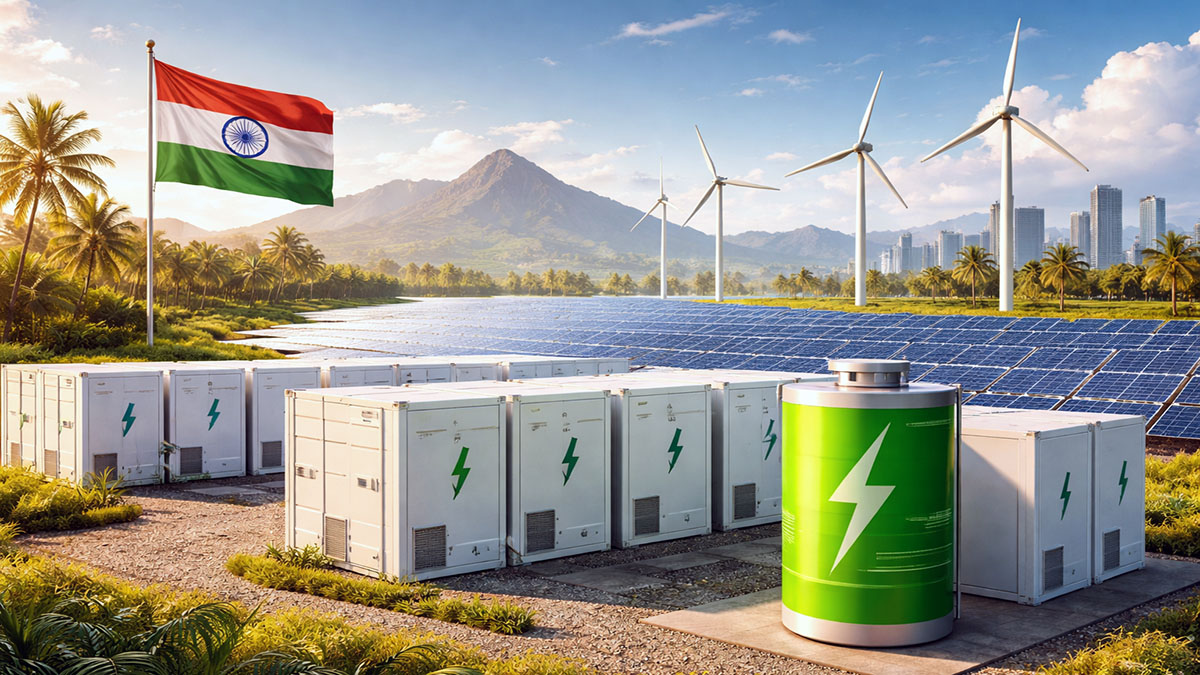
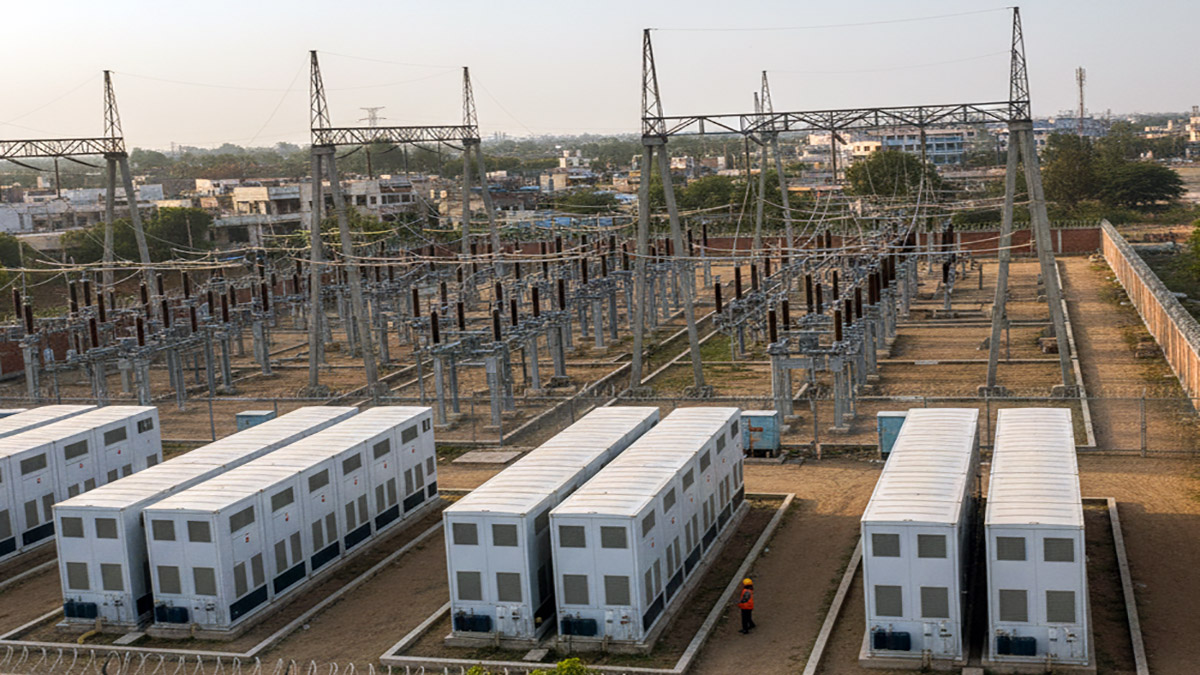
The consultative meeting delved into India’s roadmap for energy storage systems (ESS), particularly emphasizing Battery Energy Storage Systems (BESS) and Pumped Storage Plants (PSPs), both seen as key enablers for grid stability and renewable integration.
In a significant policy announcement, the Ministry of Power revealed that Inter-State Transmission System (ISTS) charges will be fully waived for co-located BESS projects commissioned by June 2028, as well as for PSP projects with construction awarded by the same deadline. This waiver is expected to drive private and public investment in large-scale energy storage infrastructure.
Manohar Lal emphasised India’s commitment to reducing the emissions intensity of its GDP by 45% by 2030 and achieving 50% cumulative installed capacity from non-fossil fuel sources. He stressed that renewable energy must be backed by robust storage solutions to ensure power reliability and grid resilience.
Highlighting a landmark initiative, the Minister informed that 43 GWh of Battery Energy Storage Systems will be supported under the Viability Gap Funding (VGF) Scheme, with a financial outlay of ₹9,160 crore. The scheme is part of one of the world’s largest BESS programs and is designed to improve peak shifting, grid reliability and resource adequacy.
India currently has an installed PSP capacity of approximately 6.4 GW, with another 8 GW under construction and 61 GW in various stages of development. The country’s total PSP potential stands at over 200 GW. To fast-track approvals and execution, the CEA has also set up a Single Window Clearance Cell for PSP projects, aiming to eliminate bureaucratic delays.
Members of the Consultative Committee lauded the government’s push for clean energy and praised the VGF scheme, especially for enabling reliable power supply and optimizing the use of surplus renewable energy. The role of smart meters in reducing losses and improving consumer services was also acknowledged.
The Minister welcomed the suggestions from MPs and directed ministry officials to incorporate them in future planning. He reiterated the importance of ensuring a stable, high-quality, and affordable power supply for all citizens.
In his concluding remarks, Minister of State, Shripad Yesso Naik highlighted India’s early achievement of 50% installed electricity capacity from non-fossil fuel sources, a full five years ahead of the 2030 target. He credited this milestone to India’s strong leadership under Prime Minister Narendra Modi.
He noted that while solar and wind energy have led this transformation, the future of a reliable and flexible energy system lies in the widespread adoption of Energy Storage Systems across the energy value chain including transmission, distribution, ancillary services, and electric vehicle (EV) integration.