
India has achieved a major milestone in its clean-energy transition, with non-fossil fuel sources now accounting for a larger share of the nation’s installed power generation capacity than fossil fuels. According to data released by the Ministry of Power as of 31 October 2025, the country’s total installed capacity has reached 5,05,023 MW. Of this, 2,59,423 MW (51.37%) comes from non-fossil fuel sources, while 2,45,600 MW (48.6%) is derived from fossil-fuel-based plants.
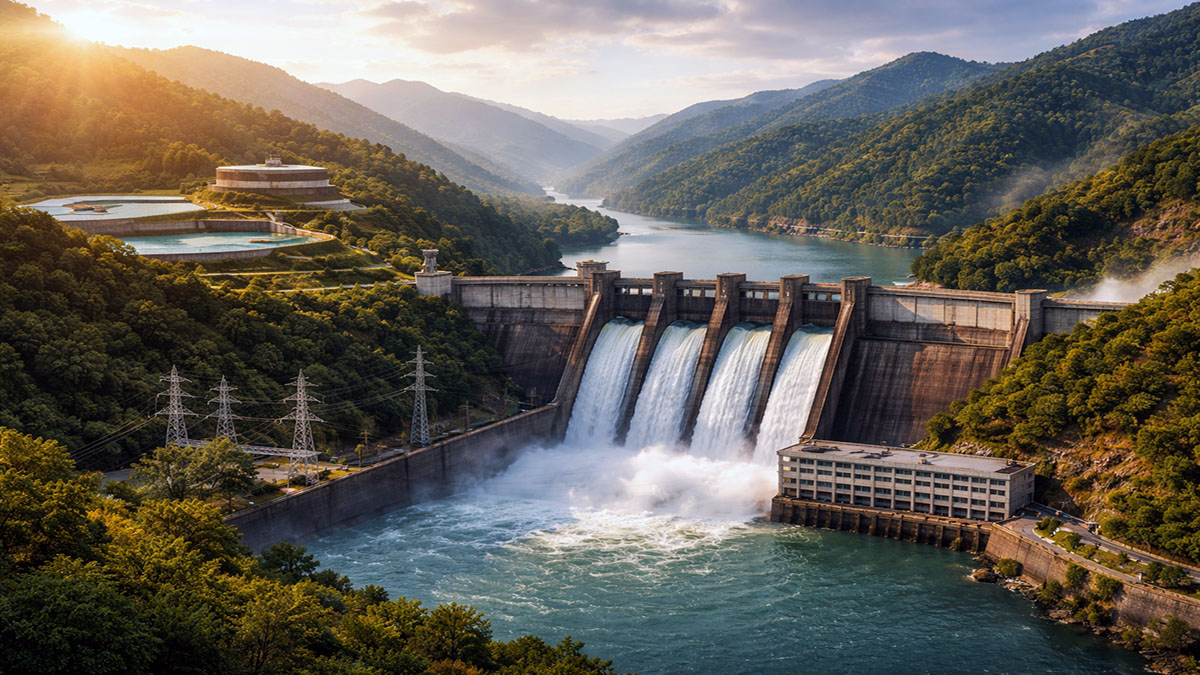
Renewable energy continues to dominate India’s non-fossil capacity expansion. The country now hosts 2,50,643 MW of renewable energy installations, including 1,29,924 MW of solar, 53,600 MW of wind, 10,757 MW of biomass/cogeneration, 856 MW of waste-to-energy, and 5,159 MW of small hydro projects. Large hydroelectric projects, including pumped storage, contribute another 50,348 MW, while nuclear power accounts for 8,780 MW, or 1.74% of total capacity.
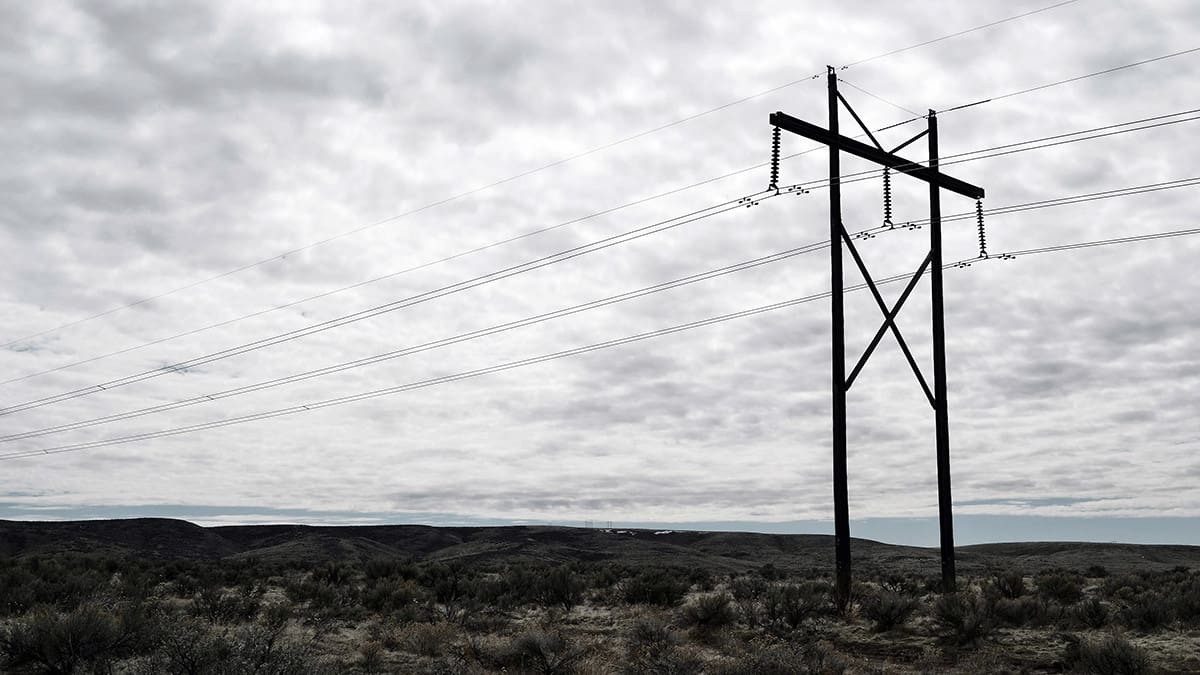
The government attributes this growth to a series of policy interventions and infrastructure initiatives over recent years. These include waivers on Inter-State Transmission System (ISTS) charges for renewable power, annual bidding trajectories of 50 GW for renewable procurement, and 100% FDI under the automatic route. Transmission expansion under the Green Energy Corridor and a long-term transmission plan through 2032 have also enabled large-scale renewable integration.
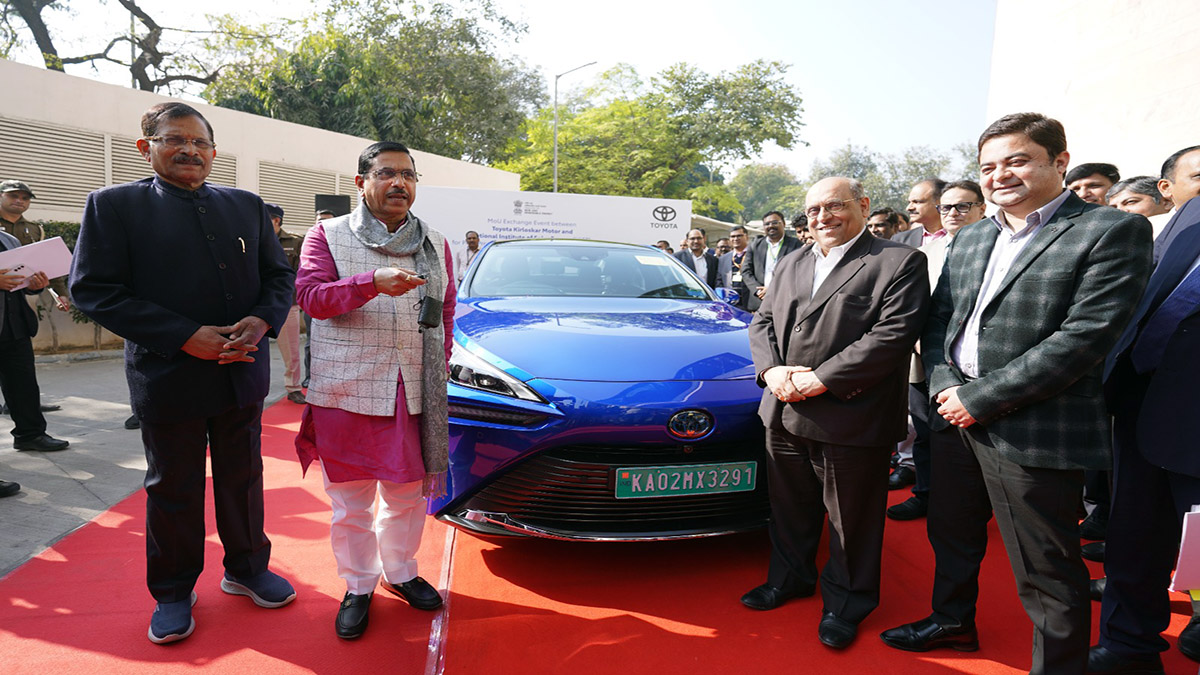
A range of flagship schemes such as PM-KUSUM, the PM Surya Ghar Muft Bijli Yojana, the National Green Hydrogen Mission, and incentives under the Production Linked Incentive (PLI) programme for high-efficiency solar modules have further accelerated capacity addition. The government recently announced that India achieved 50 percent of its installed electricity capacity from non-fossil fuel sources in June 2025, surpassing its Nationally Determined Contribution (NDC) target more than five years ahead of schedule.
As India charts its path toward net-zero emissions by 2070, nuclear power has emerged as a strategic pillar for long-term energy security. A dedicated ₹20,000 crore Nuclear Energy Mission aims to develop at least five indigenous Small Modular Reactors (SMRs) by 2033. Reforms to nuclear legislation are underway to facilitate private sector participation, while the development of Bharat Small Reactors and new uranium discoveries are expected to strengthen the sector’s fuel security.
To support the rapid rise of renewable energy, the government is accelerating storage solutions. Battery Energy Storage Systems (BESS) of 13.22 GWh are under implementation through a viability-gap funding scheme, with an additional 30 GWh approved in June 2025. Pumped Storage Projects totalling 11,870 MW are under construction to bolster grid stability.
Offshore wind energy is another emerging frontier, with viability-gap funding approved for the initial development of 1 GW of capacity. Meanwhile, India’s Green Hydrogen Mission targeting 5 MMT per annum of green hydrogen capacity and 125 GW of associated renewable energy by 2030 is expected to play a transformative role in industrial decarbonization.