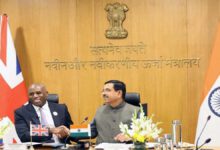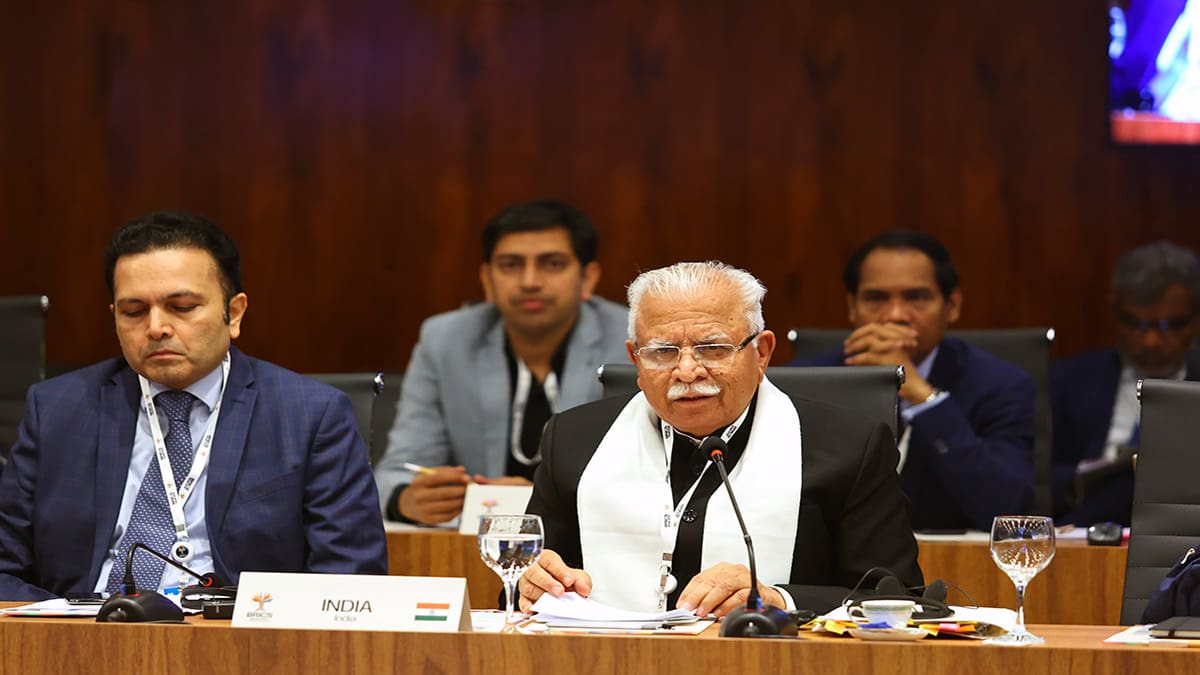

India took a leading role in advocating for inclusive and sustainable energy governance during the BRICS Energy Ministers’ Meeting held in Brasília under Brazil’s presidency. The Indian delegation was led by Union Minister for Power and Housing and Urban Affairs, Manohar Lal, who emphasised energy security as a central global challenge and called for enhanced cooperation among BRICS nations to ensure economic stability, sustainability, and equitable access to energy resources.
Speaking at the meeting, Manohar Lal underscored India’s commitment to building a sustainable and inclusive energy future. He praised Brazil’s leadership under the theme “Strengthening Global South Cooperation for More Inclusive and Sustainable Governance” and stressed the vital role that energy security, affordability, and access play in advancing global development objectives.
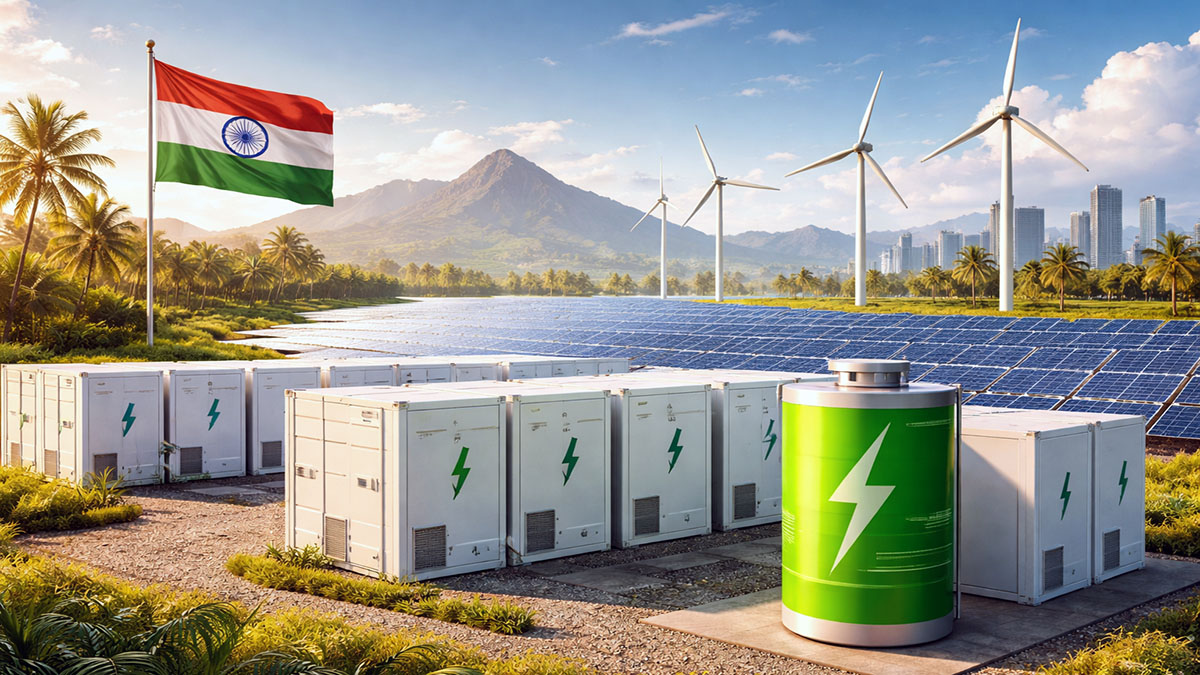
Highlighting India’s rapid strides in the clean energy space, the Union Minister noted that the country’s electricity capacity has increased by 90% over the past decade, reaching 475 GW in 2025, with a target of 900 GW by 2032. India has emerged as the world’s third-largest producer of solar and wind energy and is well on track to meet its Nationally Determined Contributions (NDCs). Additionally, India recently achieved a 20% ethanol blending milestone, a significant step toward expanding biofuel uses and reducing emissions.
Manohar Lal also highlighted India’s investments in modern energy infrastructure, including smart grids, advanced metering systems, and the Green Energy Corridor. He outlined India’s ambitious goals in green hydrogen and nuclear energy, with a target of achieving 100 GW of nuclear capacity by 2047. The minister also introduced India’s domestic Carbon Credit Market and extended an invitation for global collaboration.
Further, he emphasised India’s leadership in energy efficiency through programs such as the Energy Conservation Sustainable Buildings Code, rooftop solar initiatives, and stringent appliance standards. Stressing the importance of the Global Biofuels Alliance, he reiterated India’s commitment to advancing cooperation in the biofuels sector.
Recognising the continuing significance of fossil fuels, particularly for developing nations. Manohar Lal called for deeper international cooperation to promote their cleaner and more efficient use through technologies such as coal gasification, carbon capture and storage, and green chemical innovations.
In closing, the minister extended an invitation to BRICS member states to attend the next BRICS Energy Gathering in India in 2026, affirming India’s continued leadership in shaping the energy agenda for the Global South.
The ministerial meeting concluded with the adoption of a joint communiqué in which the BRICS Energy Ministers reaffirmed their dedication to enhancing energy security and achieving United Nations Sustainable Development Goal 7. They underscored the importance of ensuring universal electricity access, promoting clean cooking solutions, and addressing energy poverty while pursuing just, inclusive, and balanced energy transitions in response to climate change.
The communiqué recognised the ongoing role of fossil fuels, especially in the developing world, while stressing the need to reduce greenhouse gas emissions in line with SDG 7 and global climate targets. It endorsed the principles of technological neutrality and the principle of common but differentiated responsibilities and respective capabilities (CBDR-RC).
The ministers called for strengthened partnerships and supported fair, open, and non-discriminatory global energy markets. They encouraged the use of local currencies in energy trade and acknowledged the role of the BRICS Energy Research Cooperation Platform. They welcomed the updated BRICS Roadmap for Energy Cooperation (2025–2030) as a cornerstone for deeper collaboration.
They affirmed the sovereign right of each country to determine its own energy transition strategy and urged for increased concessional and low-cost financing from developed to developing nations. The role of the New Development Bank (NDB) in supporting sustainable energy infrastructure, particularly through local currency financing, was also emphasised.
Advocating for fair and consistent global guidelines for carbon intensity assessment and energy classification, the ministers called for mutual recognition of certifications and taxonomies. They stressed the importance of energy security for socio-economic development and highlighted the need for market stability, resilient infrastructure, energy source diversification, and critical mineral access to support clean energy technologies.
The ministers reaffirmed their shared goal to double energy efficiency by 2030 and committed to deeper cooperation and knowledge-sharing among BRICS members. As the meeting concluded, the leaders voiced their intention to elevate BRICS’ influence in global energy discussions and reaffirmed their shared priorities for the upcoming Indian Chairship in 2026.