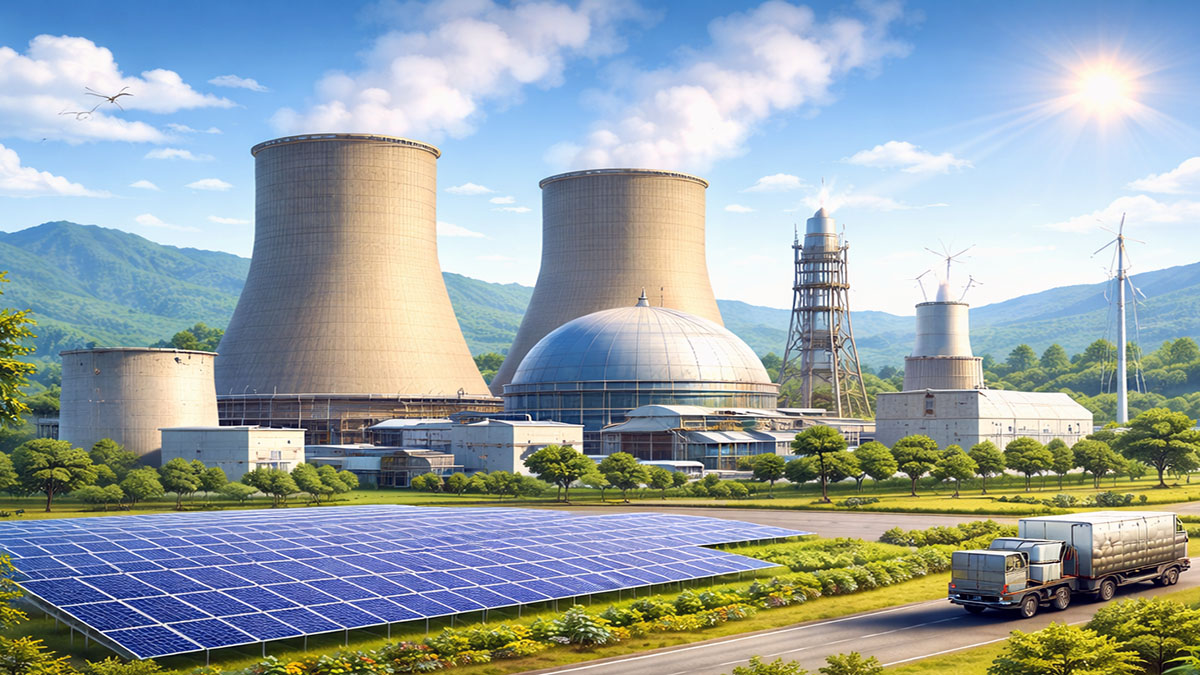
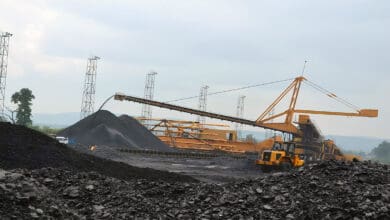
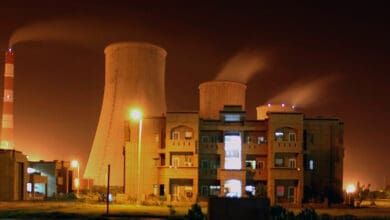
India has outlined a comprehensive financial, operational and regulatory framework to support the development and deployment of Small Modular Reactors (SMRs), marking a significant step toward decarbonising its power sector and expanding domestic nuclear capabilities. According to details released by the Department of Atomic Energy (DAE) and its constituent unit, the Bhabha Atomic Research Centre (BARC), are progressing with two light-water pressured reactor designs: the 200 MWe Bharat Small Modular Reactor (BSMR-200) and the 55 MWe SMR-55. These reactors are intended for repurposing retiring fossil-fuel power stations, powering energy-intensive industries such as steel and cement, and supplying electricity to remote, off-grid regions.
BARC is also advancing work on a 5 MWth high-temperature gas-cooled reactor to support hydrogen production, an application that requires extreme operating temperatures. Development in this area hinges on research into advanced high-temperature materials and reactor engineering.
India’s nuclear manufacturing ecosystem, built around the long-established Pressurised Heavy Water Reactor (PHWR) fleet, is expected to play a central role in SMR production. Many of the critical components required for SMRs, ranging from reactor pressure vessels and special grades of steel to control rod drive mechanisms and electronics are already within the capabilities of domestic industry. Officials say that technical support from BARC will help private manufacturers scale up quickly, ensuring that the entire supply chain aligns with the ‘Make in India’ initiative. Private sector participation is expected mainly through engineering, procurement and construction contracts, helping establish a fully domestic ecosystem for SMR construction.
The government anticipates that technological gains made during this process will position Indian companies for international collaboration as more countries explore SMRs for clean-energy expansion. For heavy industries, one of the most significant incentives could be partial ownership within the boundaries of the Atomic Energy Act and assured access to green electricity generated by SMRs. Such access could help industries avoid looming carbon taxes on exported goods.
Regulatory oversight for SMRs will remain under the Atomic Energy Regulatory Board (AERB), which has reviewed its safety framework and found that existing guidelines for nuclear power plants are largely applicable to advanced reactors as well. Technology-specific evaluation will occur once detailed site and design proposals are submitted. The AERB continues to engage with international regulatory bodies to remain current on global SMR standards, and its established approach to nuclear security will extend to SMR facilities.
Public outreach remains a critical pillar of regulatory practice. The AERB conducts awareness programmes around nuclear sites, issues regular publications and maintains an accessible information platform to address concerns about nuclear and radiation safety. Its waste-management philosophy, already applied to India’s operating reactors, will also govern SMRs. No waste is released into the environment without regulatory clearance. Low and intermediate waste will continue to be treated and immobilised at plant sites before being stored in engineered repositories. For spent fuel, technologies such as vitrification in glass matrices will remain standard, though reprocessing methods may require adaptation for SMR-specific fuel configurations.
Transport of radioactive materials will continue to follow existing AERB guidelines. As SMRs remain in the design phase, only two domestic engineering firms Engineers India Limited and Bharat Heavy Electricals Limited, have so far been approached for detailed engineering work on the BSMR-200. Nuclear Power Corporation of India Limited is closely collaborating with BARC on the reactor’s detailed project report.
On the deployment side, the NTPC Group has begun identifying potential project sites in partnership with state governments. Two memoranda of understanding have been signed this year: one with the Government of Madhya Pradesh in February and another with the Government of Chhattisgarh in March. Project capacities will be finalised based on water availability and subject to central government approval.