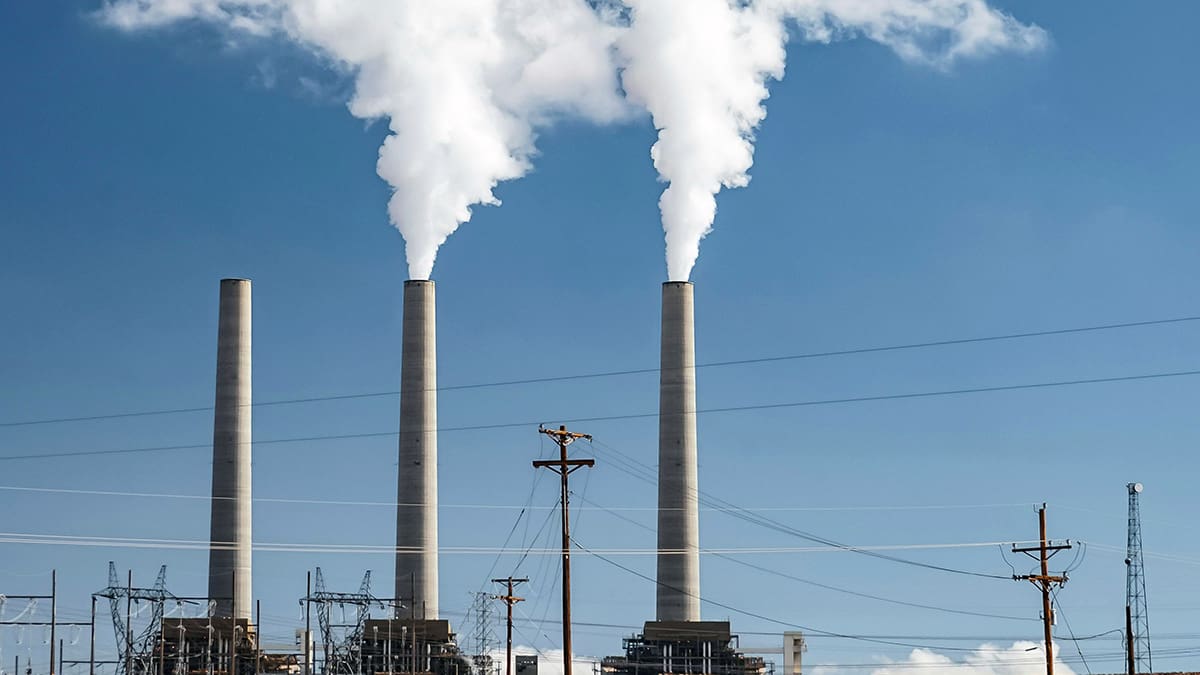

The Government of India has outlined a series of measures aimed at reducing carbon emissions and mitigating the environmental impact of coal-based thermal power generation. Ministry of Power reported significant progress in expanding the use of advanced, high-efficiency technologies across the thermal sector. Supercritical and ultra-supercritical power units known for producing more electricity per unit of coal while reducing carbon dioxide emissions continue to be central to this transition. As of October 31, 2025, the country has commissioned 101 supercritical units with a combined capacity of 70,190 MW, along with 11 ultra-supercritical units totalling 7,680 MW.
Energy efficiency improvements remain another major focus area. Under the Perform, Achieve and Trade (PAT) scheme, thermal power plants are adopting energy-saving practices that directly lower carbon dioxide output. The Ministry of Power has also introduced a comprehensive policy, issued on November 7, 2025, to enable coal plants to co-fire biomass pellets and torrefied charcoal produced from municipal solid waste. After technical assessments, plants will incorporate a 5–7% biomass blend alongside conventional coal, helping cut fossil fuel dependence and emissions.
To curb stack emissions further, the Ministry of Environment, Forest and Climate Change has enforced updated norms originally notified on December 7, 2015, and amended subsequently to reduce suspended particulate matter, sulphur oxides and nitrogen oxides released from thermal plants. Facilities nationwide are deploying technologies such as electrostatic precipitators, flue gas desulphurization systems and NOx combustion modification techniques to comply with the stringent standards.
In an additional step toward decarbonization, NTPC has commissioned a pilot carbon capture project with a capacity of 20 tonnes per day at its Vindhyachal Thermal Power Station, marking a key milestone in India’s exploration of carbon capture and storage solutions.
The latest data on the country’s energy mix shows that fossil fuels continue to play a dominant role in power generation. As of October 31, 2025, coal accounts for 2,18,258 MW, representing 43.22% of total installed capacity. Lignite contributes 6,620 MW or 1.31%, while gas-based installations provide 20,132 MW or 3.99%. Diesel-based capacity stands at 589 MW, comprising 0.12%. Collectively, fossil fuel sources amount to 2,45,600 MW, making up 48.63% of India’s total installed power generation capacity.