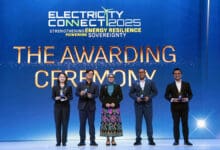

Huawei has launched its Global Digitalisation and Intelligence Index (GDII) Report for the Power Industry, a new framework designed to guide global power companies through their digital transformation journey. The announcement was made at the Huawei Global Electric Power Summit, held during HUAWEI CONNECT 2025.
The GDII report provides quantitative evaluation tools and strategic direction for building next-generation power systems that can meet growing demands for stability, sustainability, and efficiency.
In his keynote, Jo Cops, Chairman of the International Electrotechnical Commission (IEC), highlighted the importance of real-time operational monitoring, noting that the rapid adoption of photovoltaic (PV) systems, electric vehicle charging stations and microgrids has made low-voltage grid stability a pressing challenge.
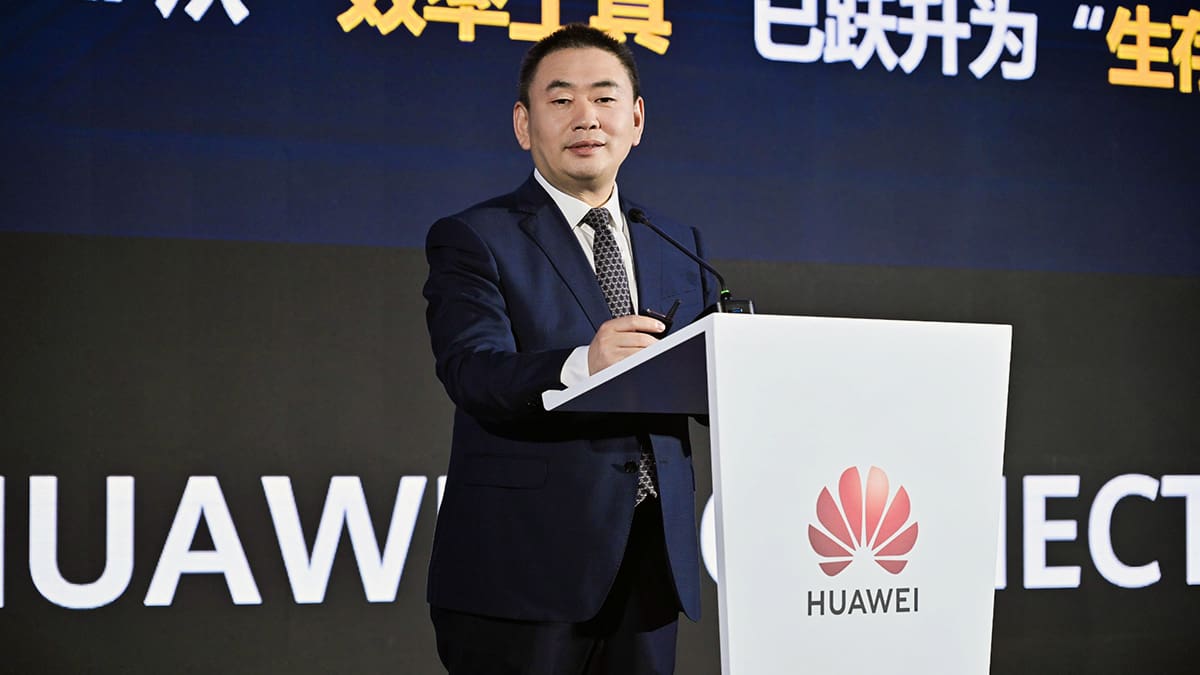
David Sun, CEO of Huawei’s Electric Power Digitalisation Business Unit, stressed that artificial intelligence is no longer just a tool for efficiency but an essential survival technology in the evolving power landscape. “Digital and intelligent enablement is vital to addressing the uncertainties of the future power system,” he said.
Huawei outlined a comprehensive multi-layered technical system based on “scenario applications + cloud-pipe-edge-device synergy.” This framework is designed to cover the entire energy chain from generation and transmission to distribution and consumption, enabling utilities to accelerate digital transformation and sustainable development.
A highlight of the event was the joint release of the 2025 Global Electric Power Showcase by Huawei and State Grid Shaanxi. The collaboration achieved breakthroughs in low-voltage 400V transformer district transparency, delivering real-time perception, centralised regulation and rapid response for managing distributed new energy sources.
Industry leaders also shared their digitalisation journeys. Charles Tlouane, COO of City Power (South Africa), and Simon Dezsö, Deputy CEO of Hungary’s MAVIR, discussed the challenges their utilities face and the tangible benefits of adopting digital solutions.
Looking ahead, Huawei said it will continue to embed intelligence into core power production scenarios, aiming to help global power companies achieve smarter, greener and more resilient energy systems.