
In response to a steady surge in electricity demand across the country, the Government of India has outlined a comprehensive, long-term strategy aimed at ensuring generation capacity consistently outpaces peak power requirements. India’s peak demand has risen each year over the past five years, climbing from 1,90,198 MW in 2020–21 to 2,49,856 MW in 2024–25. Despite this sustained rise, the difference between demand and supply has narrowed significantly due to extensive capacity additions across the power sector. The gap that once stood at 8,657 MW in 2022–23 dropped to just 2 MW in 2024–25, reflecting the country’s improved ability to meet record-high power needs.
As per the National Electricity Plan (NEP), the country’s installed generation capacity is projected to reach 874 GW by 2031–32, covering coal, lignite, solar, wind, and hydro sources. To maintain a surplus over projected peak demand, all states, in coordination with the Central Electricity Authority (CEA), have developed dynamic 10-year Resource Adequacy Plans. These blueprints guide states in securing future electricity resources through new capacity creation and power procurement. States have already been advised to begin contracting new generation capacities across all available sources to keep pace with the national trajectory.
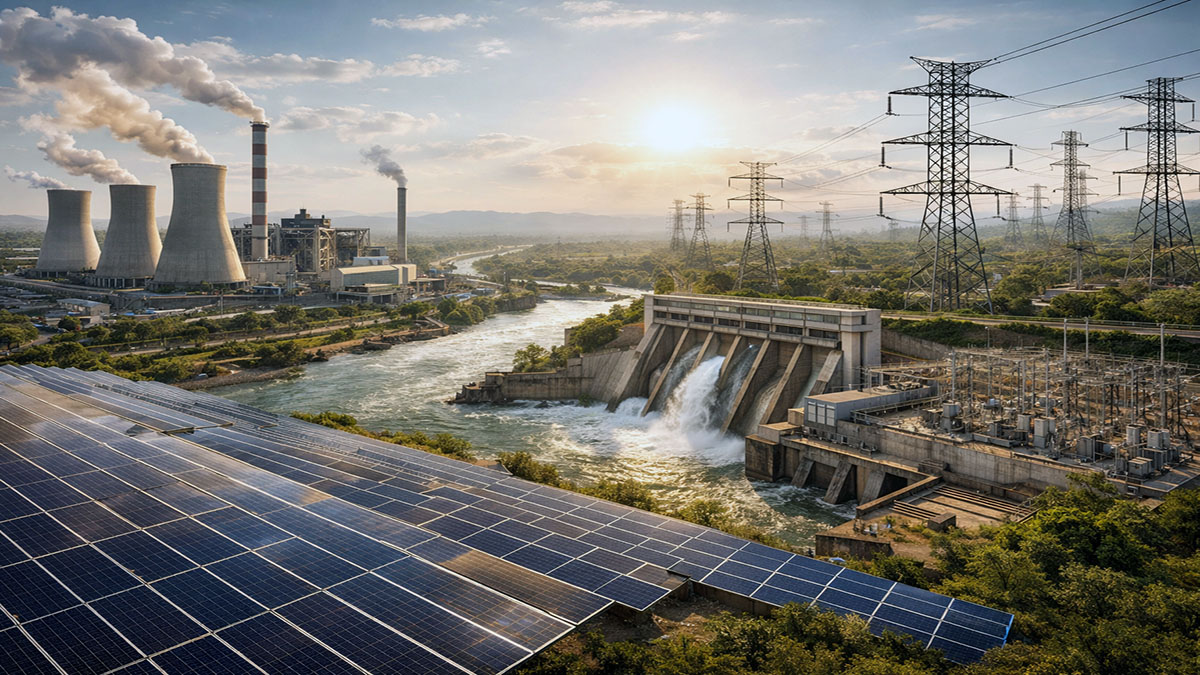
A major pillar of the strategy involves large-scale thermal capacity expansion. The projected requirement for thermal power by 2034–35 stands at approximately 3,07,000 MW, compared to the installed capacity of 2,11,855 MW recorded in March 2023. To close this gap, the Power Ministry plans to add at least 97,000 MW of new coal and lignite-based installations. Since April 2023, around 16,560 MW of thermal projects have already been commissioned. Another 40,345 MW is currently under construction, including 4,845 MW from stressed assets being revived. Contracts have been awarded for an additional 22,920 MW, and 24,020 MW of candidate projects are progressing through planning stages.
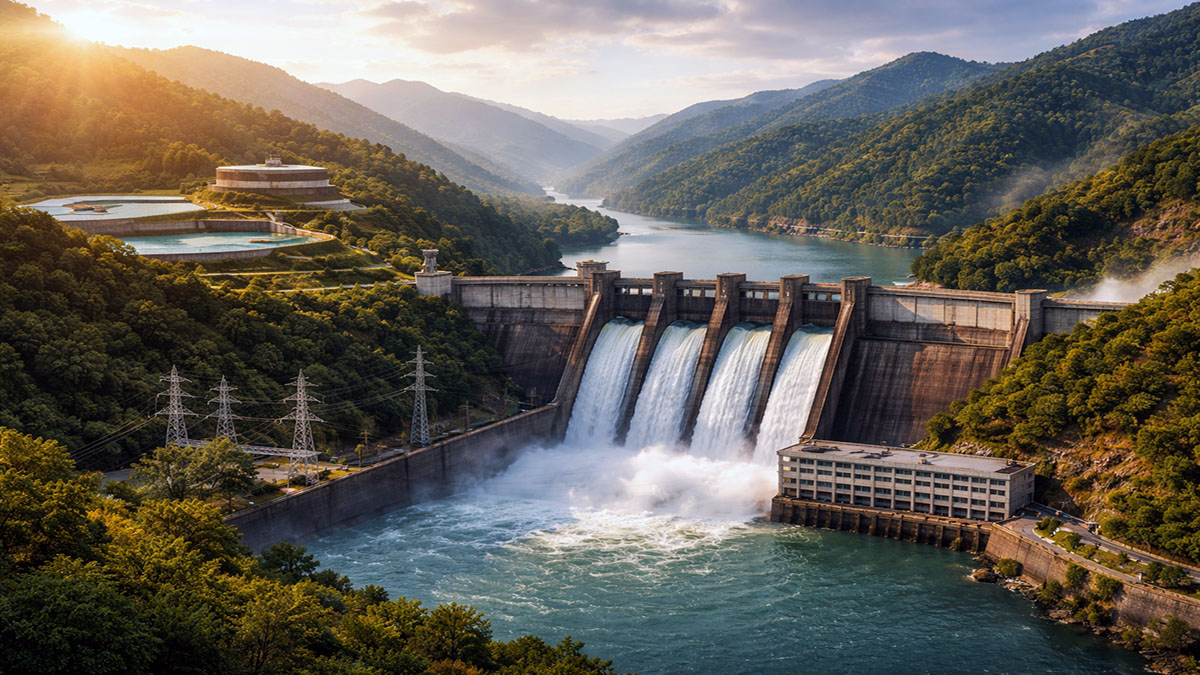
Hydropower expansion continues alongside thermal additions, with 13,223.5 MW of hydropower capacity under construction and a further 4,274 MW in planning, all slated for completion by 2031–32. In the nuclear segment, 6,600 MW of capacity is expected to be ready by 2029–30, while another 7,000 MW remains under various stages of approval and planning. Renewable energy development is advancing at an unprecedented scale, with 1,56,900 MW currently under construction, including 69,180 MW of solar, 29,650 MW of wind and 57,630 MW of hybrid projects. An additional 51,420 MW of renewable capacity, primarily solar and hybrid installations, is undergoing planning and is targeted for completion by 2029–30.
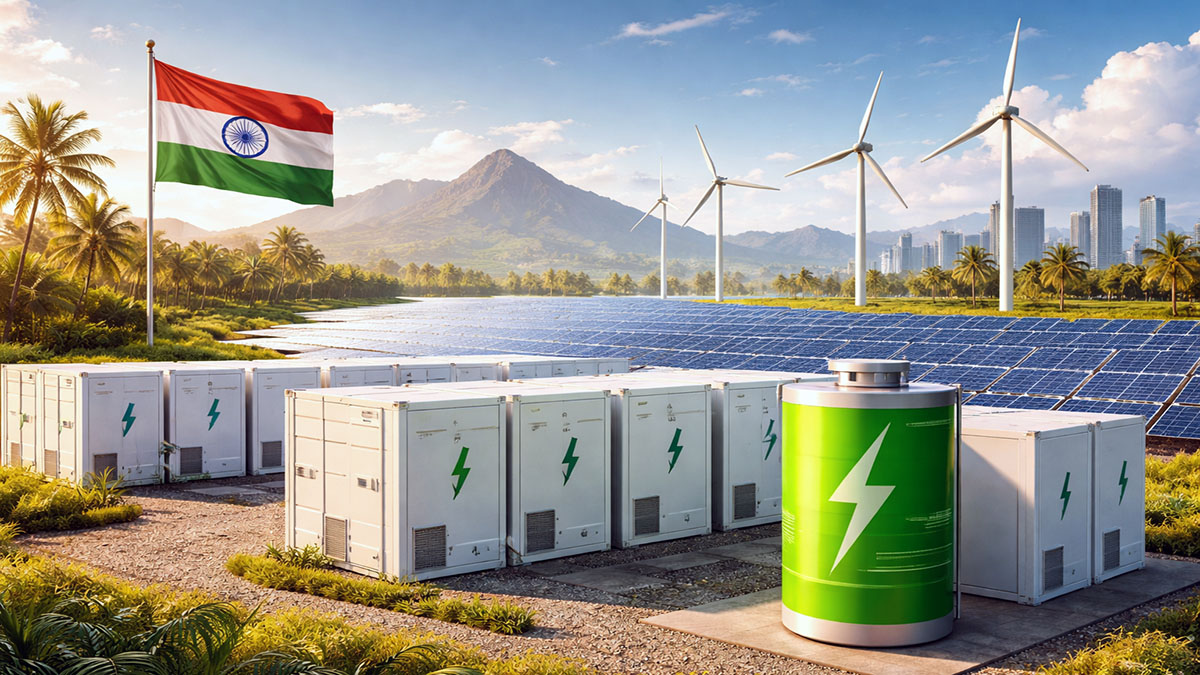
Energy storage development forms another critical component of the national roadmap. A total of 11,870 MW of pumped storage capacity, equivalent to 71,220 MWh of energy storage, is under construction. Projects totalling 6,580 MW, or 39,480 MWh, have been approved and are awaiting construction, while 25,407.54 MW of battery energy storage systems are at various stages of bidding and development. These systems are positioned to enable better grid stability, support renewable integration and facilitate India’s long-term energy transition.
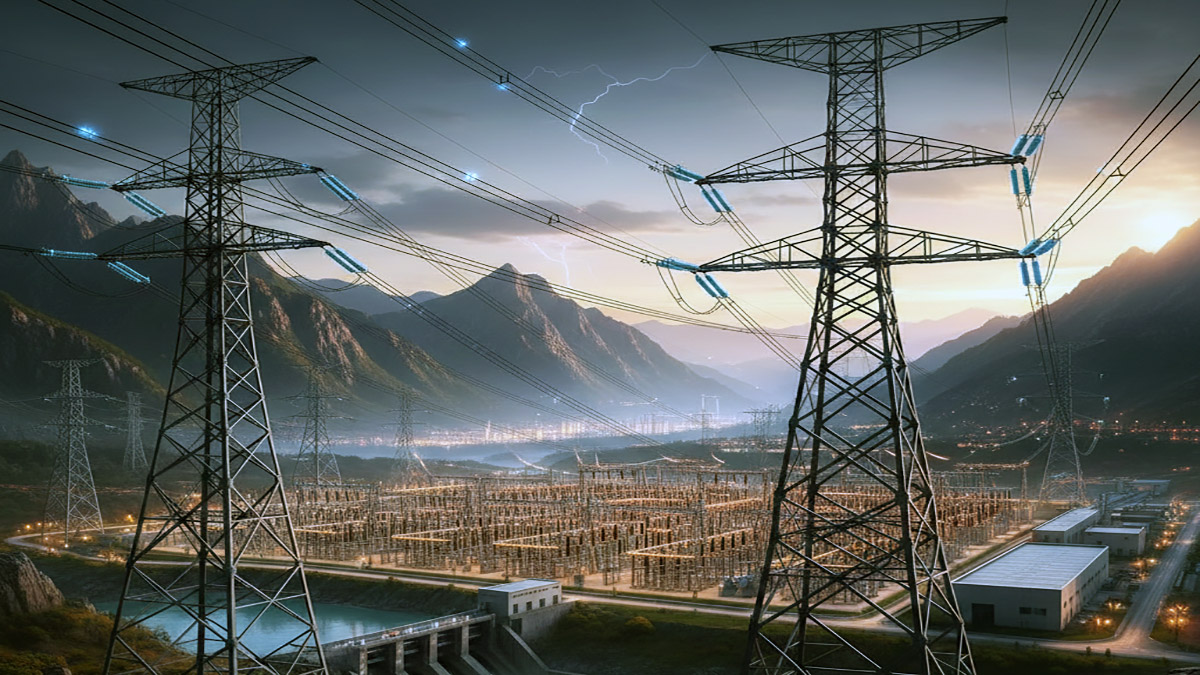
On the transmission front, significant upgrades are being executed to match the pace of generation growth. Under the NEP, about 1,91,474 kilometres of additional transmission lines and 1,274 GVA of new transformation capacity at 220 kV and above are planned for installation between 2022–23 and 2031–32. This expansion will ensure seamless evacuation of power from upcoming plants and support the country’s growing renewable energy footprint.
To strengthen the renewable sector further, the government has rolled out a series of supportive measures. These include waivers of Inter-State Transmission System charges for solar and wind projects commissioned by June 2025, similar concessions for green hydrogen projects until 2030, and for offshore wind projects through 2032. Standard bidding guidelines for grid-connected renewable power procurement have been issued, while Renewable Energy Implementing Agencies are actively inviting bids. India continues to encourage foreign investment in renewables, permitting 100% FDI under the automatic route. Transmission corridors for renewable-rich regions are being expanded under the Green Energy Corridor Scheme, and land plus transmission access is being enabled through the Solar Parks and Ultra Mega Solar Power Projects initiative.
A series of flagship schemes such as PM-KUSUM, the PM Surya Ghar Muft Bijli Yojana, the National Programme on High Efficiency Solar PV Modules, and targeted solar schemes for tribal and Particularly Vulnerable Tribal Group habitations are accelerating renewable adoption at the grassroots. The government has also laid out Renewable Consumption Obligation trajectories through 2029–30, with penalties for non-compliance, introduced a national strategy for offshore wind, launched the Green Term Ahead Market on power exchanges and implemented a Production-Linked Incentive scheme to localise solar module manufacturing.
While large-scale generation and transmission upgrades move forward, the Government of India is simultaneously transforming the distribution sector through an accelerated nationwide rollout of smart prepaid meters. Of the 20.33 crore smart meters approved under the Revamped Distribution Sector Scheme (RDSS), 97% are to be prepaid. So far, 4.93 crore smart meters have been installed nationwide, with 1.6 crore operating in prepaid mode. Under RDSS alone, 19.79 crore consumer meters in prepaid mode, along with meters for 2.11 lakh feeders and 52.53 lakh distribution transformers, have been sanctioned. Of these, 3.58 crore have already been installed, while additional installations are being carried out under state-level schemes.
Smart prepaid metering marks a fundamental shift from traditional post-paid billing, offering consumers the flexibility of small-value recharges, emergency credit to prevent sudden disconnection and real-time consumption tracking through mobile applications. For distribution companies, these meters significantly improve billing and collection efficiency, reduce losses, enable advanced energy accounting and facilitate data-driven demand forecasting. Over time, these benefits are expected to translate into better service quality and lower costs for consumers.
The rollout faced early challenges due to limited consumer awareness, prompting the government to issue detailed advisories and standard operating procedures. These measures include enabling bill rebates for consumers opting for prepaid meters, ensuring no penalties based on maximum demand readings from the new devices, providing structured instalment options for recovering past dues and installing check meters to address concerns around accuracy. Consumers now receive automated alerts for low balance and emergency credit availability, and smart meter apps are being promoted to enhance transparency and ease of use.