
As India forges ahead with its target of achieving 500 GW of renewable energy (RE) capacity by 2030, the Electric Power Transmission Association (EPTA), the apex body representing the interests of transmission companies, has urged the government to adopt a more flexible and pragmatic approach to the impending phase-out of the Inter-State Transmission System (ISTS) waiver.
The ISTS waiver, first introduced in 2016 to incentivise renewable energy projects, has been a cornerstone of India’s clean energy transition by allowing green power developers to transmit electricity across state lines without incurring transmission charges. The waiver is currently scheduled to be phased out in stages beginning July 1, 2025, at a steep rate of 25% per year.
However, EPTA has warned that this aggressive timeline could severely impact ongoing projects, particularly those nearing completion but delayed by external factors such as land acquisition hurdles, supply chain disruptions, or regulatory bottlenecks. In response, the association has proposed a milestone-based eligibility framework to allow such projects to continue availing the benefits of the waiver.
“We are not seeking a blanket extension,” said GP Upadhyaya, Director General of EPTA. “We are only proposing that the projects which have achieved key development milestones such as financial closure, securing at least 50% of the required land, and placing orders for major equipment be given an additional 6 to 9 months to complete construction and still benefit from the ISTS waiver.”
EPTA believes this targeted relief would prevent large-scale disruption and offer a lifeline to investors, especially in the commercial and industrial (C&I) segment, where consumers already bear some of the world’s highest electricity tariffs.
The association also suggested an alternative path: a more gradual phase-out of the ISTS waiver at 10% annually instead of the proposed 25%. This calibrated approach, EPTA argues, would ease the financial burden on RE developers and keep green power cost-competitive, thereby sustaining investor interest and momentum in the sector.
The industry’s request mirrors the recent milestone-based waiver extensions granted to pumped hydro and battery energy storage projects, which continue to enjoy waiver benefits until June 2028. By aligning ISTS waiver policy for RE developers with these provisions, EPTA believes the government can ensure fairness and policy consistency across clean energy subsectors.
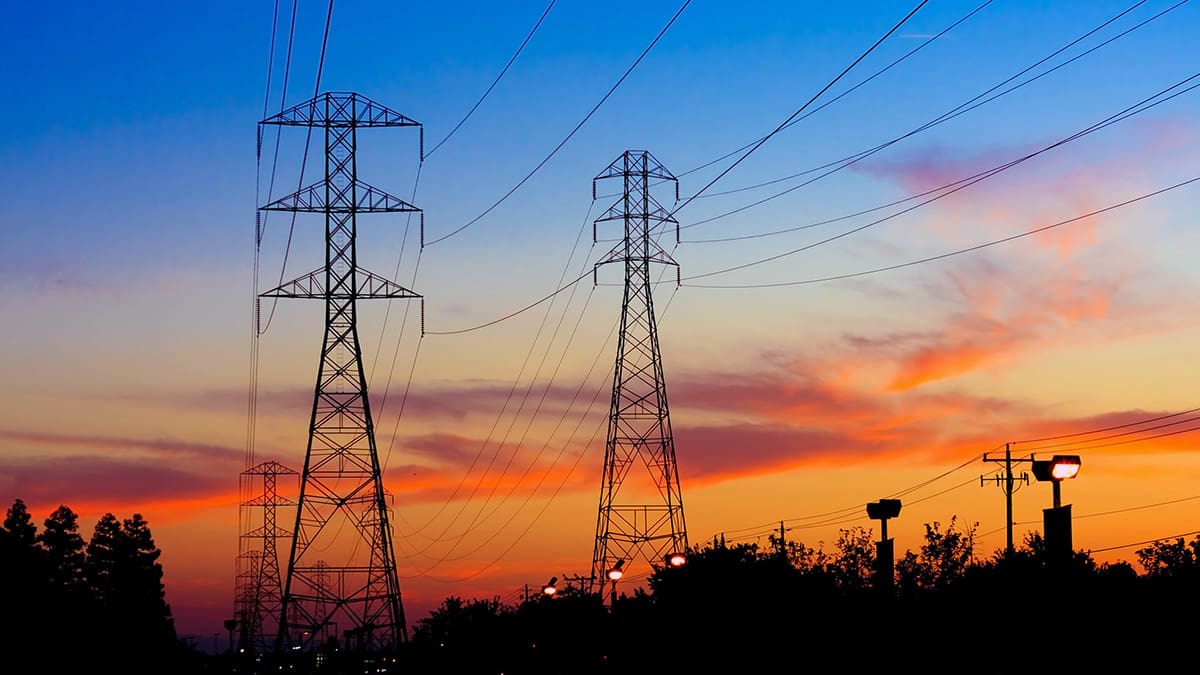
EPTA further emphasised the pivotal role of the transmission sector in realising India’s renewable energy ambitions. With more than $100 billion in investment anticipated in transmission infrastructure over the next 8–10 years, a robust and scalable grid is foundational to achieving national climate goals.
Among its additional recommendations, EPTA highlighted the urgent need to ramp up domestic manufacturing capabilities for high-voltage direct current (HVDC) 765 kV equipment under the Production Linked Incentive (PLI) scheme. The demand-supply gap has been exacerbated by fully booked European suppliers and continued restrictions on Chinese imports, posing a risk to the timely execution of critical infrastructure projects.
The association also drew attention to the planned offshore transmission line connecting the Andaman and Nicobar Islands to Paradip, Odisha. This project, envisioned under the ‘One Sun, One World, One Grid’ initiative, aims to replace fossil fuel-generated power in the islands with clean electricity sourced from the mainland. EPTA noted that such bold infrastructure initiatives could also lay the groundwork for future cross-border energy trade, including possible grid links from Andaman to Singapore and Gujarat to the UAE.
In conclusion, EPTA urged the government to consider the broader implications of a rapid ISTS waiver phase-out. “The government has been very supportive of the sector and has taken a number of positive steps in the past six months,” Upadhyaya said. “We are hopeful that this flexibility will continue and that projects on the verge of completion are not unfairly penalised.”
With India’s clean energy sector at a critical juncture, EPTA’s call for policy pragmatism seeks to strike a balance between fiscal discipline and the urgent need to accelerate the country’s green energy transition.