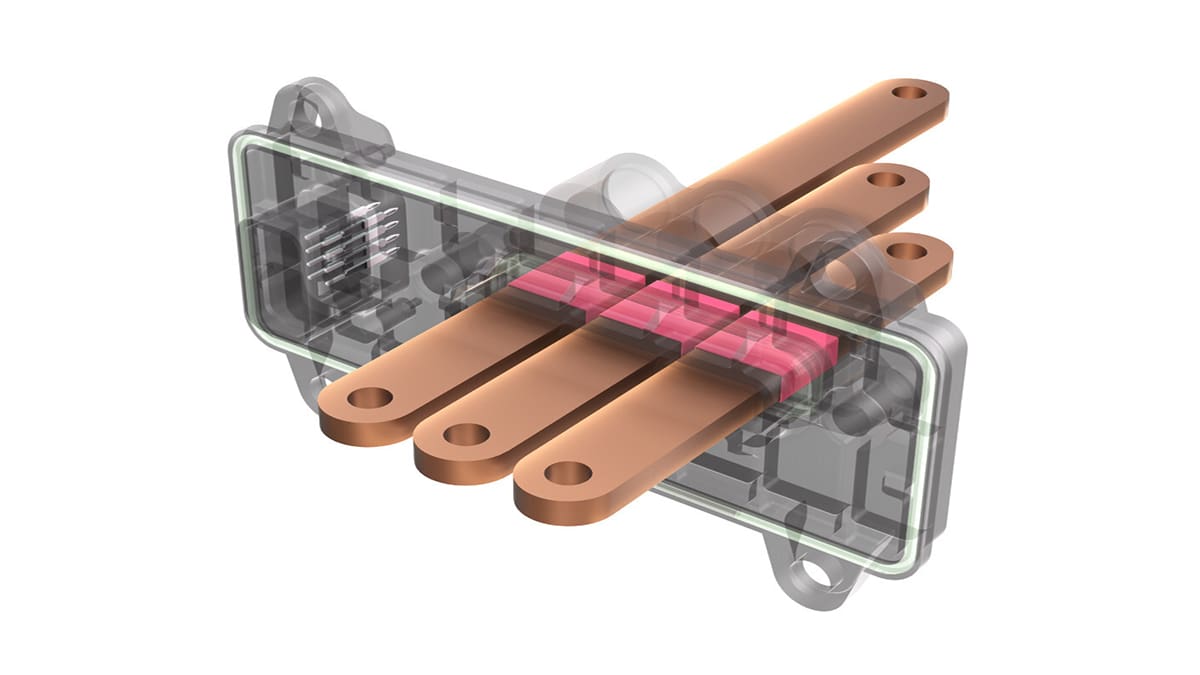

ENNOVI, a key player in mobility electrification solutions, has unveiled a breakthrough in drivetrain component design with the introduction of ENNOVI-SealTech—an advanced sealing technology for busbars in electric and hybrid vehicles (xEVs). This new solution addresses one of the most critical challenges in electric drivetrain systems: preventing coolant leakage while maintaining robust electrical connections.
In xEV drivetrains, busbars often operate in environments where one side is exposed to coolant and the other requires a dry, electrically stable interface. Dominik Pawlik, Product Portfolio Director for Power Interconnects at ENNOVI, highlights the limitations of conventional methods such as potting, rubber O-rings, and gaskets. These traditional techniques tend to involve costly and time-consuming secondary processes and can become prone to leakage over time. ENNOVI-SealTech is engineered to overcome these shortcomings, delivering both reliability and cost-efficiency.
The ENNOVI-SealTech platform offers two main sealing methods tailored to application needs double-walled shrink tubes and adhesive tape. These approaches eliminate the need for post-processing, thereby improving manufacturing efficiency while maintaining high sealing performance. The flexibility of the technology supports a wide array of use cases, including electric motors, inverters and oil pump interfaces.
To ensure reliability under real-world operating conditions, ENNOVI subjects its SealTech configurations to rigorous testing. Each design undergoes thermal aging tests at 150°C for 1,000 hours, and thermal shock cycling from -40°C to +150°C for 600 cycles, with each cycle lasting 15 minutes. All tests are conducted in accordance with the EN 60068-2 standard. Additionally, leak tests are performed to validate sealing integrity.
One of the standout features of ENNOVI-SealTech is its adaptability. The sealing solutions can conform to virtually any busbar geometry and are compatible with a broad spectrum of metals and plastics, including copper, aluminium, PA66, PBT, and PC. This versatility makes it a compelling option for engineers and OEMs aiming to enhance drivetrain reliability without compromising on design flexibility or production efficiency.