
Uttar Pradesh is emerging as a significant beneficiary of India’s expanding atomic energy programme, with applications ranging from agricultural innovation to long-term nuclear power planning. The Bhabha Atomic Research Centre (BARC), a constituent unit of the Department of Atomic Energy (DAE), is playing a central role in this transformation through collaborative research, technology deployment and public outreach.
One of the most visible impacts is in agriculture, where BARC is working with Acharya Narendra Dev University of Agriculture and Technology (ANDUAT), Kumarganj, Ayodhya, to improve the traditional aromatic rice landrace ‘Kalanamak’ using radiation-induced mutation breeding. This effort involves six Krishi Vigyan Kendras located in Siddharthnagar, Maharajganj, Basti, Gorakhpur (two centres) and Balrampur, all of which are contributing to research and development aimed at increasing yield and resilience of the crop. The initiative is expected to benefit farmers across the Tarai region of the state.
To ensure wider adaptability, ten Regional Adaptive Testing and Demonstration Stations of the Uttar Pradesh agriculture department have been identified to test radiation-improved mutant derivatives of rice across different agro-climatic zones of the state. Similar mutation breeding programmes are underway for wheat and okra in collaboration with Rani Lakshmibai Central Agricultural University, Jhansi, and ANDUAT, Ayodhya. The Indian Institute of Pulses Research in Kanpur is also regularly evaluating BARC-developed mutant lines through national trials, while yield evaluation trials for mustard and wheat are currently in progress with Banda University of Agriculture and Technology.
Support from the Department of Atomic Energy’s Board of Research in Nuclear Sciences has enabled focused research on disease resistance in lentils, with funding provided to ICAR–IIPR, Kanpur. These efforts underline the growing role of nuclear techniques in strengthening food security and crop productivity.
BARC-developed crop varieties have already reached farmers in Uttar Pradesh. The groundnut variety TG 37A has been evaluated and released for the state in collaboration with Chandra Shekhar Azad University of Agriculture and Technology, Mainpuri. Another major success is the Trombay Linseed Variety TL 99, India’s first edible oil linseed with low linolenic acid content and high seed and oil yield, which has been released for commercial cultivation in the state.
Seed multiplication and distribution form a critical link in this process. Nucleus, breeder, foundation and certified seeds are supplied through partnerships with agricultural universities and agencies. For instance, nucleus seed of TL 99 has been provided to IIPR, Kanpur, for seed production and popularisation, while breeder seed of Trombay groundnut varieties has been supplied across seven districts of Uttar Pradesh to expand adoption.
Beyond agriculture, radiation processing technologies are also finding a foothold in the state. Three radiation processing facilities have already been commissioned in the private sector in Uttar Pradesh, offering services on a demand basis. A proposal from the Yamuna Expressway Industrial Development Authority to establish a facility for medical product sterilisation is at an early stage, though no fresh proposals are currently under consideration by the department.
At the national level, India’s nuclear power programme continues to expand. The current installed nuclear power capacity stands at 8,780 MW, excluding the retired RAPS-1 unit, with nuclear electricity generation during 2024–25 reaching 56,681 million units. Nuclear power accounted for about 3.1% of the country’s total electricity generation in the same period.
The government has now set an ambitious course through the Nuclear Energy Mission, which aims to raise installed nuclear capacity to about 100 GW by 2047. Under this roadmap, the Nuclear Power Corporation of India Limited is expected to contribute 54 GW by deploying indigenous pressurised heavy water reactors and light water reactors developed with foreign cooperation.
BARC is also advancing the design and development of small modular reactors, including the 200 MWe Bharat Small Modular Reactor and a 55 MWe SMR. These reactors are intended for use as captive power plants for energy-intensive industries, for repurposing retiring fossil-fuel plants, and for supplying electricity to remote or off-grid locations. In addition, a high-temperature gas-cooled reactor of up to 5 MW capacity is under development for hydrogen production, linking nuclear power with future clean fuel pathways.
Most of the technology and manufacturing capability required for both large and small reactors is already available domestically, supported by Indian industry with technological guidance from the Department of Atomic Energy. Following the Union Budget announcement for private sector participation in deploying Bharat Small Reactors, NPCIL has issued requests for proposals to enable industries to set up 220 MW PHWR-based reactors as captive plants within the existing legal framework.
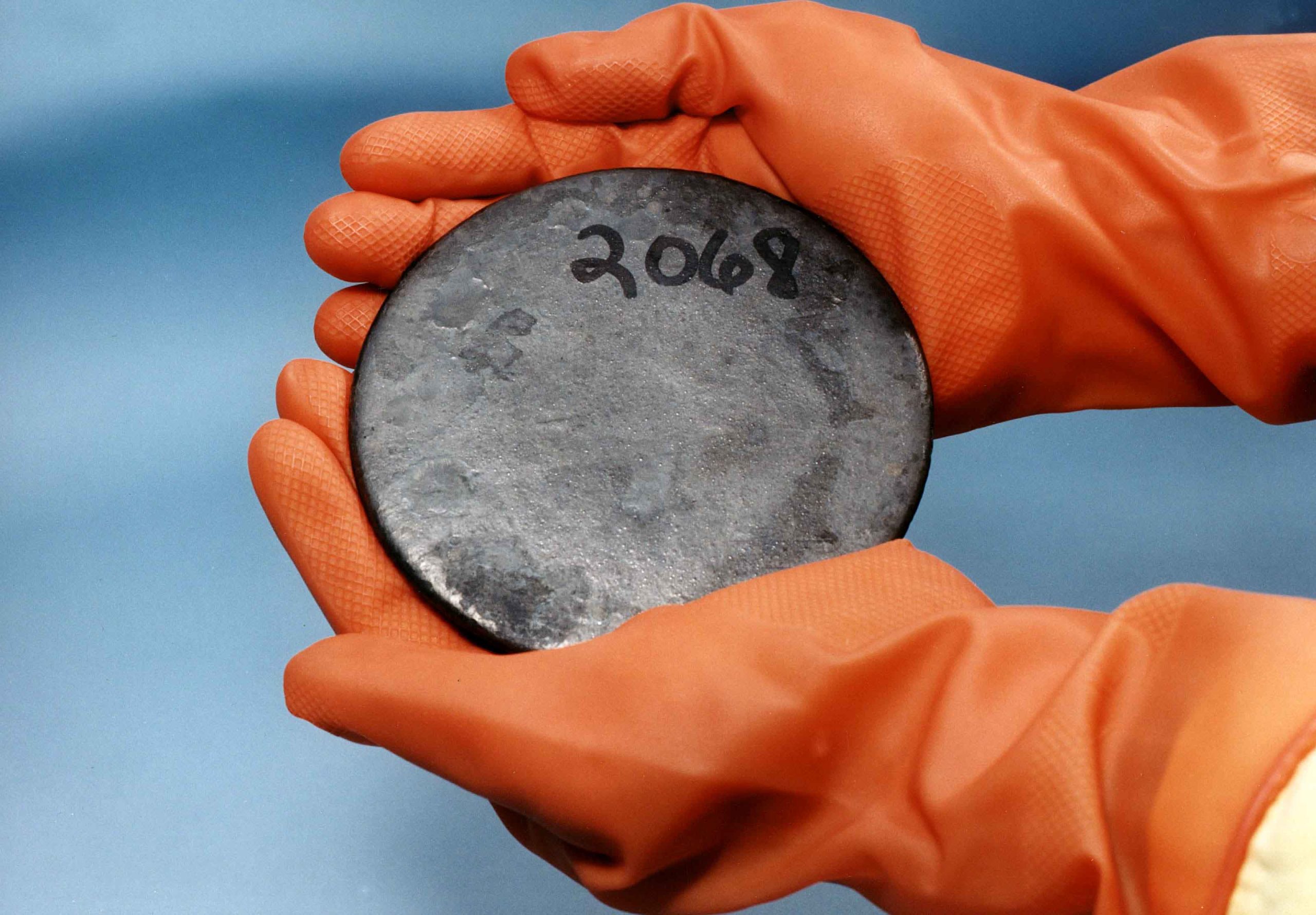
These initiatives are aligned with India’s long-term three-stage nuclear power programme, designed to maximise the use of limited uranium resources while ultimately harnessing the country’s vast thorium reserves. The programme begins with pressurised heavy water reactors using natural uranium, progresses to fast breeder reactors using plutonium from spent fuel, and culminates in large-scale utilisation of thorium through uranium-233. The first stage is already well established, while the Prototype Fast Breeder Reactor at Kalpakkam in Tamil Nadu is nearing commissioning under the second stage.
Alongside technological development, the Department of Atomic Energy continues to run extensive public awareness programmes to build understanding and acceptance of nuclear energy and its role in India’s energy mix.