
India’s oil and gas sector is reinforcing safety protocols for underground pipelines even as the expansion of the National Gas Grid gains unprecedented momentum, according to recent updates from government and regulatory bodies.
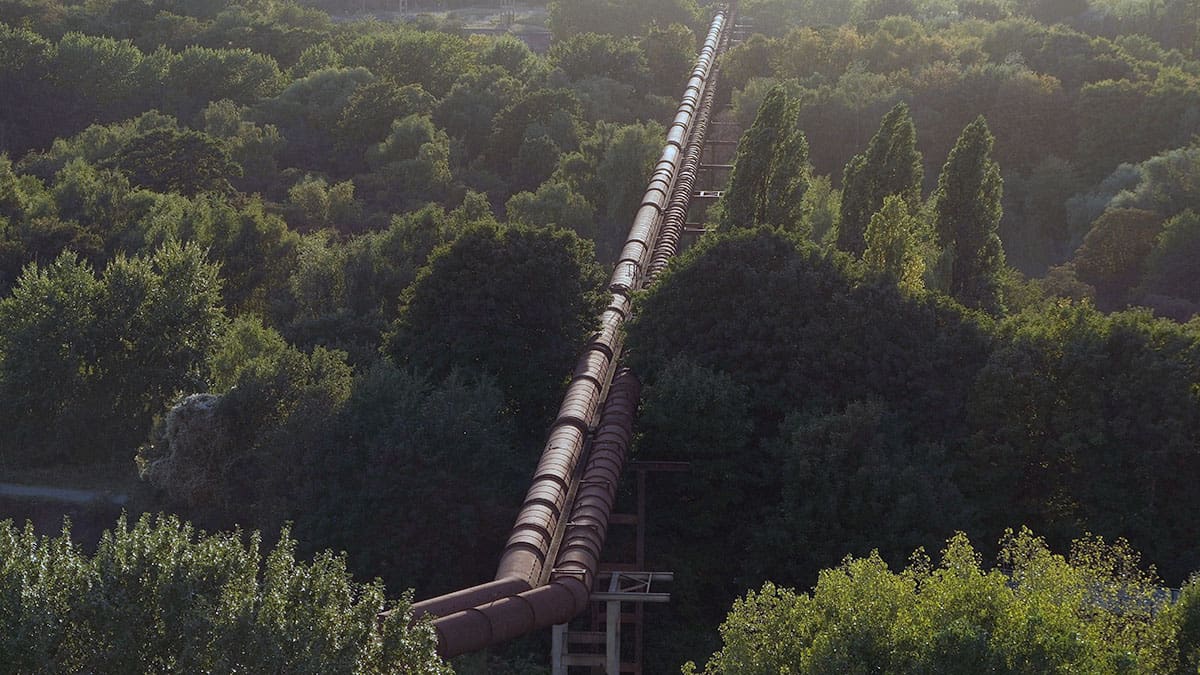
Oil and gas companies have adopted a series of advanced technologies and monitoring systems to prevent accidental damage and unauthorised excavation around buried pipelines. Key measures include deployment of Supervisory Control and Data Acquisition (SCADA) systems for real-time monitoring, Leak Detection Systems (LDS), Pipeline Intrusion Detection Systems (PIDS), GIS-based mapping, regular security patrols, and public awareness campaigns for communities located near pipeline routes.
Additional protection is provided under the Petroleum and Minerals Pipelines (P&MP) Act, 1962, which restricts construction or tree planting within the pipeline Right of User (ROU) and imposes penalties including imprisonment for damaging petroleum or gas pipelines.
In alignment with the PM Gati Shakti initiative, any new project proposed near pipeline infrastructure is automatically flagged via the Gati Shakti portal, allowing utility owners to assess potential risks early.
To further reduce accidental damage, the Department of Telecommunications has launched the Call Before You Dig (CBuD) application. The tool enables excavation agencies to coordinate with oil and gas firms and City Gas Distribution (CGD) networks before undertaking digging activities. Standard Operating Procedures (SOPs) are also in place to identify pipeline locations, determine their depth, and streamline approval processes for crossing or construction work. Authorities emphasise that close coordination between state and central agencies remains essential for safeguarding critical energy assets.
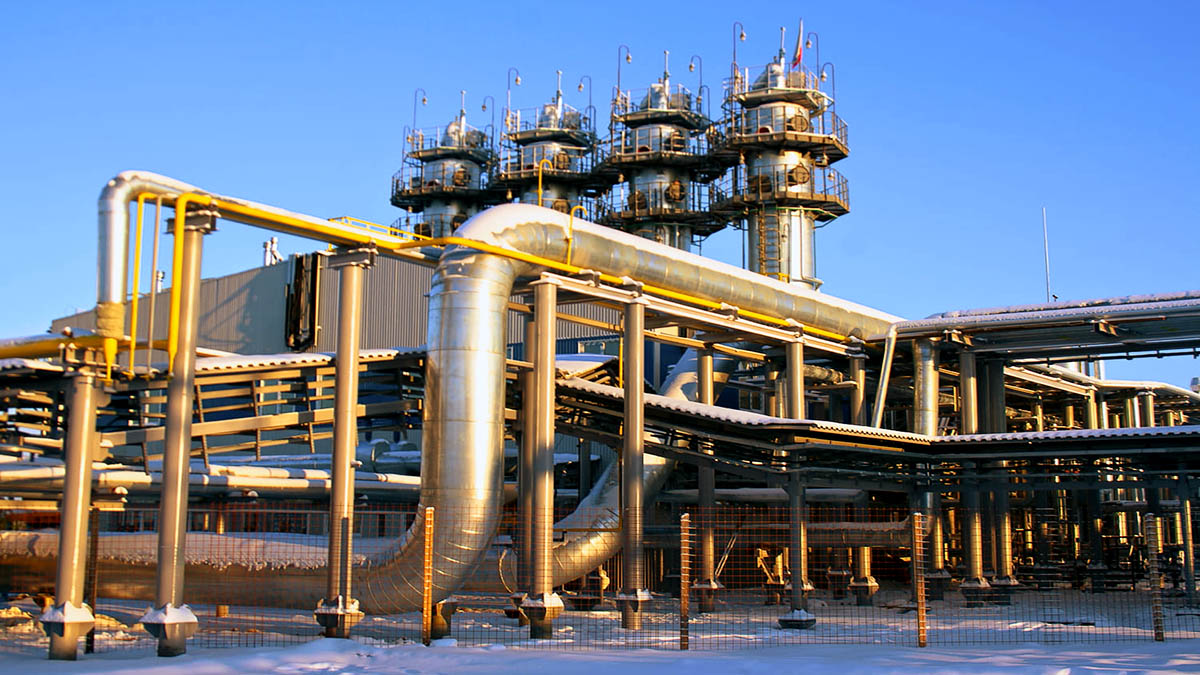
The Petroleum and Natural Gas Regulatory Board (PNGRB) has stepped up efforts to expand the national gas pipeline network, authorising 34,233 km of Natural Gas Pipelines (NGPL) across India. Of this, 25,429 km are already operational as of June 2025, while another 10,459 km are currently under various stages of construction.
This expansion is central to the Government of India’s vision of ‘One Nation, One Gas Grid’, a nationwide interconnected pipeline network designed to improve the availability, affordability, and accessibility of natural gas.
In pursuit of this goal, the government has implemented measures such as viability gap funding for low-demand regions, introduction of a unified tariff system, accelerated expansion of CGD networks, development of LNG terminals, and policy reforms granting marketing and pricing freedom (within a prescribed ceiling) for gas produced from deepwater, high-pressure/high-temperature and coal seam reservoirs. Initiatives like SATAT (Sustainable Alternative Towards Affordable Transportation) are also fostering the development of Bio-CNG as a cleaner fuel alternative.
Authorities continue to work closely with state governments and executing agencies to resolve challenges and expedite pipeline construction nationwide.
The rapid expansion of the gas pipeline network is expected to significantly improve energy access in both urban and rural regions. Reliable pipeline-based gas supply enhances household convenience and reduces dependence on traditional fuels.
In industrial corridors, assured access to competitively priced natural gas helps lower operational costs, boosts manufacturing competitiveness and attracts investment ultimately contributing to job creation. Within CGD networks, the availability of CNG for transportation and PNG for households supports cleaner mobility and domestic energy usage, contributing to improved air quality and environmental sustainability.