
India has signalled confidence and strategic clarity in navigating an increasingly turbulent global energy environment, as leaders concluded India Energy Week 2026 with a strong message: the country is prepared for geopolitical uncertainty and determined to remain a pivotal voice in the world’s energy future.
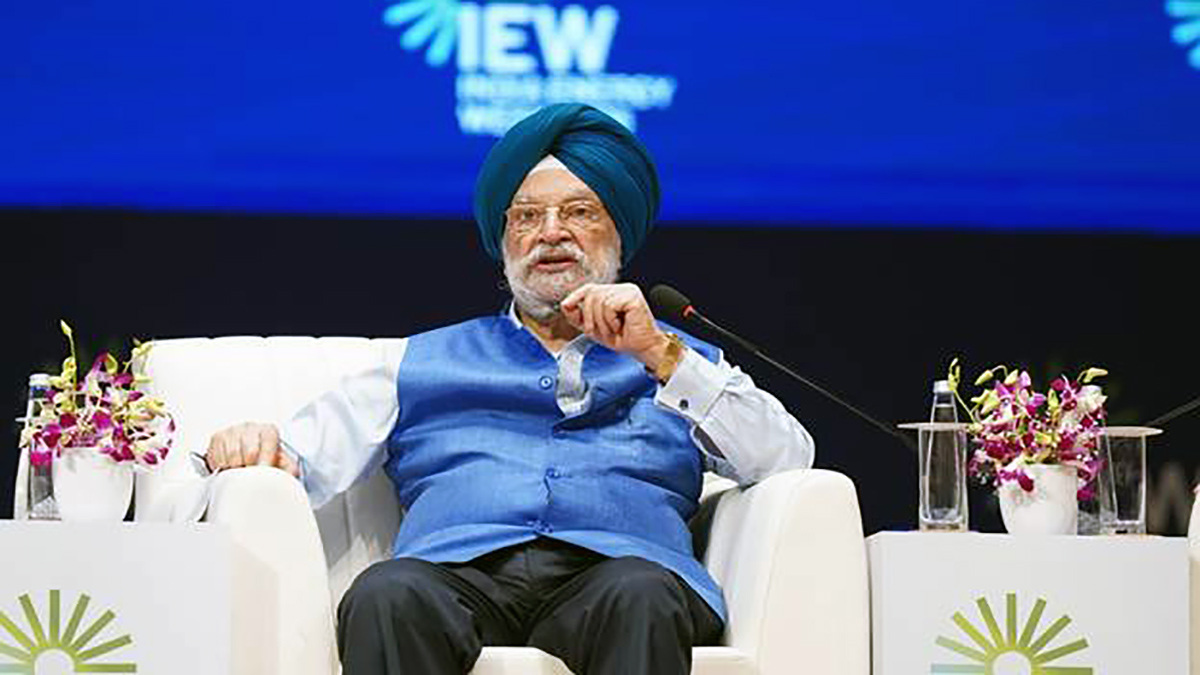
Speaking at the closing ceremony, Hardeep Singh Puri, India’s Union Minister for Petroleum and Natural Gas, said the nation has successfully transformed global disruptions into opportunities by diversifying supply sources and accelerating its transition toward cleaner fuels. According to him, India’s energy strategy is built on three core pillars: diversification, resilience and forward-looking transitions enabling it to withstand repeated international shocks without compromising domestic stability.
Over the past few years, international energy markets have been marked by war-driven supply disruptions, trade realignments, and price volatility. Yet India, now the world’s third-largest energy consumer and fourth-largest refiner, has managed to secure uninterrupted supplies while keeping consumer prices relatively stable.
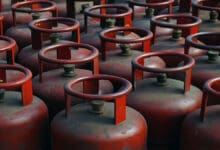
Puri emphasised that despite global price spikes, the Indian government shielded citizens from the worst impacts. Strategic interventions by oil marketing companies and calibrated policy decisions helped maintain affordability of essential fuels, including LPG. He noted that India today ranks among the countries with comparatively low retail energy prices, even during periods of global crisis.
This balancing act ensuring affordability without derailing long-term sustainability goals has become central to India’s positioning in the global energy dialogue.
While reaffirming the continued importance of conventional fuels in supporting economic growth, the Minister underscored the government’s accelerating push into alternative and low-carbon energy sources. India’s clean energy roadmap includes rapid expansion of compressed biogas (CBG), green hydrogen, ethanol blending and biofuels, alongside the development of indigenous clean-energy technologies.
“Traditional energy will remain essential for some time,” Puri noted, “but our progress in green fuels gives us confidence that cleaner sources will steadily take a larger share of the energy mix.”
India’s green hydrogen ambitions in particular are drawing global attention, as the country positions itself as both a future producer and exporter of low-cost renewable hydrogen.
Following the Minister’s address, Dr Neeraj Mittal, Secretary at the Ministry of Petroleum and Natural Gas, laid out a detailed blueprint for strengthening India’s energy self-reliance.
With India’s economy projected to grow at over 7% annually, energy demand is expected to rise sharply. To meet this surge, the government is focusing on expanding domestic exploration and production (E&P) activities. Plans include increased drilling campaigns, faster approvals and policies aimed at attracting greater investment into upstream projects.
Mittal highlighted that boosting domestic output is not just about reducing import dependence it is also about building resilience against external shocks. “We are building scale at home while remaining globally competitive,” he said.
India’s refining sector already one of the largest in the world, is also being positioned as a strategic lever. The country has emerged as a major exporter of refined petroleum products, supplying fuels to multiple regions even during global shortages.
Officials stressed the integration of refining and petrochemicals as a key strategy to maximise value addition and reduce raw material imports. This approach aims to strengthen India’s trade balance while supporting domestic manufacturing growth.
Another major theme at the closing session was the growing role of technology in the energy sector. Digital tools, artificial intelligence and logistics optimisation are increasingly being deployed to cut costs, improve operational reliability and enhance supply chain resilience.
Mittal pointed out that digitalisation is no longer optional but central to energy competitiveness. From predictive maintenance in refineries to AI-driven demand forecasting, technology is helping companies operate more efficiently in a volatile global environment.
India’s compressed biogas programme received particular attention as a model linking clean energy with rural economic development. The government aims to achieve 5% CBG blending by 2030, supported by farmer-led biomass supply chains and active participation from state governments.
This initiative not only reduces dependence on fossil fuels but also creates new income streams in rural areas, helping align energy transition goals with inclusive growth.
The overarching message from India Energy Week 2026 was one of pragmatic optimism. While acknowledging that global energy markets will likely remain volatile, Indian policymakers expressed confidence that a diversified portfolio spanning conventional fuels, bioenergy and emerging clean technologies provides a strong buffer.
By maintaining supply security, shielding consumers from extreme price shocks, and investing aggressively in the energy transition, India is positioning itself as a reliable and stabilising force in the global energy landscape.