
The Government of India has announced a significant expansion of the nation’s energy infrastructure, outlining plans to boost refining capacity, scale up petrochemical output, and accelerate the transition toward cleaner fuels. According to a statement issued by the Press Information Bureau on Monday, the country’s current refining capacity of 258.1 million metric tonnes per annum (MMTPA) is projected to rise to 309.5 MMTPA by 2030. This expansion is expected to substantially increase the Petrochemical Intensity Index (PII) of public sector refineries from 4.1 to nearly 9.3 as several ongoing and planned projects come online.
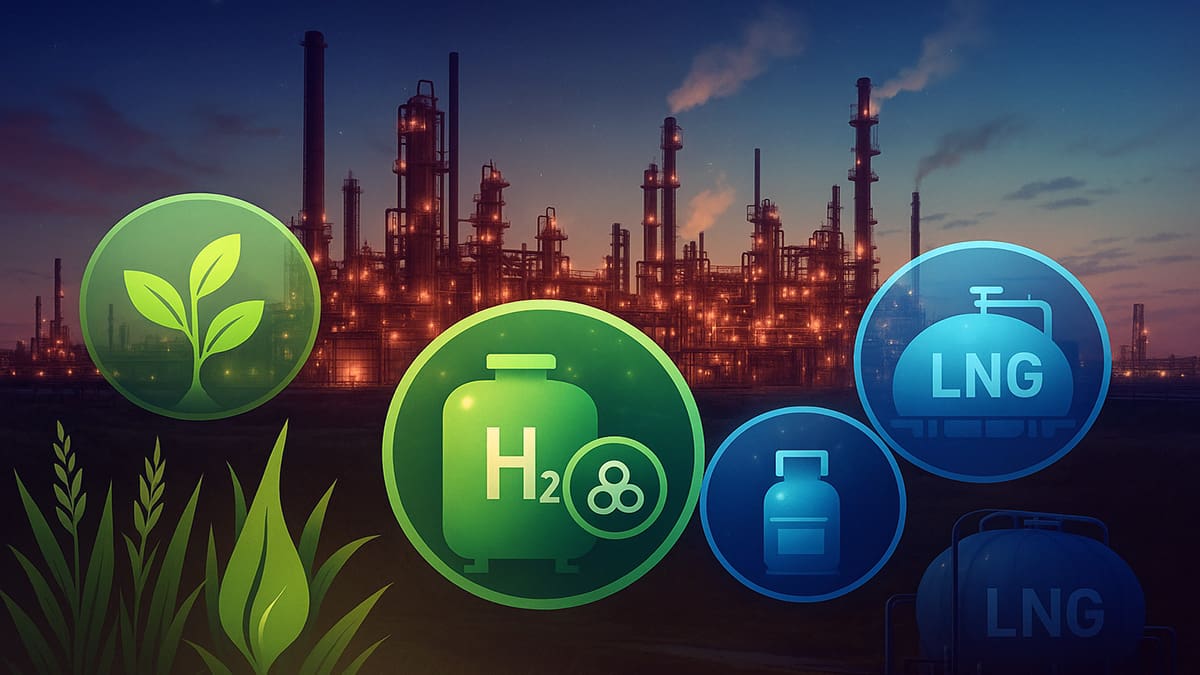
In parallel with this refining expansion, the government is pushing forward a suite of initiatives aimed at promoting biofuels, green hydrogen, and liquefied natural gas (LNG). A key pillar of this effort is the Ethanol Blending Programme, which targets 20% ethanol blending in petrol and includes measures to broaden acceptable feedstocks to bolster ethanol availability. To further advance the biofuels ecosystem, the Pradhan Mantri JI-VAN Yojana is providing financial support for integrated projects developing advanced biofuels, including sustainable aviation fuel (SAF).
The promotion of Compressed Biogas (CBG) continues under the Sustainable Alternative Towards Affordable Transportation (SATAT) initiative. New support schemes, such as the Biomass Aggregation Machinery (BAM) initiative and the Direct Pipeline Infrastructure (DPI) program, aim to strengthen biomass supply chains and integrate CBG production with existing gas pipeline networks. These efforts are designed to stimulate rural economies, reduce stubble burning and enhance clean fuel availability.
A major thrust of India’s clean energy strategy is the National Green Hydrogen Mission, which sets an ambitious target of producing 5 MMTPA of green hydrogen by 2030. The mission seeks to position India as a global hub for green hydrogen production, enabling deep decarbonisation in hard-to-abate sectors such as steel, cement, and heavy transport. Simultaneously, the government is expanding LNG infrastructure ranging from import terminals to fuelling stations to increase the availability of LNG across multiple industries.
Officials emphasise that the deployment of cleaner fuels such as biofuels, green hydrogen and LNG will play a crucial role in reducing emissions across key sectors. Their adoption is expected to support India’s transition to a low-carbon economy while aligning with both national climate goals and international commitments.