In a significant move to fortify the quality control ecosystem for non-ferrous metals in India, the Ministry of Mines has unveiled three pivotal Quality Control Orders (QCOs) for seven distinct non-ferrous refined metal items. These orders, which follow meticulous consultation processes and international standards, are set to enhance the quality, curb sub-standard imports, and bolster the ‘Make in India’ brand globally.
The Ministry of Mines, in collaboration with the Bureau of Indian Standards (BIS) and industry stakeholders, has embarked on a groundbreaking journey by issuing these QCOs under the BIS Act. Scheduled to come into effect three months from the date of notification, these regulations are poised to transform the non-ferrous metal sector within the country.
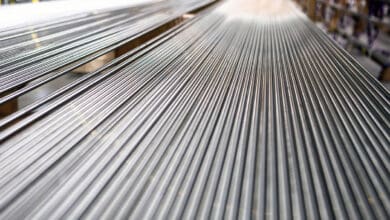
The first of these QCOs focuses on Aluminium and Aluminium Alloys. Under this mandate, domestic production and imports of aluminium and aluminium alloy (ingots and casting), high-purity primary aluminium ingot, aluminium alloy ingots for bearings, primary aluminium ingots for remelting, and aluminium ingots, billets, and wire bars (EC grade) will require compulsory certification under the appropriate Indian Standards (IS).
Additionally, two more QCOs have been introduced to establish IS standards for copper and nickel powder, further ensuring the quality and standards of these essential non-ferrous metals.
These QCOs are the culmination of an exhaustive process that included consultations with BIS, industry associations, and stakeholders. The draft QCOs were made available on the World Trade Organization (WTO) website for a 60-day period to invite comments from member countries. Simultaneously, they were hosted on the Ministry’s website for feedback from stakeholders within the same timeframe. Following this, the QCOs were finalized after approval by the Union Minister of Mines and vetting by the Legislative Department.
The Ministry of Mines remains committed to strengthening the quality control ecosystem for non-ferrous metals and is actively collaborating with BIS to draft more QCOs for upstream products in the non-ferrous metal value chain.
The implementation of these mandatory QCOs serves multiple crucial purposes. Firstly, it acts as a barrier against the import of sub-standard products, safeguarding the interests of domestic consumers and industrial users. Secondly, it prevents unfair trade practices, ensuring a level playing field for all market participants. Most importantly, these QCOs guarantee the supply of high-quality products to consumers, enhancing the reputation of ‘Make in India’ on the global stage.
As these QCOs are poised to elevate the standards of aluminium, copper, and nickel, they will not only bolster domestic industries but also promote Indian products’ quality to align with global benchmarks. Consequently, this will amplify the ‘Make in India’ brand’s value in international markets, contributing to the country’s reputation as a manufacturing powerhouse.