
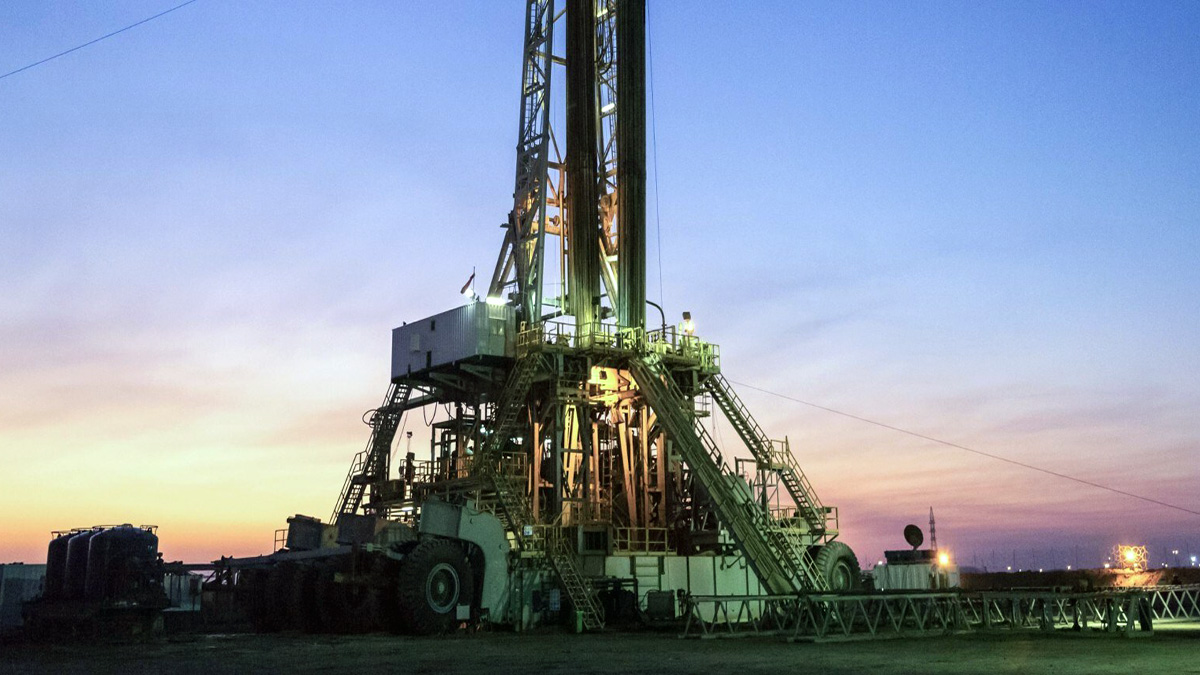

TÜV Rheinland is reinforcing its role as a global leader in testing and certification by expanding its suite of Geotechnical and Geophysical services, positioning itself as a crucial partner for developers, engineers, and project owners navigating increasingly complex construction landscapes. As infrastructure demand grows worldwide, the need for accurate subsurface assessment has never been more essential. The company’s geotechnical capabilities focus on eliminating uncertainty beneath the ground, an area where unseen conditions can significantly influence safety, cost, and project timelines.
Every construction project, from large-scale infrastructure to industrial facilities and commercial developments, depends on the stability of the soil and rock beneath it. Unpredictable factors such as soil composition, groundwater behaviour, voids and unstable layers can pose substantial risks. TÜV Rheinland addresses these challenges through a combination of on-site investigations, advanced geophysical methods, accredited laboratory testing and sophisticated modelling tools. These processes generate a detailed understanding of subsurface conditions, ensuring that planning is based on accurate, actionable data.
The organisation’s field investigations include borehole drilling, cone penetration testing, trial pits, piezometer installation and other in-situ tests designed to evaluate terrain behaviour. Complementing these hands-on assessments are geophysical techniques such as Ground Penetrating Radar, Electrical Resistivity Tomography, MASW, and micro-gravity surveys, which reveal hidden underground features without intrusive excavation. Laboratory analyses further determine soil and rock strength, compressibility, chemical properties, and other critical parameters. With this information, engineers can simulate settlement, bearing capacity, deformation and slope stability, enabling precise foundation design and risk mitigation. Findings are compiled into comprehensive geotechnical reports detailing soil stratigraphy, foundation recommendations, groundwater considerations and tailored guidance for safe, efficient construction.
A thorough understanding of subsurface conditions provides several advantages for project teams. By accurately predicting soil and rock behaviour, developers can design safer, more resilient structures and avoid costly modifications during construction. Reliable data supports regulatory compliance and due diligence, ensuring that developments meet local and international standards. It also helps safeguard long-term asset performance by identifying potential challenges such as subsidence, corrosive soils, or groundwater fluctuations early in the project lifecycle.
TÜV Rheinland’s geotechnical work is grounded in internationally recognised standards, including ASTM, BS, and DIN EN, ensuring the consistency and accuracy of every assessment. Its team of engineers, surveyors, and laboratory specialists undergo continuous technical training and follow strict quality-control procedures. Equipped with advanced technologies and accredited laboratory facilities, the company delivers dependable insights for foundation design, environmental studies, risk assessment and complex infrastructure planning.
“At TÜV Rheinland, we believe that every successful construction project stands on the strength of what lies beneath,” said Shaezar Karim, Regional Director for Infrastructure & Project Supervision for the India, Middle East and Africa region. “Our Geotechnical Services bring clarity to the unseen, translating soil, rock, and subsurface data into actionable insights. This knowledge enables clients to make informed decisions, mitigate risks and build structures that endure.”