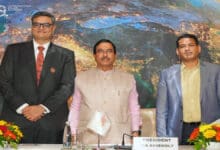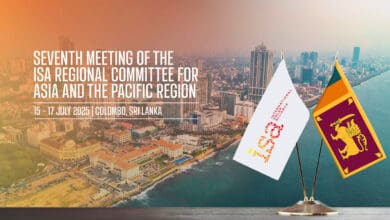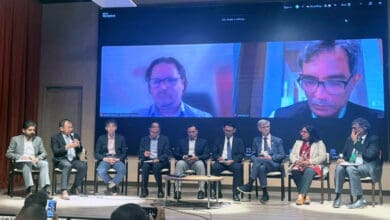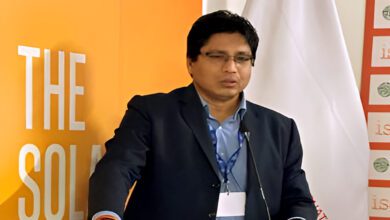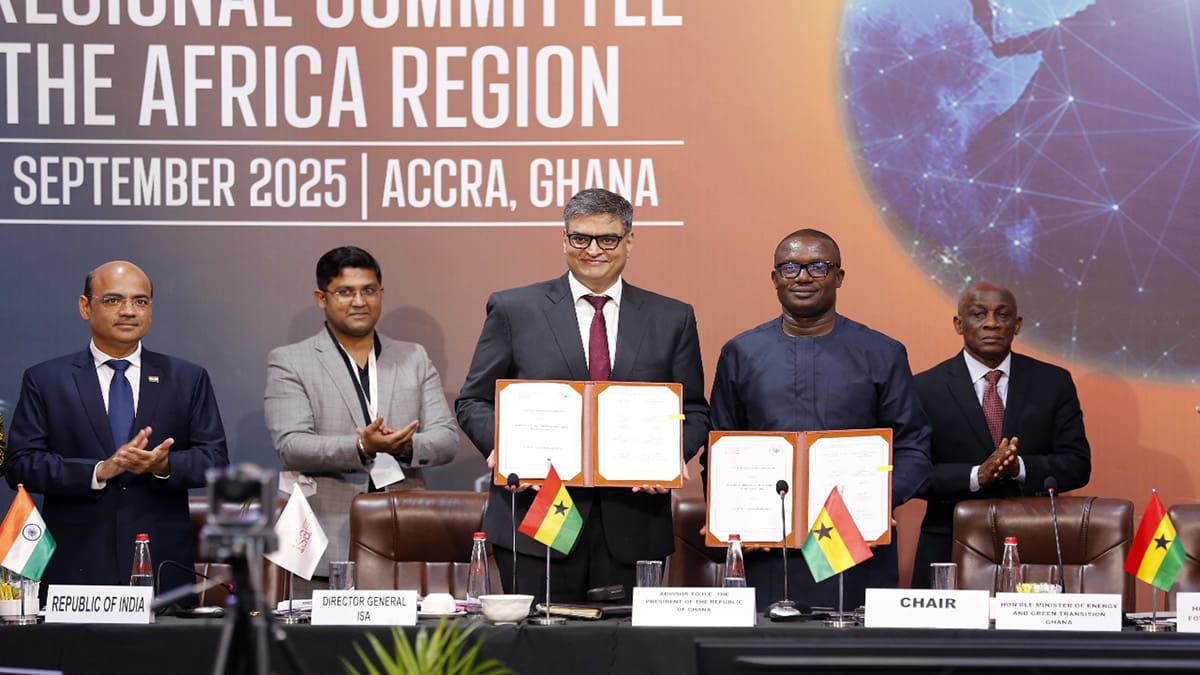

The Seventh Meeting of the International Solar Alliance (ISA) Regional Committee for Africa opened on Wednesday in Accra, Ghana, ushering in a new chapter in the continent’s clean energy journey. Leaders from across Africa, joined by international partners, gathered to shape actionable strategies that will accelerate solar innovation, expand energy access, and foster climate-resilient growth.
John Abdulai Jinapor, Ghana’s Minister of Energy and Green Transition and Chair of the meeting, emphasised that solar expansion is both an environmental necessity and a socio-economic imperative. “Advancing Africa’s energy transition is central to sustainable growth and shared prosperity,” he said, noting that nearly 600 million people on the continent still lack electricity. He stressed the importance of transforming pipeline projects into bankable ventures, lowering risk premiums, and attracting private investment, with Ghana and Seychelles serving as ISA’s vice presidents in the African region.
Ghana’s Minister of Foreign Affairs, Samuel Okudzeto Ablakwa, echoed this vision, underscoring the need for clean, sustainable, and dependable energy to underpin economic growth. He called for collaborative partnerships to mobilise greater financing, pointing out that Africa currently receives only about 2% of global clean energy investment. “With adequate financing and strategic collaborations, we can achieve Africa’s goal of exceeding this threshold. Ghana is ready to take action and set an example that we all deserve,” he stated.
International voices also weighed in strongly on Africa’s energy future. Damilola Ogunbiyi, CEO and Special Representative of the UN Secretary-General for Sustainable Energy for All, highlighted the transformative role solar power is already playing in sub-Saharan Africa. Calling solar “the fastest, least-cost path to reach the underserved,” she urged governments to streamline licensing, unlock tariffs, and encourage private sector participation. “The average African, even when connected, uses about 400 kilowatt-hours of energy compared to 13,000 kilowatt-hours in the United States. This is unjust and cannot be part of our transition story,” she said, stressing that Africa’s sovereign wealth funds and pension institutions could play a leading role in driving renewable energy projects.
France and India, co-presidents of the ISA, reaffirmed their commitments to Africa’s energy transition. Jules Armand Beaussieux, France’s Ambassador to Ghana, highlighted solar’s potential to address climate change while supporting industrial growth, energy security, and job creation. Manish Gupta, India’s High Commissioner to Ghana, underscored India’s “One Sun, One World, One Grid” vision, aligning it with Africa’s priorities and pointing to projects ranging from solar home lighting to healthcare applications.
Ashish Khanna, Director General of ISA, described access to energy as a fundamental human right. He noted the persistent gap in clean energy investment in Africa and said ISA’s strategy of “Moving from Ambition to Action” will focus on implementation partnerships, innovative financing, and strengthening local capacities. “Our goal is to empower countries to develop their own solutions,” he said, outlining ISA’s plans to hold in-depth discussions with member states to establish concrete next steps.
The Accra meeting also saw major commitments and initiatives. Ghana, Nigeria, and The Gambia formalised Country Partnership Frameworks with ISA, aligning solar policies with national energy goals and prioritising applications such as community mini-grids, rooftop solar, and agriculture-driven solutions. A cooperation agreement was signed with the African School of Regulation to enhance regulatory development, capacity building, and knowledge sharing.
Agriculture emerged as a central theme, with leaders pushing solar-powered irrigation, cold storage, and other innovations to boost productivity, improve food security, and create rural jobs. Experts noted that such measures could reduce Africa’s staggering $400 billion annual food import bill while building resilience against climate shocks.
A key announcement came with the launch of ISA’s Africa Solar Facility, managed by Africa50, which is designed to de-risk investments and mobilise private capital. Backed by $200 million in catalytic finance and a commitment of up to $150 million from Nigeria’s Sovereign Investment Authority, the facility is expected to leverage over twenty times its base funding in private investment. The initiative will become operational before year’s end.
In addition, ISA is advancing digital transformation in the energy sector by introducing AI-driven tools and digital twins of power distribution systems, enabling utilities to optimise efficiency, cut costs, and better integrate solar power. The organisation is also working through its network of Solar Application Resource Centres to strengthen local capacity and ensure equitable access to clean energy technologies.
Seth Terkper, economic advisor to the President of Ghana, captured the mood of optimism during the opening ceremony, declaring that Africa has an extraordinary opportunity to harness its vast solar resources. “With nearly 60% of the world’s best solar resources, Africa can leapfrog traditional energy pathways and become a global leader in distributed renewable energy solutions,” he said.
As the meeting progresses, African leaders and their international partners appear united in their determination to move from ambition to action, ensuring that solar energy becomes not just a tool for electrification, but a driver of inclusive development, job creation, and long-term prosperity across the continent.