
India’s power sector in 2026–27 stands at the heart of the country’s development and decarbonisation journey, with the Union Budget signalling a decisive push to modernise the grid, stabilise distribution utilities and prepare the system for a renewable-heavy future. The allocations for the Ministry of Power reveal a sector that is no longer just about adding generation capacity but about building a smarter, more resilient and financially viable electricity ecosystem.
The ministry’s net allocation for 2026–27 stands at ₹29,997 crore, comprising ₹29,636 crore in revenue expenditure and ₹361 crore in capital outlay. At first glance, the modest capital figure may appear surprising for an infrastructure-heavy sector. However, the real story lies in scheme-based transfers, viability gap funding and large investments by public sector enterprises that sit outside the direct budget but shape the physical expansion of the grid. The budget is thus a lever to unlock broader capital flows rather than the sole source of infrastructure finance.
The single largest component is the Reform Linked Distribution Scheme (RDSS), which receives ₹18,000 crore in 2026–27. RDSS is the government’s flagship effort to repair India’s chronically weak electricity distribution segment. It funds smart prepaid metering, feeder segregation, loss reduction measures and infrastructure upgrades for state distribution companies (DISCOMs). By linking financial assistance to performance milestones, the scheme seeks to reduce aggregate technical and commercial losses and improve billing and collection efficiency. In essence, RDSS is an attempt to fix the sector’s weakest link distribution without which generation and transmission investments cannot yield full value.
Transmission and grid strengthening form the second pillar of spending. The Strengthening of Power Systems programme is allocated ₹969 crore, with a major share directed toward projects in Arunachal Pradesh and Sikkim (₹800 crore) and other northeastern regions. These investments are aimed at improving connectivity, reliability and the evacuation of hydro and renewable power from remote areas. Complementing this is the Power System Development Fund (PSDF), with a net provision of ₹1,102.6 crore, which supports transmission and distribution strengthening as well as assistance to DISCOMs linked to stranded gas-based power plants. Together, these allocations underscore that grid reliability and regional integration remain top priorities as India’s power demand continues to grow.
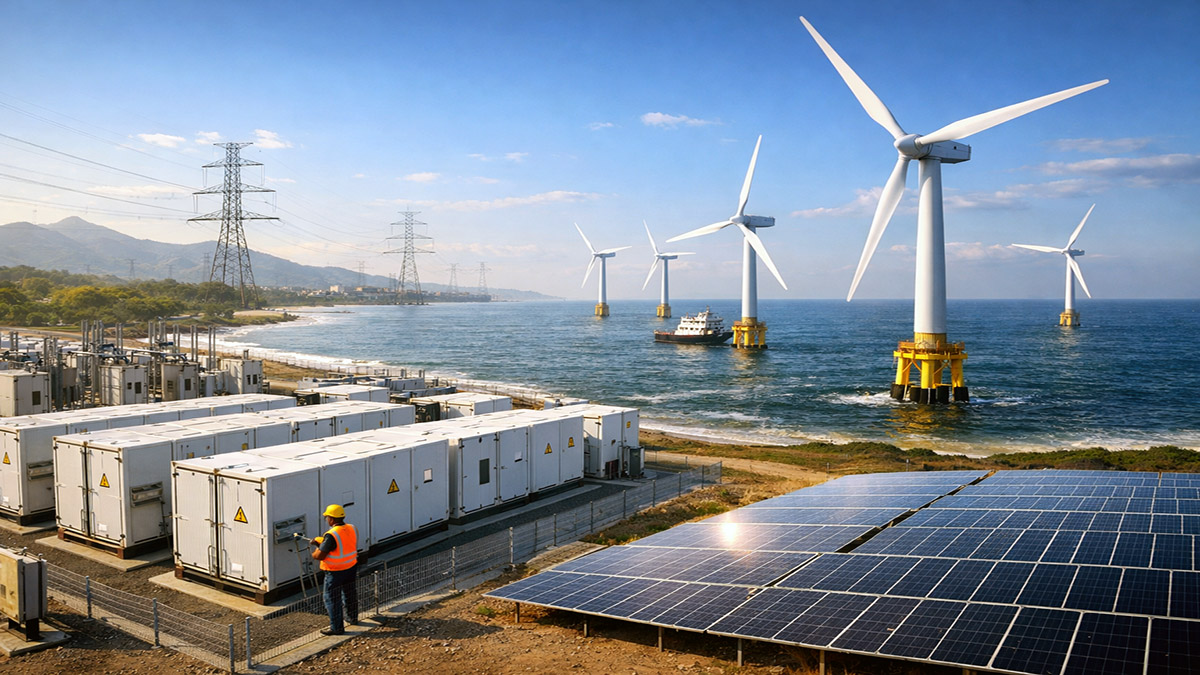
A notable shift in 2026–27 is the emergence of energy storage and carbon management as funded priorities. The budget provides ₹1,000 crore as viability gap funding for Battery Energy Storage Systems (BESS). This is a significant step toward addressing the intermittency of solar and wind power, enabling the grid to store excess renewable energy and release it during peak demand. Alongside storage, ₹500 crore is allocated for Carbon Capture, Utilisation and Storage (CCUS) initiatives in the power and industrial sectors. While modest relative to total sector spending, these allocations mark the entry of next-generation decarbonisation technologies into mainstream energy policy.
Energy efficiency continues as a complementary demand-side strategy. Dedicated funding of ₹40 crore supports energy efficiency programmes, while initiatives under the Bureau of Energy Efficiency (BEE) aim to lower consumption through standards, labelling and sectoral efficiency improvements. Although small in fiscal terms, efficiency gains can deliver large system-wide benefits by reducing peak load and delaying the need for new generation capacity.
Hydropower-related infrastructure also receives targeted support. The budget allocates ₹300 crore for flood moderation storage at hydro projects and ₹50 crore for enabling infrastructure such as roads and bridges at hydro sites. These measures reflect hydro’s dual role as a clean generation source and as critical infrastructure for water management and regional development, particularly in mountainous states.
Beyond the Union Budget’s direct allocations, public sector enterprises dominate capital formation in the power sector. Investment plans for 2026–27 show that Power Grid will invest about ₹37,000 crore, NTPC around ₹31,000 crore, NHPC over ₹14,000 crore, SJVN more than ₹9,400 crore and Damodar Valley Corporation (DVC) over ₹5,500 crore. These outlays cover transmission expansion, thermal and renewable generation projects, and large hydro developments. The scale of PSU capital expenditure, exceeding ₹1 lakh crore in total dwarfs the ministry’s budgetary support and underscores the state-led character of India’s power infrastructure expansion.
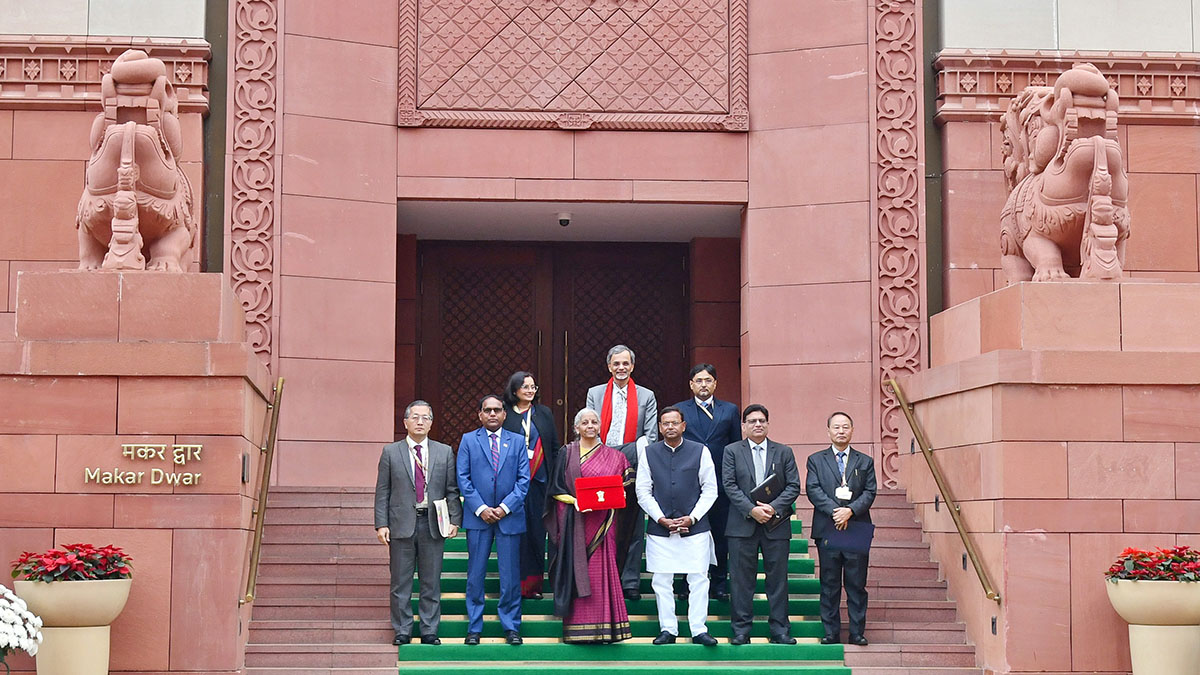
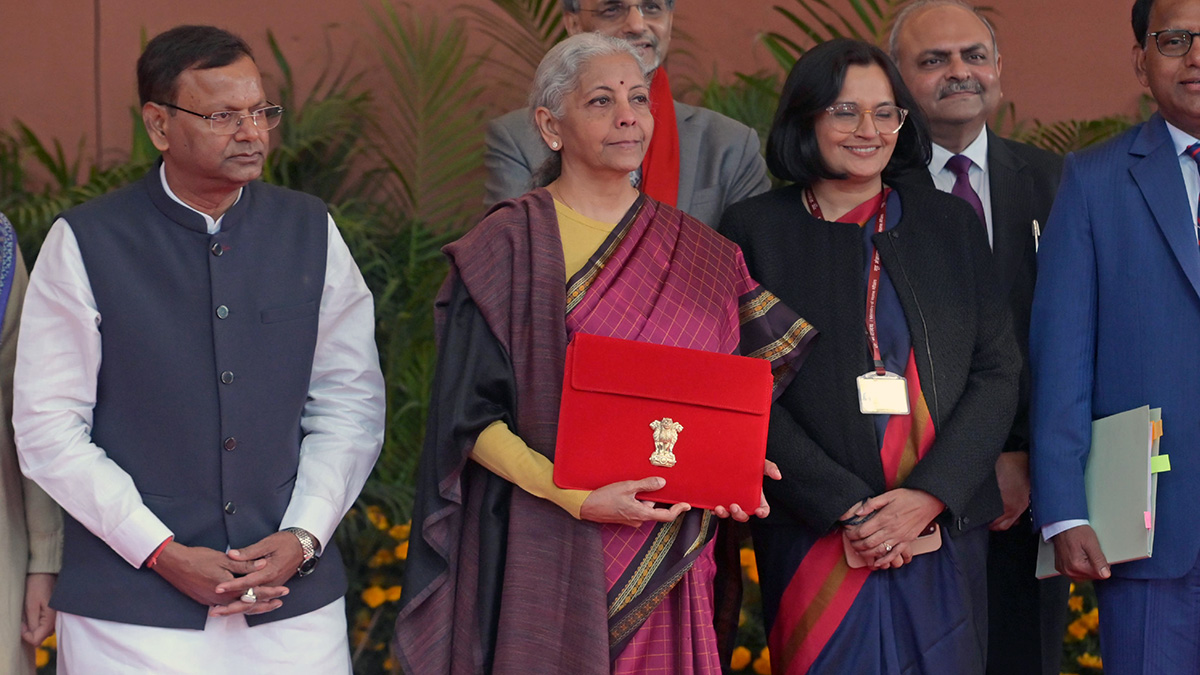
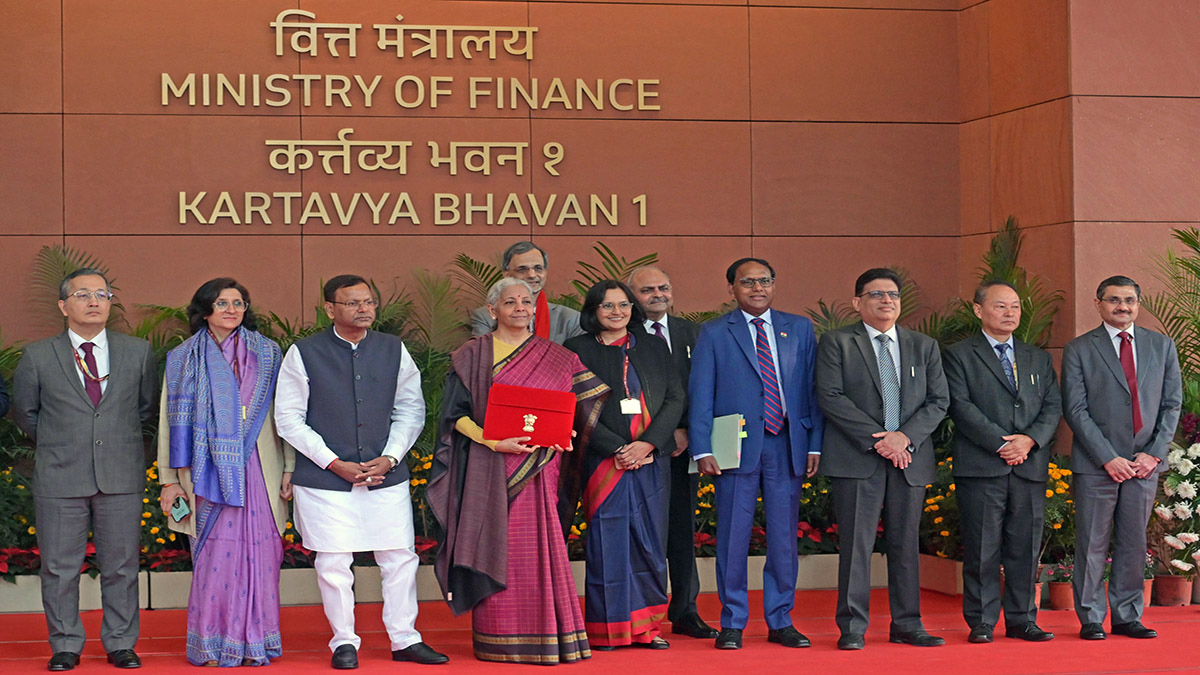
The broader policy framing for this spending came in the Budget speech by Finance Minister Nirmala Sitharaman, who emphasised that public capital expenditure continues to drive economic growth and infrastructure development. Her assertion that infrastructure investment remains a central pillar of the growth strategy places power sector reforms and grid modernisation within a wider economic narrative. Reliable and affordable electricity is both a productivity enhancer and a prerequisite for industrial expansion, digitalisation and improved quality of life.
Taken together, the 2026–27 power sector blueprint rests on three interconnected priorities. First is financial and operational reform of distribution utilities, without which sector sustainability remains elusive. Second is grid modernisation and regional integration, ensuring that rising demand and renewable integration do not compromise reliability. Third is preparation for a low-carbon future, through storage, efficiency and early support for carbon capture.
Challenges remain formidable. DISCOM debt and inefficiency continue to strain the system, storage technologies are still costly, and transmission expansion must keep pace with renewable deployment. Yet the fiscal signals suggest that policymakers understand these bottlenecks and are willing to invest in structural fixes rather than short-term relief. The emphasis on RDSS, storage and grid upgrades indicates a shift from simply adding megawatts to strengthening the system’s backbone.
In sum, the 2026–27 allocations show India’s power sector moving into a new phase of reform and modernisation. The focus is not just on how much electricity is generated, but on how efficiently it is delivered, how resilient the grid is to shocks and variability, and how prepared the system is for a decarbonising economy. If implemented effectively, this approach could lay the foundation for a power system that supports both rapid economic growth and long-term climate goals.