
India’s road and highway network in 2026–27 is being expanded and re-engineered at a scale that underscores the centrality of highways to the country’s economic strategy. The Union Budget allocations for the Ministry of Road Transport and Highways (MoRTH) show that roads remain the backbone of India’s infrastructure drive, linking markets, ports, industrial corridors and remote regions while also serving strategic and social objectives. The figures reveal not only massive construction outlays but also a maturing financing model built on tolls, asset monetisation and institutional innovation.
For 2026–27, MoRTH commands a net allocation of ₹3,09,875 crore, making it one of the largest capital-spending ministries in the Union Budget. Of this, ₹2,94,167 crore is capital expenditure and only ₹15,708 crore is revenue expenditure, highlighting that the ministry’s primary function is asset creation rather than service delivery. This capital-heavy profile places highways alongside railways as a principal driver of public infrastructure investment.
The dominant institutional engine of this spending is the National Highways Authority of India (NHAI). In 2026–27, NHAI receives ₹1,87,293 crore as investment support. This funding does not rely solely on direct budgetary grants; it is complemented by receipts from the Permanent Bridge Fee Fund (toll collections), monetisation of highway assets and Infrastructure Investment Trust (InvIT) structures. The model reflects a strategic shift from purely tax-funded construction to blended financing that leverages user charges and private capital, reducing pressure on the exchequer while sustaining rapid network expansion.
Alongside NHAI, the ministry’s own Roads Wing handles a significant portion of project execution, with ₹86,125 crore provided for direct works. These include two and four laning of highways, construction of roads in border and strategic areas, connectivity in Left Wing Extremism–affected districts and road links to tribal regions. The inclusion of ropeways and multi-modal logistics parks indicates a broader approach to transport integration, where highways are not isolated corridors but part of an interlinked logistics ecosystem.
The North East emerges as a strategic focus area. Under the Special Accelerated Road Development Programme (SARDP) for the North East, the budget provides ₹18,361 crore. Projects include frontier highways in Arunachal Pradesh and improved district and capital connectivity across northeastern states. These allocations are not just about economic integration but also about strengthening border infrastructure in geopolitically sensitive regions. Roads here serve as instruments of national security and regional development simultaneously.
Maintenance is receiving increasing attention as the network matures. The budget sets aside ₹5,020 crore for maintenance of national highways, funded through the Central Road and Infrastructure Fund (CRIF). While still modest compared to new construction, this allocation signals a shift toward asset preservation and lifecycle management, recognising that a rapidly expanding network must be sustained through regular upkeep to avoid deterioration and higher long-term costs.
Road safety, though a smaller component financially, is also part of the infrastructure story. ₹400 crore is allocated for road transport and safety schemes, covering research, accident relief, cashless treatment for road accident victims and national road safety data systems. The relatively small share of safety funding compared with construction outlays highlights an ongoing policy challenge: balancing rapid expansion with systemic improvements in road user safety.
States and Union Territories are not left out. Under CRIF, ₹9,810 crore is earmarked for state road schemes and ₹620 crore for Union Territory Road works. These transfers allow subnational governments to upgrade important state highways and rural link roads, ensuring that national corridor expansion is matched by feeder connectivity at the local level. This layered approach strengthens the overall road network rather than creating isolated expressways.
The largest single accounting head within the ministry remains capital outlay on roads and bridges at ₹2,75,772 crore, dwarfing other transport segments. By comparison, capital outlay on road transport infrastructure such as vehicle testing stations and transport IT systems stands at a token ₹30 crore, underscoring that physical highways still dominate the sector’s capital profile.
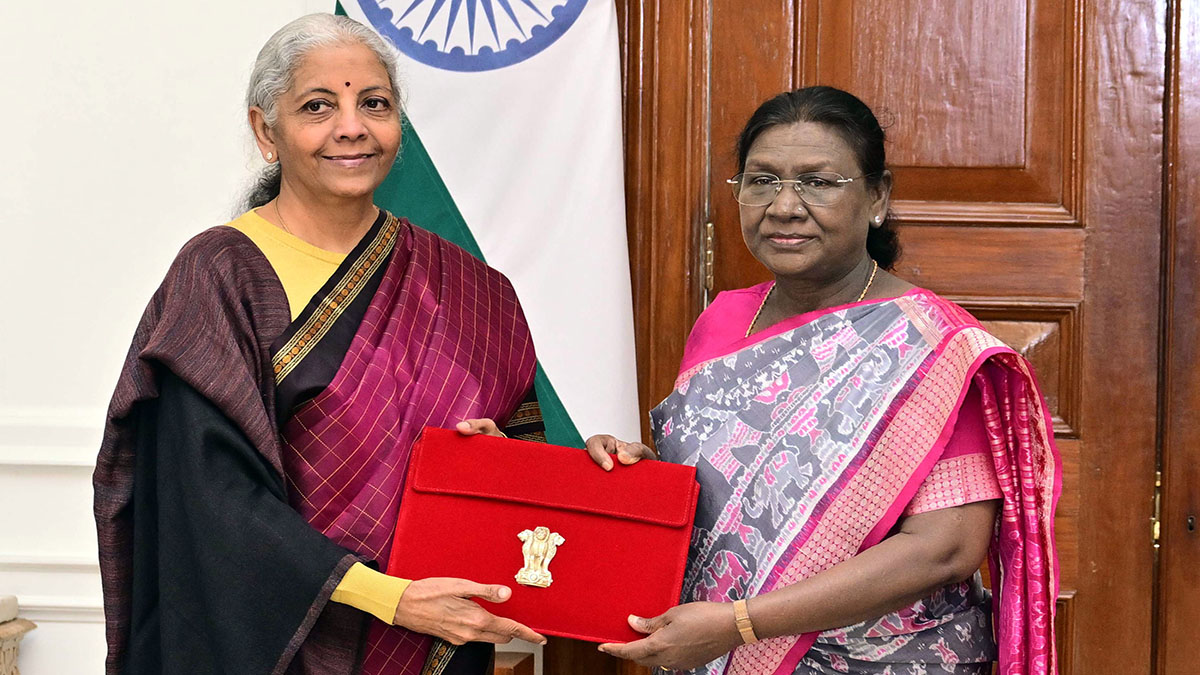
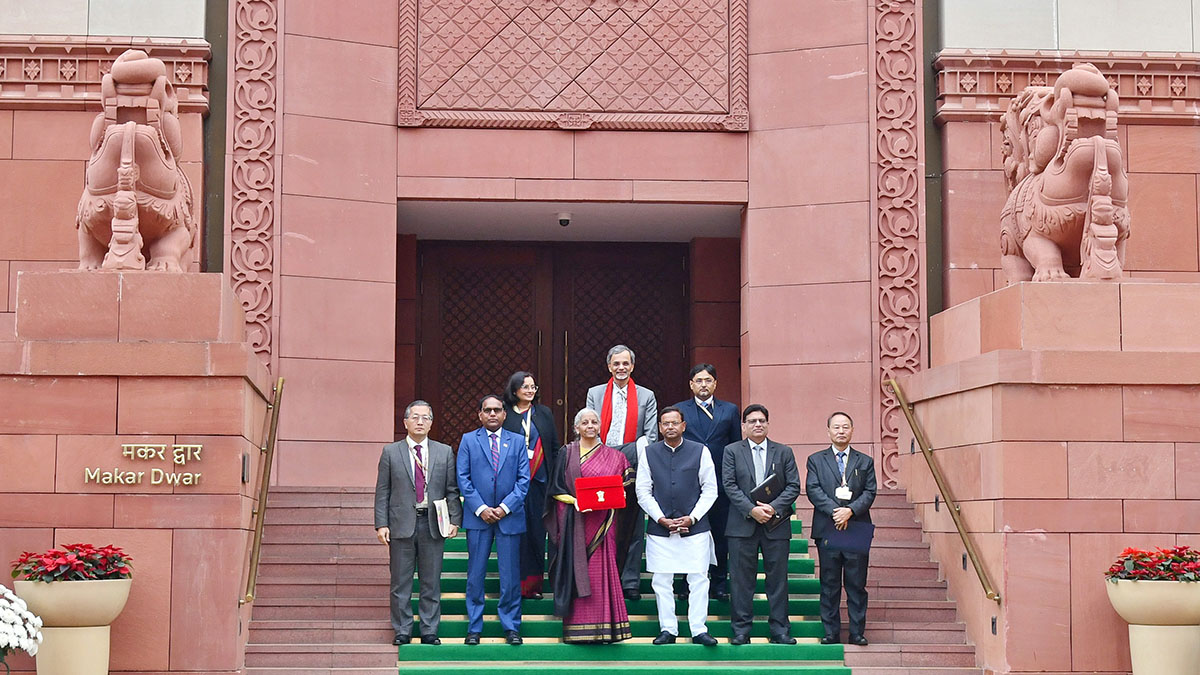
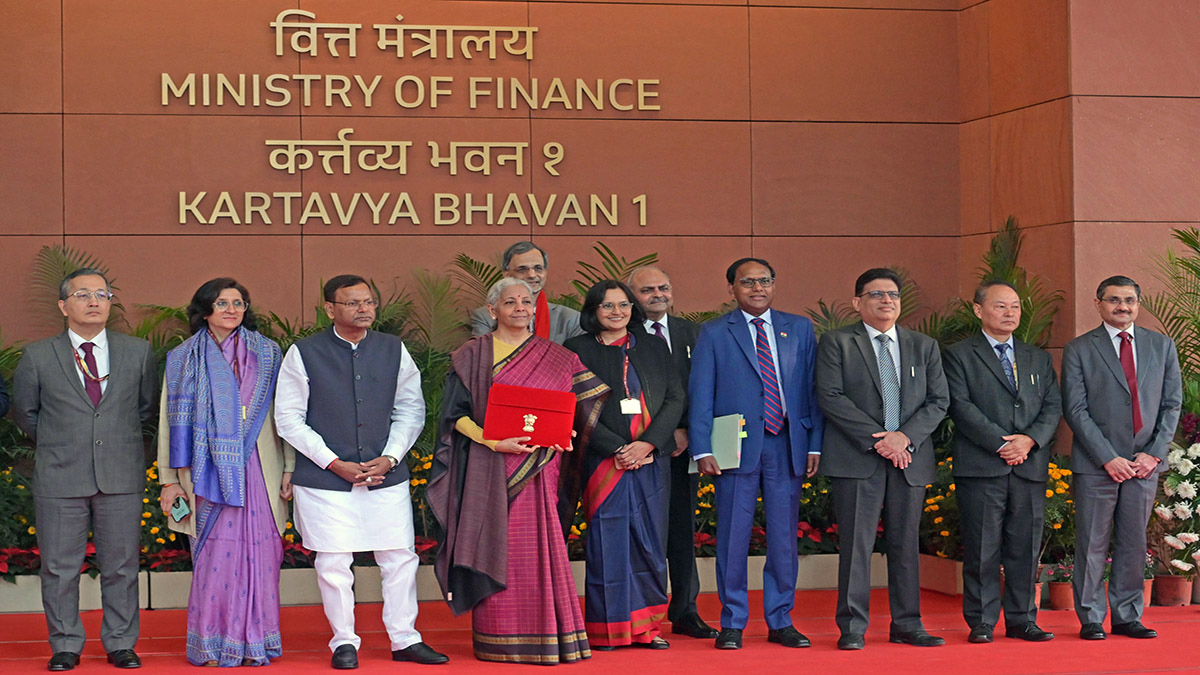
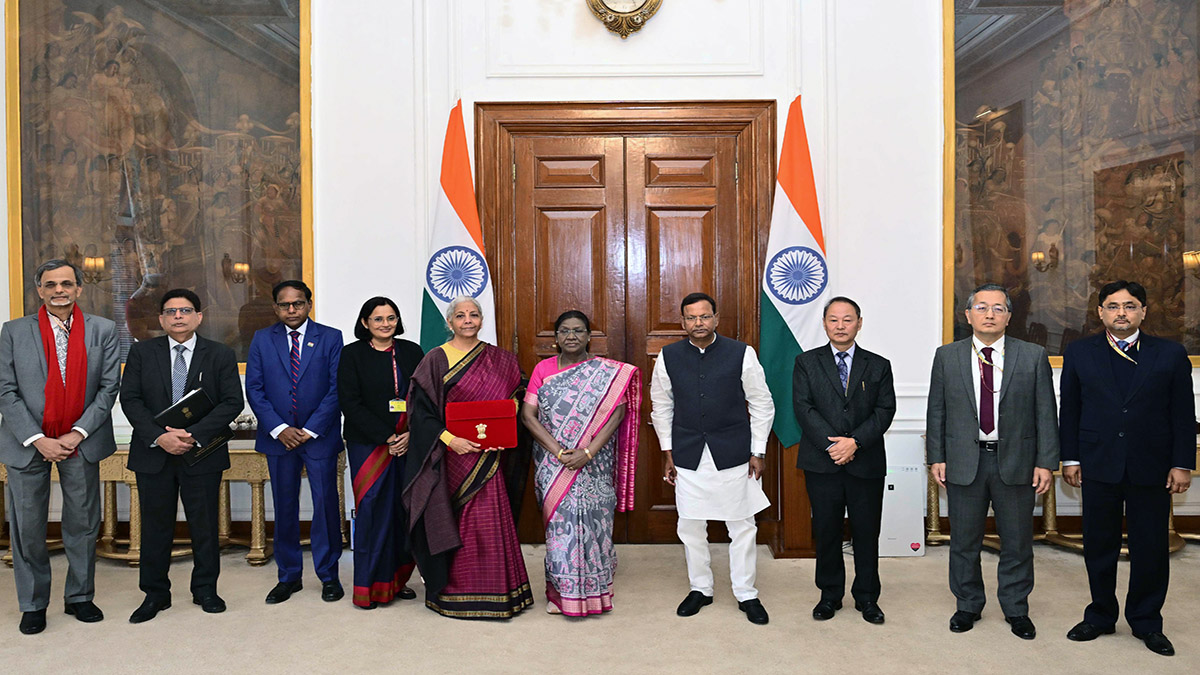
The policy narrative behind this spending was articulated by Finance Minister Nirmala Sitharaman in her Budget speech, where she reaffirmed that infrastructure investment remains a cornerstone of the government’s growth strategy. Her emphasis that sustained public capital expenditure is vital to crowd in private investment situates the highways programme within a broader macroeconomic framework: large-scale public works stimulating demand, employment and industrial activity. Roads, with their extensive supply chains in cement, steel, construction equipment and services, are central to that multiplier effect.
The 2026–27 allocations thus reflect three interconnected priorities. First is capacity expansion, with massive funding for new highways, widening and strategic corridors. Second is financial innovation, as NHAI leverages toll-backed funds, monetisation and InvITs to sustain investment beyond direct budgetary support. Third is regional and strategic integration, visible in heavy spending in the North East and border areas.
Yet challenges accompany this expansion. Rising debt levels at NHAI, land acquisition delays and environmental clearances can slow project execution. Maintenance funding, though increasing, remains smaller than required for a rapidly expanding asset base. Road safety outcomes also lag behind construction achievements. Balancing speed of expansion with sustainability and safety will be critical to the long-term success of the highway programme.
Nevertheless, the direction is unmistakable. Highways are being treated not merely as transport routes but as economic arteries linking production centres, logistics hubs and consumption markets. By investing at this scale and experimenting with new financing models, the government is betting that improved road connectivity will unlock productivity gains, reduce logistics costs and integrate remote regions into the national economy. In 2026–27, India’s road and highway infrastructure push stands as one of the clearest expressions of the country’s infrastructure-led development strategy.