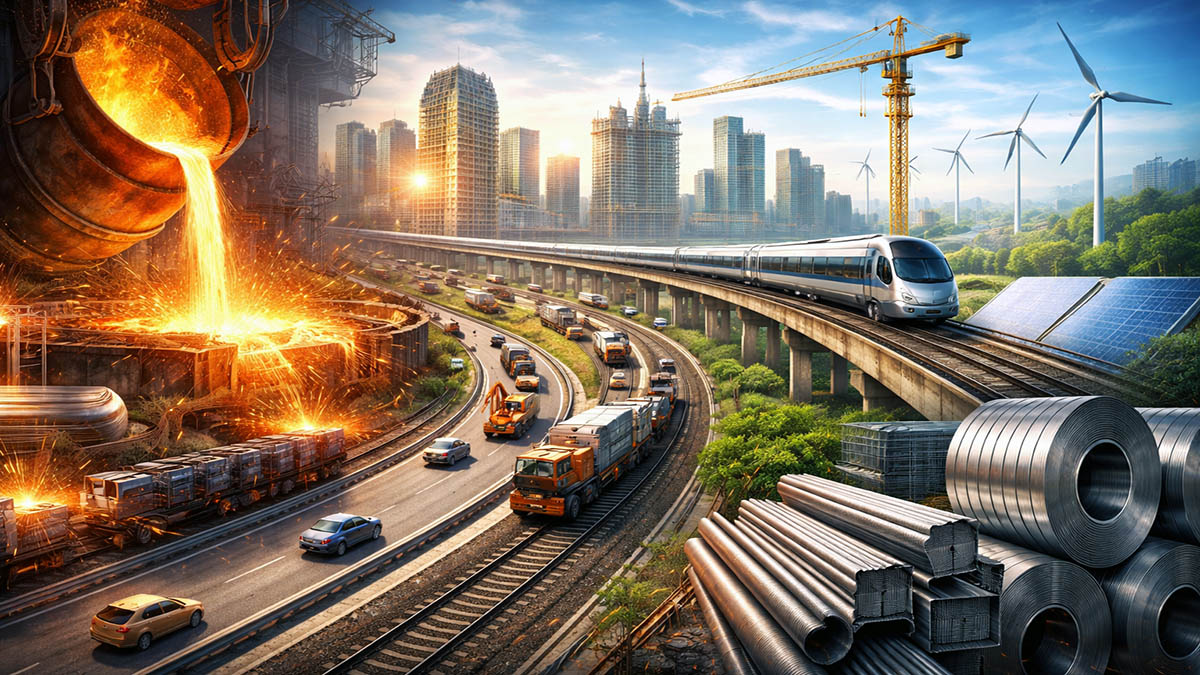

India’s steel sector in 2026–27 is being steered through a quiet but significant policy transition, with the Union Budget signalling a move away from large-scale fiscal support for struggling public enterprises and toward targeted industrial incentives aimed at upgrading technological capability and value addition. The allocations under the Ministry of Steel show a leaner ministry budget on paper, but a much larger investment story unfolding through public sector capital expenditure and production-linked incentives designed to reshape the composition of India’s steel output.
The ministry’s net allocation for 2026–27 stands at ₹443 crore, comprising ₹439.84 crore in revenue expenditure and just ₹3.34 crore in capital outlay. This is a sharp drop from earlier years when large equity infusions were extended to public sector steel companies. The smaller budget does not indicate retreat from the sector; rather, it reflects a shift in approach. Direct fiscal support to individual companies has tapered, while policy tools aimed at catalysing private and public investment are taking centre stage.
The flagship instrument of this new strategy is the Production Linked Incentive (PLI) Scheme for Specialty Steel, which receives ₹380 crore in 2026–27. This is the single largest scheme allocation under the ministry and signals a deliberate pivot toward high-grade steel segments such as coated, alloyed and automotive-grade products. These are the categories where India has traditionally relied on imports despite being one of the world’s largest crude steel producers. By incentivising domestic production of specialty grades, the government aims to deepen the value chain, reduce import dependence and position Indian producers in higher-margin global markets.
Supporting this industrial upgrade is a smaller but symbolically important allocation of ₹6 crore under the Scheme for Promotion of Research and Development in the Iron and Steel Sector. This funding supports R&D projects of national importance, including process innovation and advanced materials research. While modest in size, such spending reflects recognition that competitiveness in steel is increasingly determined by technology, efficiency and product differentiation rather than only by scale.
Another niche allocation of ₹7 crore is provided for the Flagging of Merchant Ships in India scheme. Though not directly tied to steel production, this subsidy supports Indian-flagged vessels in transporting government cargo, indirectly benefiting domestic steel logistics and export competitiveness by strengthening maritime capacity.
The contrast between the ministry’s modest budget and the scale of sectoral investment becomes clear when examining public sector enterprises. Planned investments through internal and extra-budgetary resources (IEBR) for 2026–27 show that Steel Authority of India Limited (SAIL) alone will invest ₹15,000 crore, while NMDC Limited will invest ₹9,000 crore. Other mineral and steel-linked PSUs such as MOIL (₹800 crore), KIOCL (₹100 crore), MECON (₹15 crore), MSTC (₹10 crore) and NMDC Steel Limited (₹100 crore) add to a total PSU investment plan of about ₹25,125 crore. These figures dwarf direct budgetary allocations and underscore that the real drivers of capacity creation and modernisation lie within PSU balance sheets rather than ministry grants.
Historically, a large portion of the ministry’s capital support was directed toward Rashtriya Ispat Nigam Limited (RINL) in the form of equity infusions. In earlier years, thousands of crores were allocated to stabilise the company’s finances. By 2026–27, such capital provisions have largely ceased, reflecting either improved financial management or a shift toward restructuring and market-based solutions. Similarly, provisions relating to Hindustan Steelworks Construction Limited (HSCL) involve accounting adjustments rather than fresh cash outgo, indicating that legacy liabilities are being managed administratively rather than through new spending.
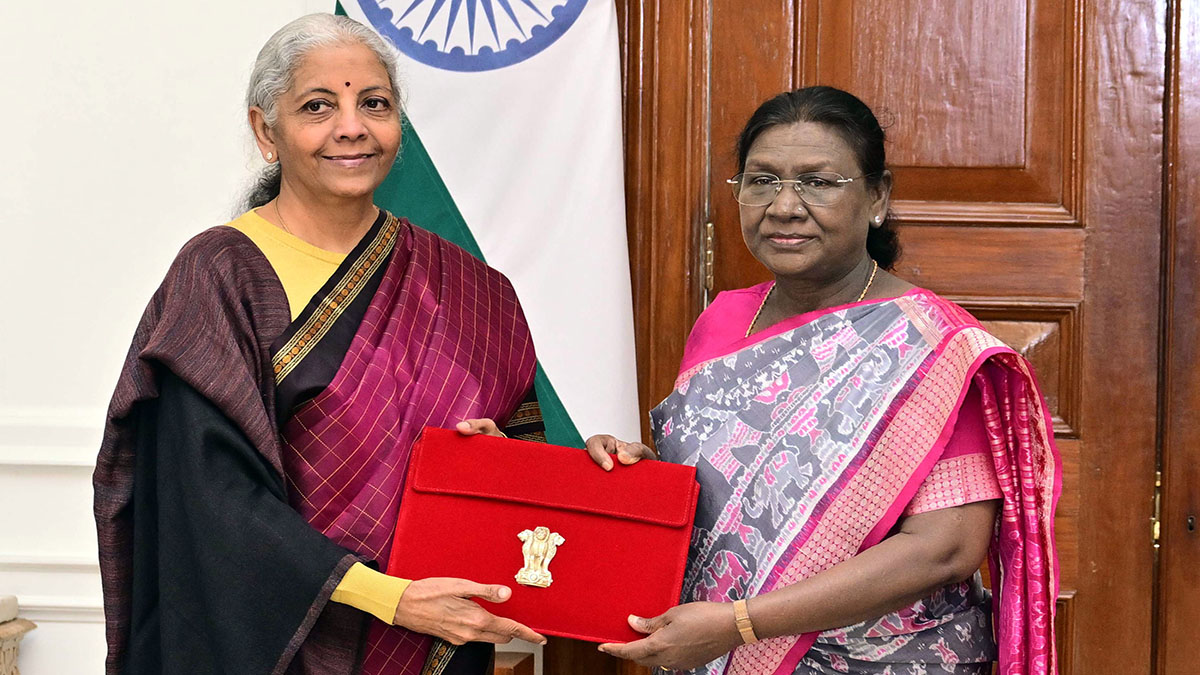
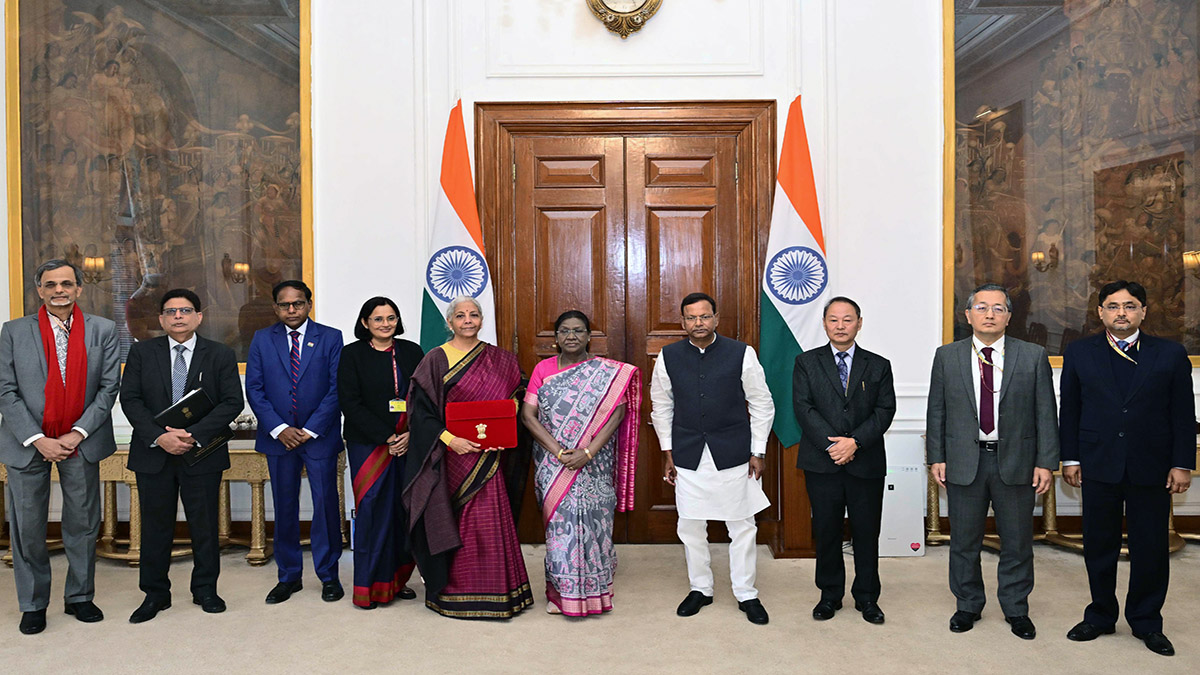
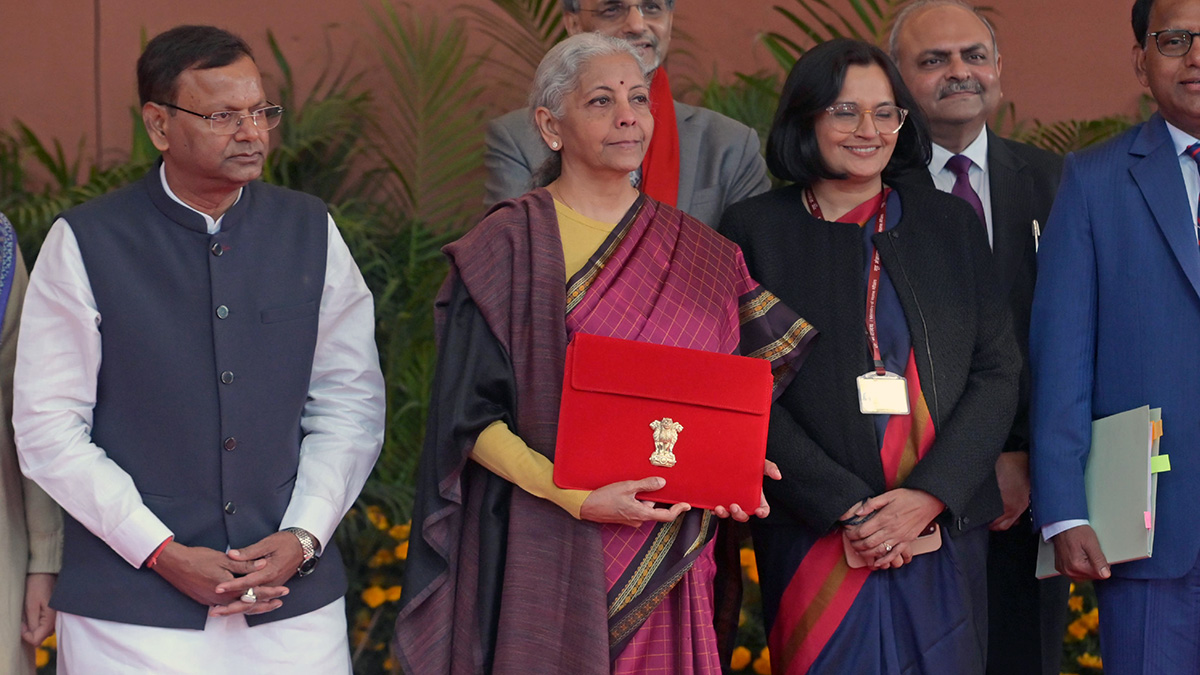
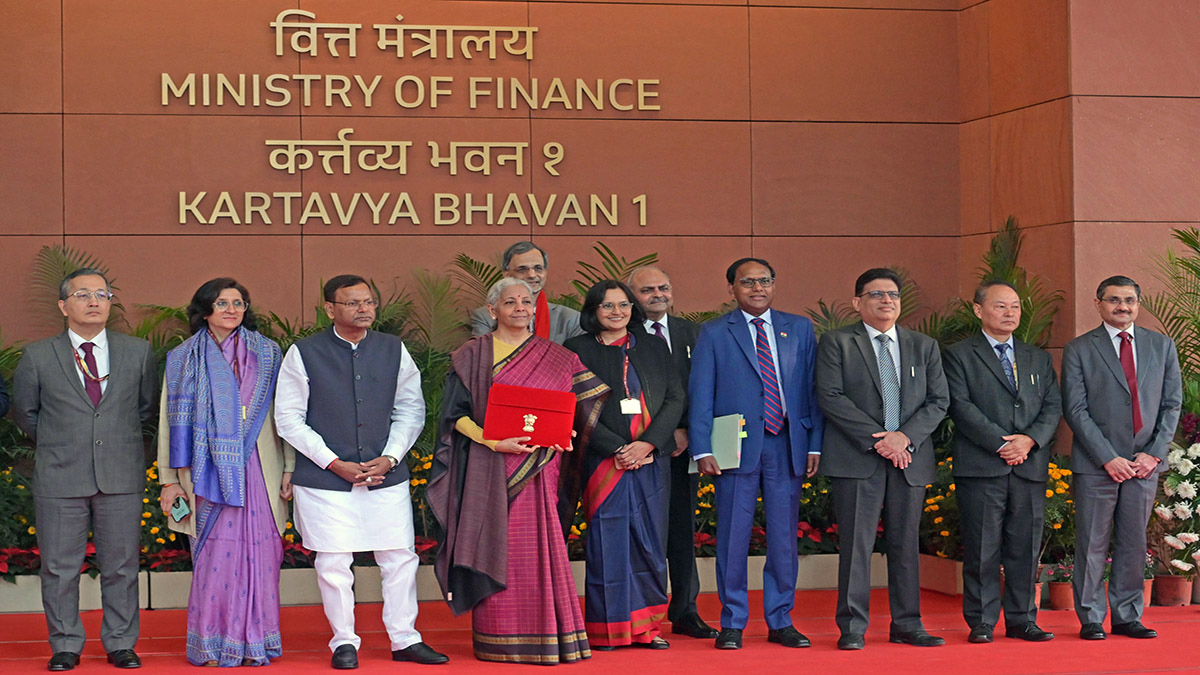
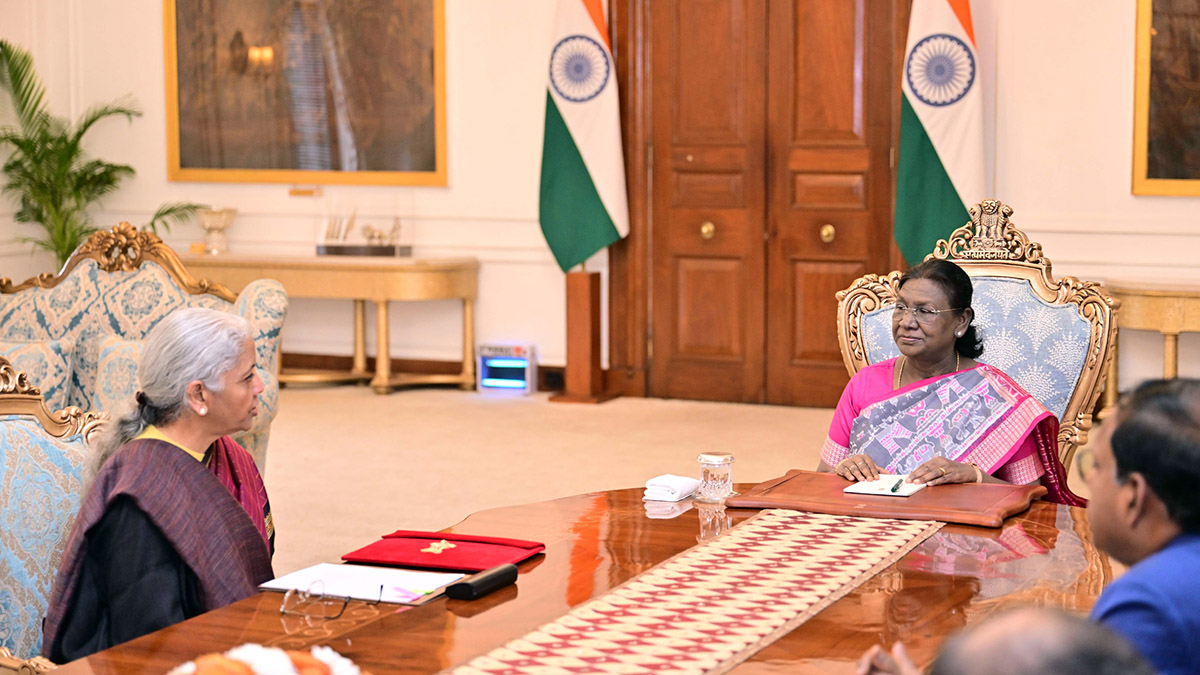
The broader industrial narrative was echoed in the Budget speech by Finance Minister Nirmala Sitharaman, who highlighted the government’s commitment to manufacturing-led growth and production-linked incentives across sectors. Her emphasis on strengthening domestic manufacturing capacity and integrating Indian industry into global supply chains provides the macroeconomic backdrop for the specialty steel PLI. Steel, as a foundational material for infrastructure, automobiles, renewable energy and defence, sits squarely within that industrial policy vision.
From a strategic standpoint, the 2026–27 steel budget reveals three major priorities. First is value addition over volume. India already has substantial crude steel capacity, but higher-grade segments offer better margins and export potential. Second is technology and efficiency, reflected in R&D support and PSU modernisation investments. Third is integration with upstream mineral security, as investments by NMDC and MOIL ensure steady supplies of iron ore and manganese, essential inputs for steelmaking.
Yet challenges remain. The global steel market is volatile, with oversupply, trade barriers and carbon border adjustment mechanisms reshaping competitive dynamics. Decarbonisation pressures are also mounting, as steel is one of the most carbon-intensive industries. While the current budget focuses on specialty production and capacity, future allocations may increasingly need to address green steel technologies, hydrogen-based processes and carbon capture to maintain export competitiveness in a carbon-constrained world.
The fiscal stance of 2026–27 thus signals a maturing steel policy. Rather than heavy-handed bailouts or blanket subsidies, the government is deploying targeted incentives and relying on PSU investment muscle to drive sectoral transformation. If the specialty steel push succeeds, India could reduce import dependence, move up the technological ladder and align its steel industry more closely with the needs of advanced manufacturing and infrastructure expansion. In that sense, the relatively small ministry budget belies a much larger strategic ambition: to reposition Indian steel from a volume-driven commodity sector to a technology-enabled pillar of industrial growth.