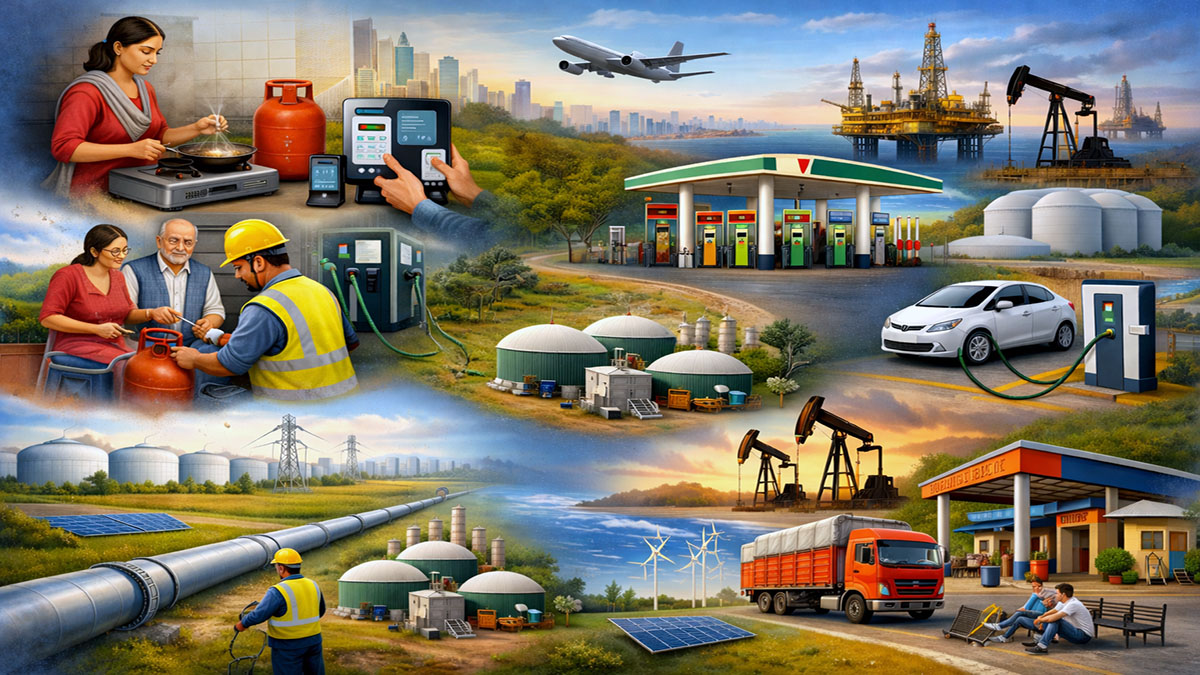

India’s petroleum and natural gas sector in 2026–27 reflects a complex balancing act between consumer welfare, energy security, exploration ambition and gradual diversification toward cleaner fuels. The Union Budget documents show that while India is accelerating its renewable energy push, hydrocarbons remain deeply embedded in the country’s economic and social framework. The allocations for the Ministry of Petroleum and Natural Gas reveal a system where subsidies, strategic reserves and public sector investment continue to shape the energy landscape at scale.
The ministry’s net allocation for 2026–27 stands at ₹30,443 crore, with ₹30,205 crore in revenue expenditure and only ₹238 crore in capital outlay. This structure makes clear that petroleum spending is driven less by infrastructure creation and more by financial transfers, primarily subsidies and strategic operational expenses. An additional ₹1,000 crore is to be met from the Oil Industry Development Fund (OIDF) toward financing LPG connections for poor households, highlighting the continued use of off-budget mechanisms to sustain social energy programmes.
Liquefied Petroleum Gas remains the dominant fiscal priority. Total LPG-related subsidy outgo in 2026–27 amounts to ₹11,084.5 crore, covering multiple components. The Direct Benefit Transfer (DBT) LPG subsidy receives ₹1,500 crore, ensuring targeted support to households. The flagship scheme providing LPG connections to poor households is allocated ₹9,200 crore, continuing the expansion of clean cooking access. Additional support of ₹1,103 crore is earmarked for other subsidies, including freight and regional support in the Northeast. Together, these lines demonstrate that clean cooking access and affordability remain at the heart of petroleum policy, despite broader energy transition narratives.
Beyond routine subsidies, the government has provided a massive ₹17,500 crore one-time grant to public sector oil marketing companies (OMCs) to compensate for under-recoveries on domestic LPG sales. This extraordinary payout underscores the political and economic sensitivity of household fuel prices. Rather than allowing price increases to fully pass through to consumers, the government has absorbed the fiscal burden to shield households, particularly low-income families, from energy inflation.
Energy security also features prominently through continued support to India’s Strategic Petroleum Reserves (SPR). Allocations total ₹200 crore in 2026–27, including ₹180 crore for operation and maintenance of existing underground crude storage facilities at Visakhapatnam, Mangalore and Padur, and ₹20 crore for Phase-II cavern construction. While earlier years saw larger capital allocations for crude purchase and storage expansion, the current focus appears to be on maintaining and gradually expanding storage infrastructure, ensuring a buffer against global supply disruptions.
The budget also reflects India’s effort to diversify its hydrocarbon base and promote cleaner alternatives within the petroleum ecosystem. The Pradhan Mantri JI-VAN Yojana receives ₹196.94 crore to support second-generation bioethanol plants based on agricultural residue and other renewable feedstock. A ₹100 crore scheme for biomass collection and ₹20 crore for developing pipeline infrastructure to inject Compressed Bio Gas (CBG) into city gas networks complement this effort. Though small compared with LPG subsidies, these allocations indicate a gradual shift toward integrating biofuels into India’s fuel mix, reducing dependence on imported crude and lowering emissions from the transport sector.
Natural gas infrastructure expansion remains a regional development priority. The Indradhanush Gas Grid Limited (IGGL) project, part of the North East natural gas pipeline grid, receives ₹700 crore as viability gap funding. This investment aims to extend gas connectivity to remote northeastern states, supporting industrial development, urban gas distribution and cleaner fuel access in a region historically underserved by energy infrastructure.
Exploration has not been sidelined despite the energy transition discourse. Mission Anveshan is allocated ₹200 crore to conduct 2D seismic acquisition and interpretation over 20,275 line kilometres, aimed at identifying new hydrocarbon prospects. The budget also references appraisal of areas in India’s Extended Continental Shelf, indicating continued efforts to map offshore resources. These measures show that domestic oil and gas discovery remains a strategic objective, helping reduce import dependence in an era of geopolitical volatility.
The scale of investment by public sector enterprises dwarfs direct budgetary support. Total planned investment by oil and gas PSUs through internal and extra-budgetary resources exceeds ₹1.33 lakh crore. In the exploration and production segment, Oil and Natural Gas Corporation (ONGC) leads with ₹30,000 crore, followed by Oil India Limited (₹8,653 crore) and ONGC Videsh (₹7,264 crore). In refining and marketing, Indian Oil Corporation plans ₹28,641 crore, Bharat Petroleum Corporation Limited (BPCL) ₹13,000 crore and Hindustan Petroleum Corporation Limited (HPCL) ₹9,521 crore. These investments underscore that India’s fossil energy system is still expanding and modernising, even as renewables grow.
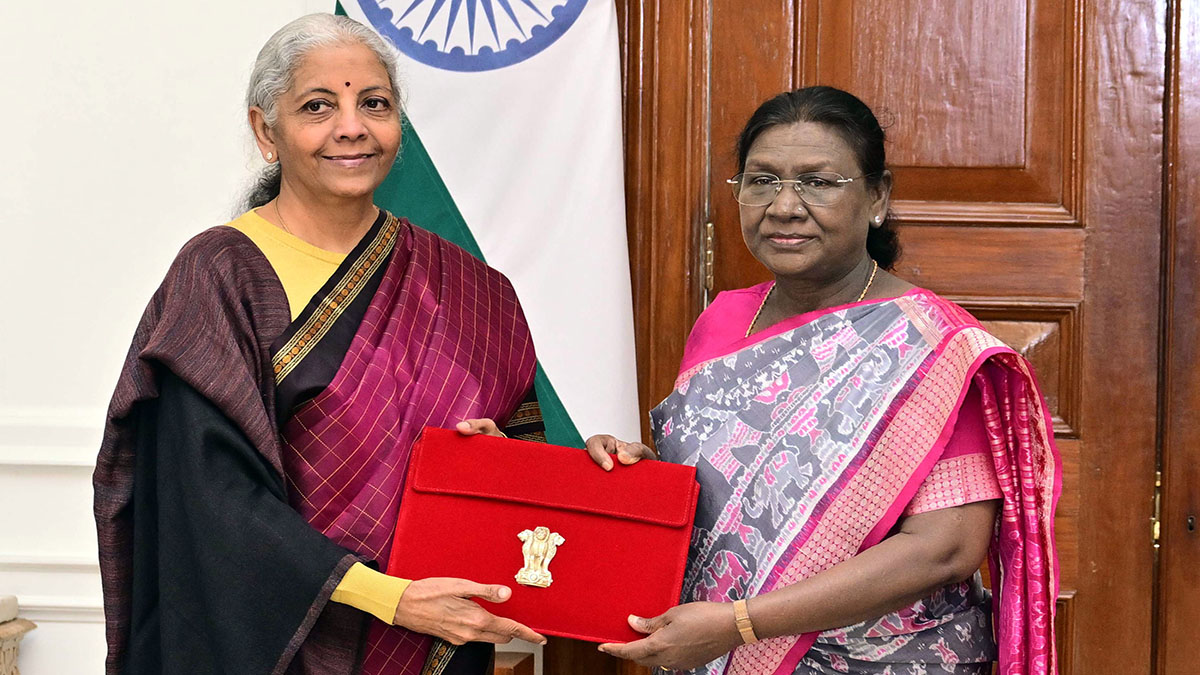
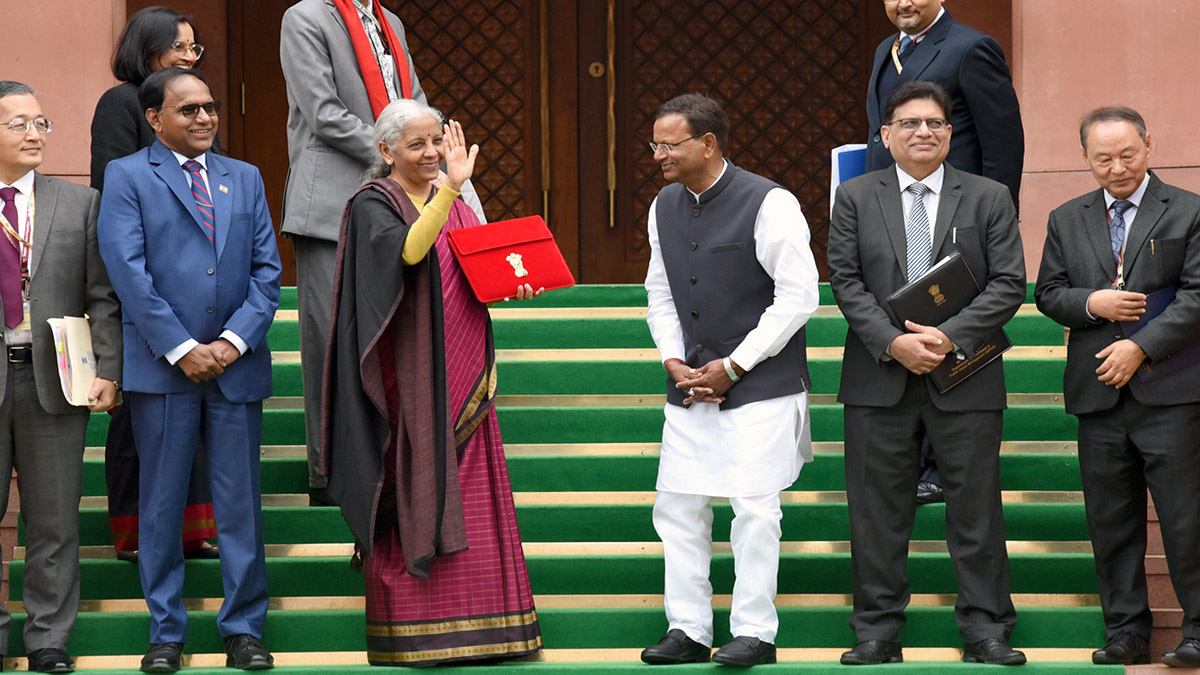
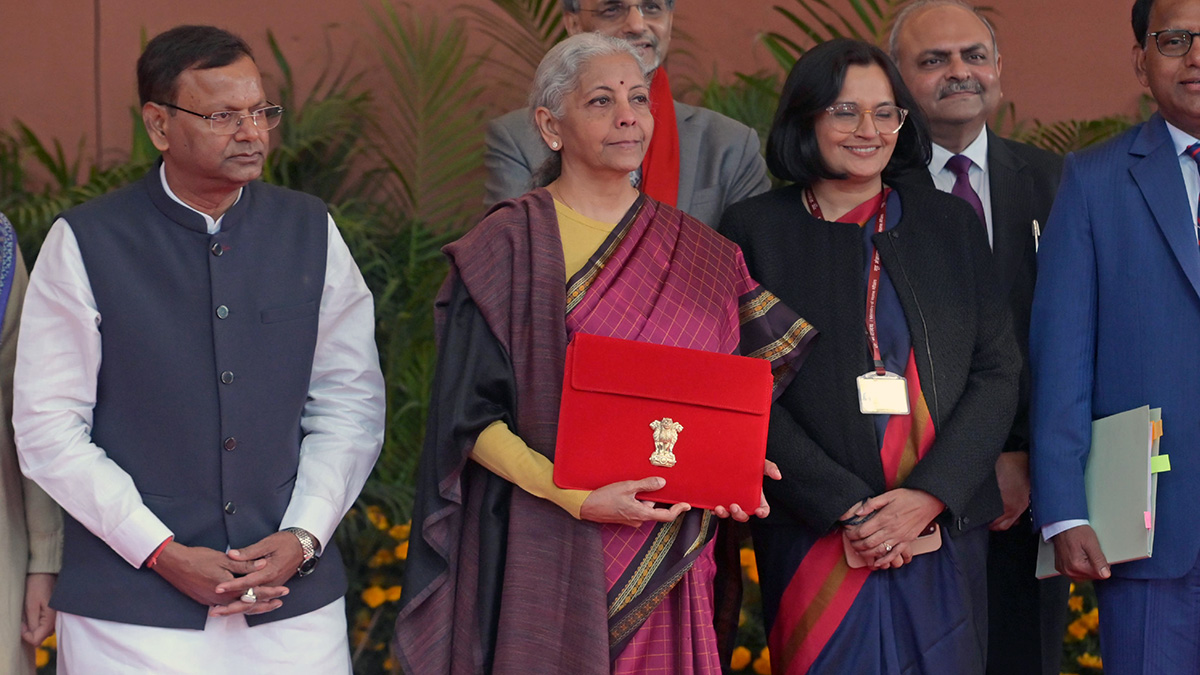
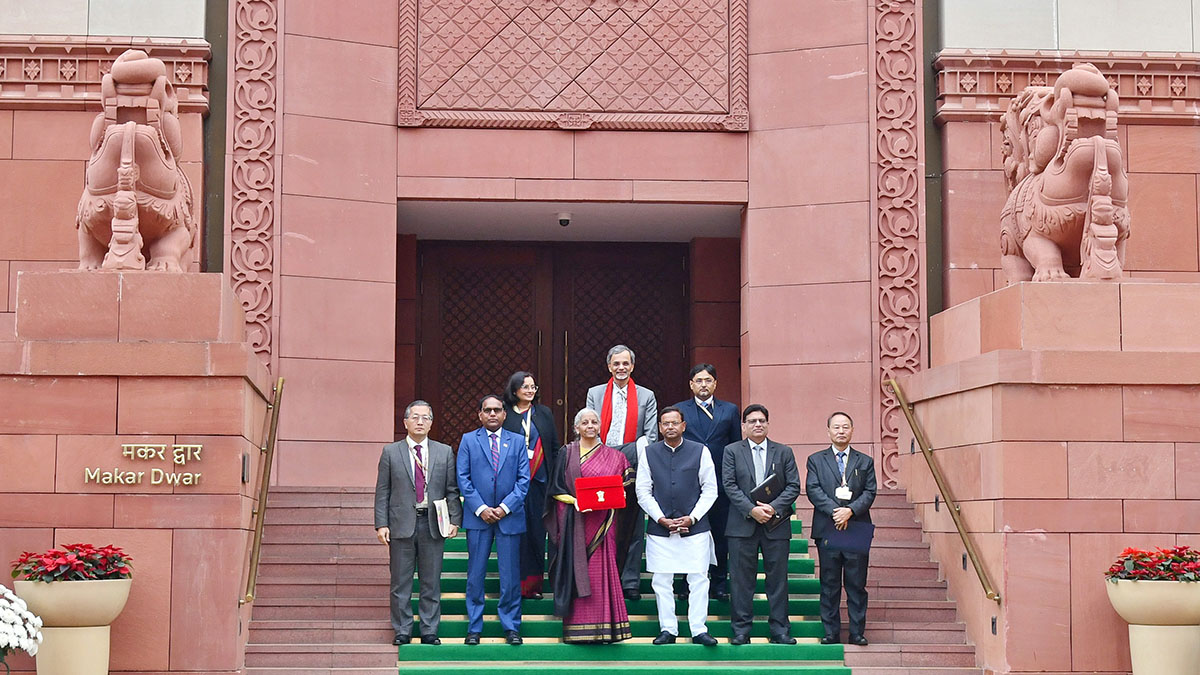
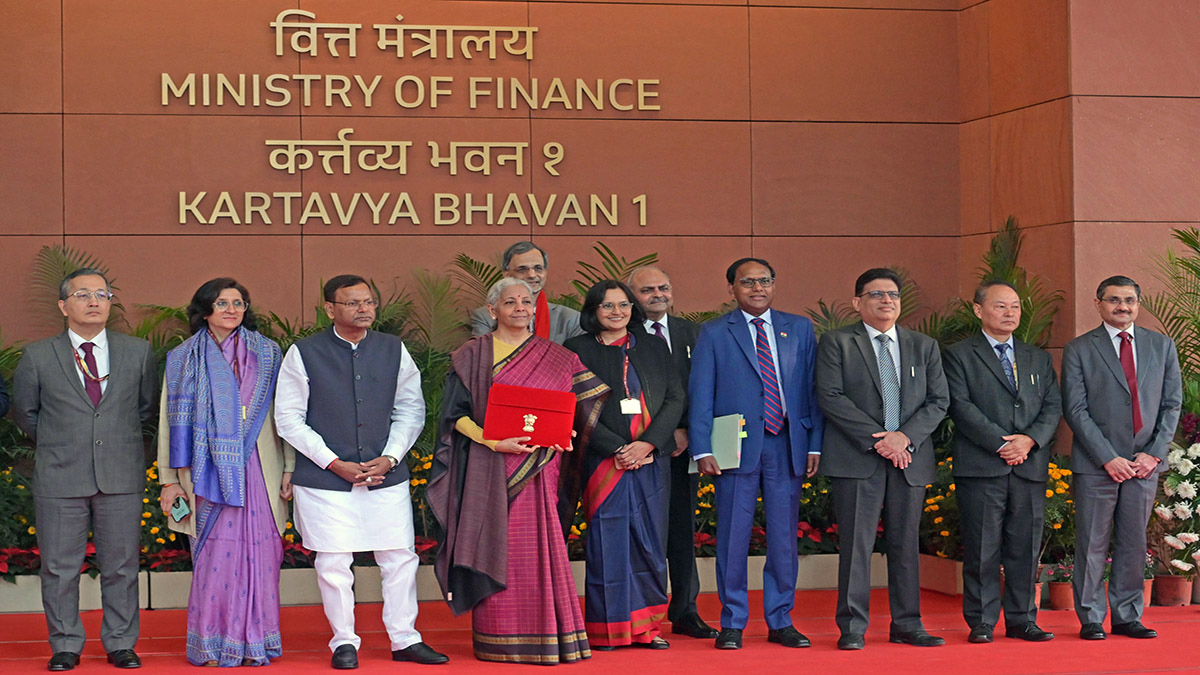
The political framing of these allocations was articulated by Finance Minister Nirmala Sitharaman in her Budget speech, where she emphasised the need to ensure “long-term energy security and stability” while advancing the transition to cleaner sources. That statement captures the dual track of India’s energy policy: protect consumers and secure supplies in the present, while gradually reshaping the system for the future.
Taken together, the 2026–27 petroleum and natural gas budget reveals three defining priorities. First is energy affordability, with LPG subsidies and compensation to OMCs absorbing a large fiscal share. Second is energy security, through strategic reserves and continued exploration. Third is measured diversification, with biofuels, CBG and gas infrastructure laying groundwork for a lower-carbon future within the hydrocarbon framework.
The challenge ahead lies in managing this transition without destabilising either public finances or energy access. Subsidy burdens are heavy, PSU investments remain fossil-centric, and global markets are volatile. Yet the budget signals that India is not attempting an abrupt break from hydrocarbons. Instead, it is pursuing a calibrated strategy cushioning consumers, strengthening security buffers and gradually integrating cleaner fuels in recognition that petroleum and natural gas will remain central to India’s energy mix for years to come.