
India’s clean energy transition enters 2026–27 with unprecedented fiscal backing, as the Ministry of New and Renewable Energy (MNRE) commands one of the fastest-growing allocations in the Union Budget. The numbers reveal not just incremental growth but a structural shift in how India is financing its energy future with rooftop solar, agricultural solarisation and green hydrogen at the core of a strategy that blends climate ambition with energy security and industrial policy.
The ministry’s net allocation for 2026–27 stands at ₹32,915 crore, up sharply from the previous year’s revised estimates. Almost the entire outlay is revenue expenditure, reflecting the subsidy- and incentive-driven nature of renewable deployment rather than direct government construction. This surge signals that the transition is moving from pilot stages into mass adoption, where public funds catalyse private and household investment at scale.
Solar energy dominates the landscape. Total allocations under solar programmes reach ₹30,539 crore, accounting for more than 90% of MNRE’s scheme spending. The flagship PM Surya Ghar Muft Bijli Yojana alone receives ₹22,000 crore, making it the single largest renewable energy programme in India’s history. Designed to promote rooftop solar installations for households, the scheme aims to turn consumers into ‘prosumers’, lowering electricity bills while decentralising power generation. This shift toward distributed energy marks a new phase of India’s solar mission, where the rooftop becomes as important as the solar park.
Complementing household solar is the rural transformation under PM-KUSUM, which receives ₹5,000 crore in 2026–27. The scheme supports installation of standalone solar pumps and the solarisation of existing grid-connected agricultural pumps. By replacing diesel irrigation and reducing farm power subsidies, KUSUM addresses both energy and agricultural reform. It links climate mitigation with farmer income stability, illustrating how renewable energy policy is being embedded in rural development strategy rather than treated as a standalone climate measure.
Utility-scale solar is not being neglected. The Solar Power (Grid) programme component is allocated ₹1,775 crore, sustaining large-scale installations that feed directly into the national grid. These projects remain vital for meeting India’s ambitious capacity targets and providing bulk clean power for industry and urban centres. Together with rooftop and agricultural solar, they create a three-tiered solar ecosystem spanning households, farms and utilities.
While solar commands the lion’s share, other renewable sources maintain a presence. Wind power (grid) receives ₹500 crore, reflecting continued though moderated support for a mature sector facing land and transmission constraints. Small hydro power is allotted ₹50 crore for grid-connected projects and a token amount for off-grid systems. These allocations suggest diversification remains policy doctrine, even if solar is currently the dominant growth engine.
Grid integration remains a critical challenge as renewable capacity surges. The Green Energy Corridor scheme is allocated ₹600 crore to strengthen intra-state transmission networks. This funding supports thousands of circuit kilometres of transmission lines, ensuring that renewable electricity generated in remote locations can reach demand centres. Without such investments, renewable growth risks being stranded by congestion and curtailment.
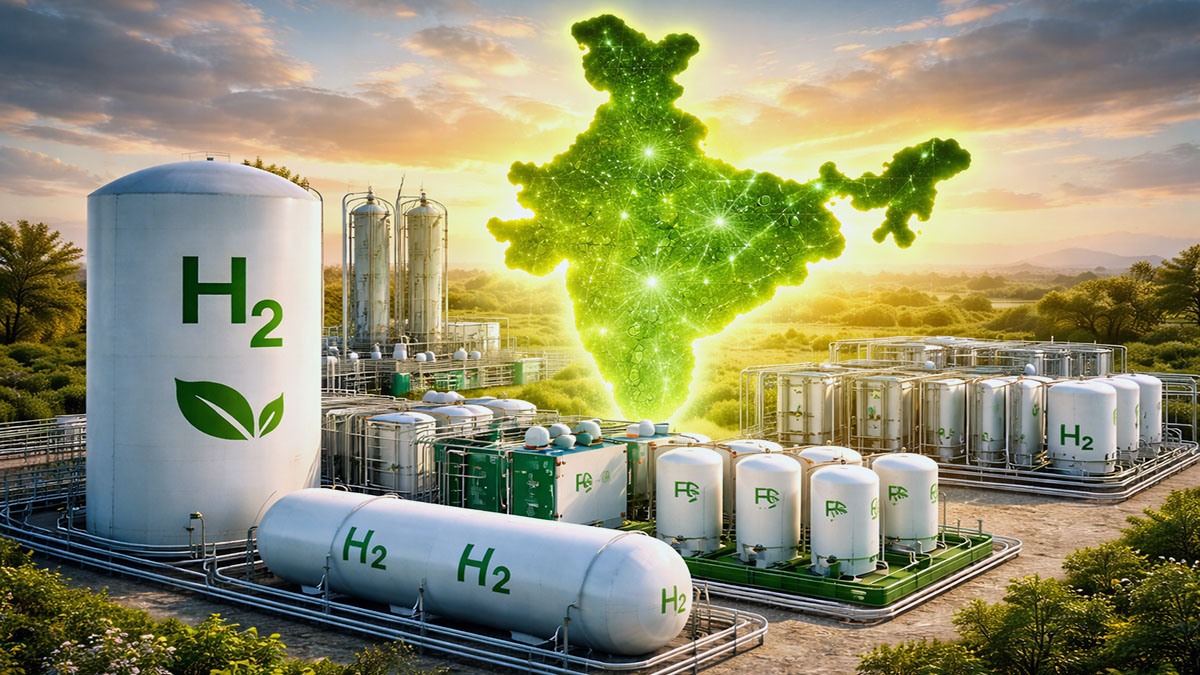
Looking beyond power generation, the National Green Hydrogen Mission receives ₹600 crore in 2026–27. Though small compared with solar allocations, hydrogen is a strategic frontier aimed at decarbonising industries such as refining, fertilisers and steel. The mission seeks to position India as a global hub for green hydrogen production, usage and export. Its inclusion underscores the government’s recognition that deep decarbonisation will require new molecules as well as electrons.
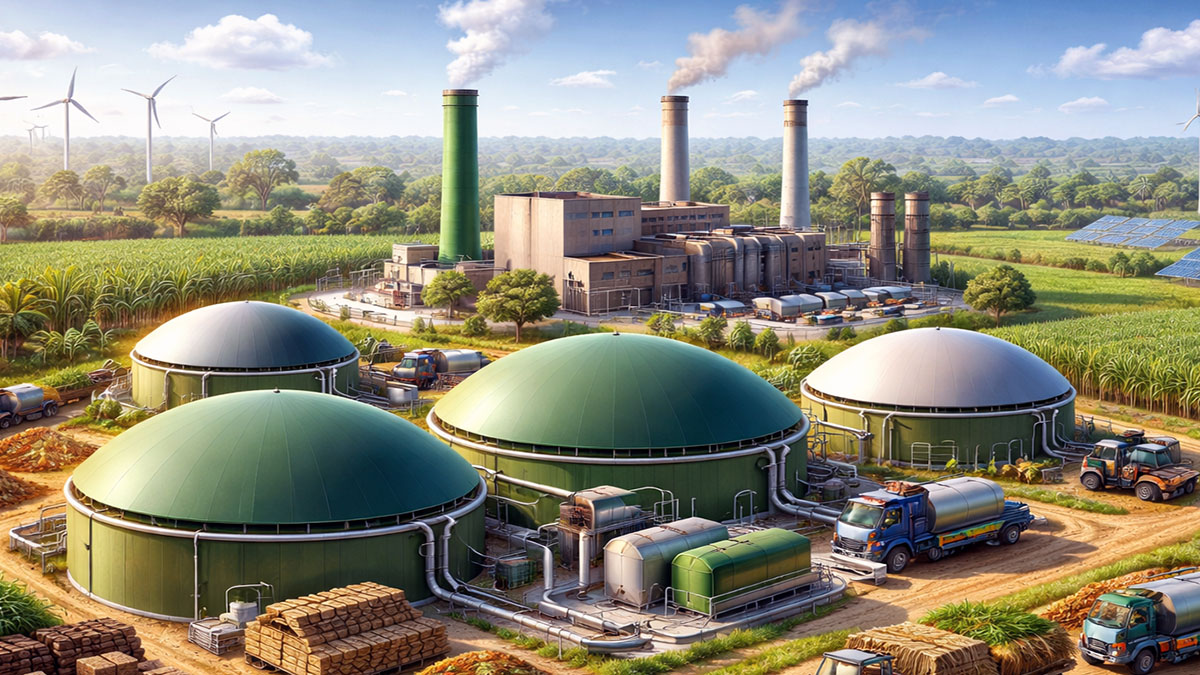
Bioenergy programmes receive ₹275 crore, covering off-grid biomass power and biogas plants for clean cooking fuel. While modest in fiscal scale, these schemes play an important role in waste-to-energy solutions and rural clean energy access. They represent the ‘circular economy’ dimension of India’s renewable strategy, where agricultural and organic waste become energy resources.
Institutional and knowledge support continues alongside deployment. Research and development in renewable technologies receives ₹46 crore, while human resource development and training account for ₹40 crore. India also maintains its global renewable leadership through ₹100 crore in support to the International Solar Alliance, reinforcing its role as a diplomatic champion of solar energy cooperation. These softer investments ensure the transition is backed by skills, innovation and global engagement.
Beyond direct budgetary support, public financial institutions are scaling up dramatically. Investment plans show that Indian Renewable Energy Development Agency (IREDA) will mobilise over ₹40,000 crore, while the Solar Energy Corporation of India (SECI) plans nearly ₹2,825 crore. These entities leverage market borrowings and structured finance to multiply the impact of government incentives, enabling gigawatt-scale projects that dwarf direct budget allocations. In effect, MNRE’s budget acts as a catalyst for a much larger flow of capital.
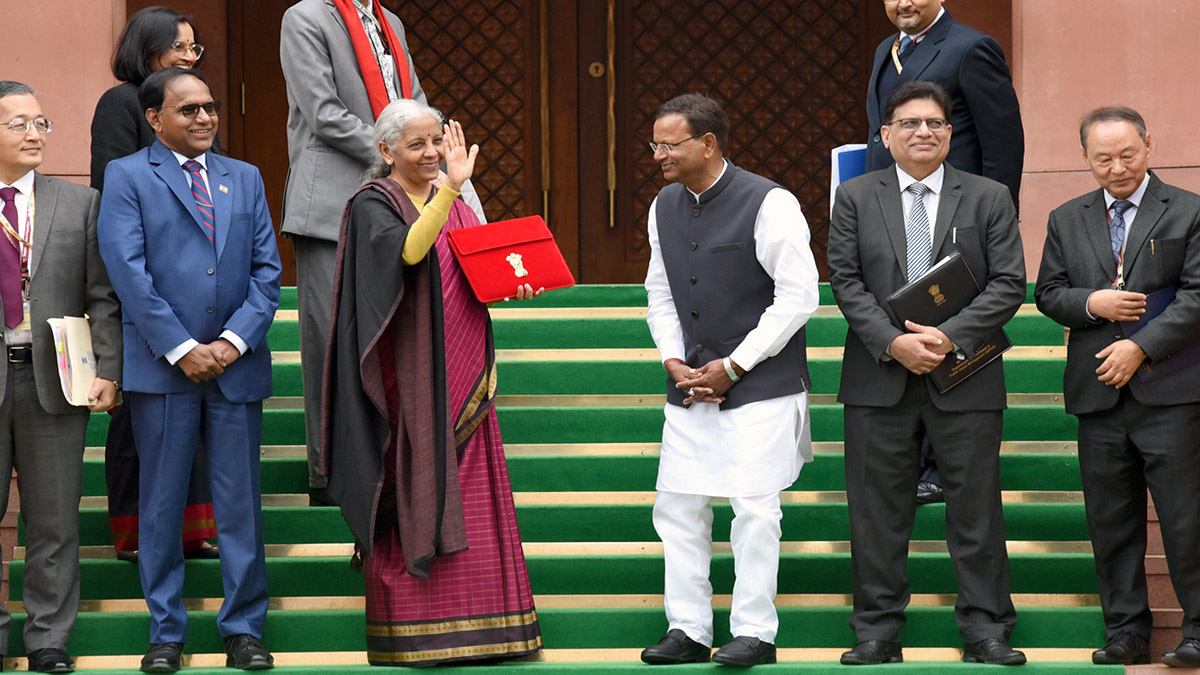
The policy vision behind this spending was articulated in the Budget speech by Finance Minister Nirmala Sitharaman, who underscored the importance of clean energy in India’s growth model. She emphasised that India is advancing ‘green growth’ as a core pillar of development, with renewable energy and emerging technologies forming the backbone of a low-carbon future. Her framing places renewables not as a constraint on growth, but as a driver of new industries, jobs and export opportunities.
Taken together, the 2026–27 renewable energy allocations reveal a three-pronged strategy. First is mass adoption, led by rooftop solar and agricultural solarisation, turning millions of consumers into clean energy producers. Second is system readiness, through transmission upgrades and grid-scale solar that stabilise the power system. Third is future industries, represented by green hydrogen and domestic manufacturing, which aim to secure India’s position in next-generation energy markets.
The scale of ambition is unmistakable, but execution challenges remain. Rooftop solar depends on efficient discom processes and consumer financing. Agricultural solarisation must align with groundwater and power subsidy reforms. Hydrogen economics hinge on falling electrolyser costs and global demand. Transmission upgrades must keep pace with project commissioning. Yet the fiscal signals are clear: India is not hedging its bets on the energy transition. It is investing at scale, across technologies and user segments, to build a renewable energy system that supports both climate goals and economic resilience. In 2026–27, the clean energy push is no longer a peripheral environmental agenda, it has become central to India’s development strategy.