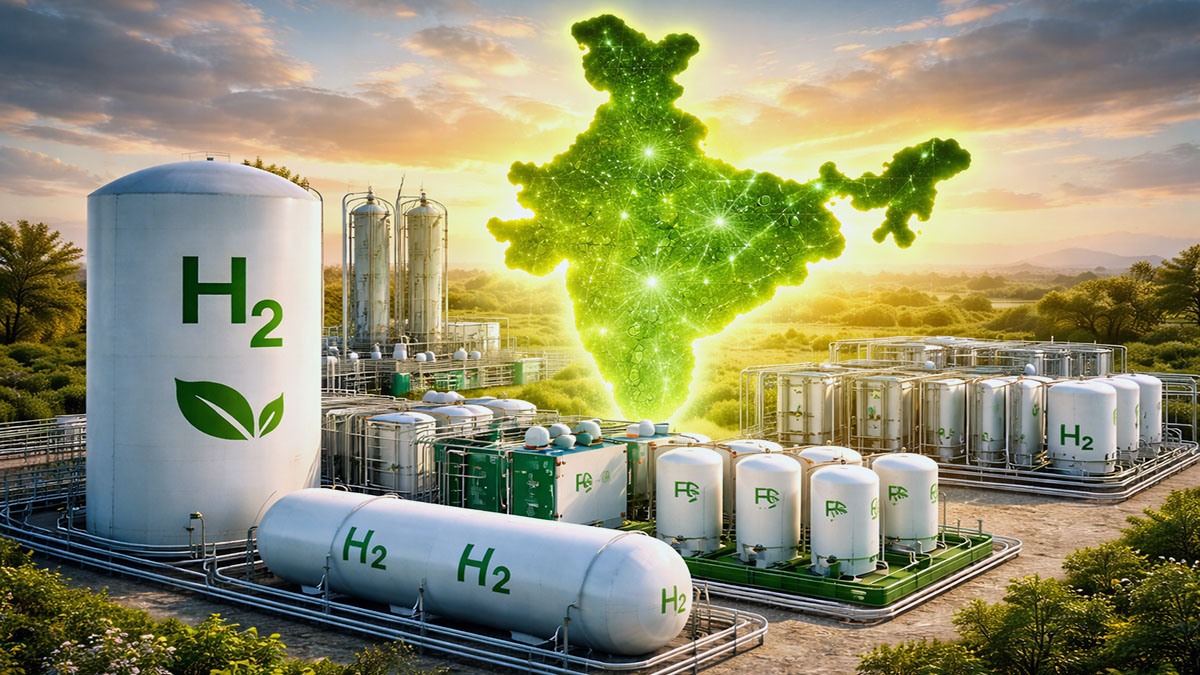

India’s green hydrogen push is emerging as one of the most strategically significant pillars of its clean energy transition, sitting at the intersection of decarbonisation, industrial competitiveness, and geopolitical energy security. Unlike solar and wind, which primarily decarbonise electricity, green hydrogen targets the hardest-to-abate sectors, fertilisers, refining, steel, shipping and heavy transport, where direct electrification is either inefficient or technologically constrained. The Economic Survey 2025–26 positions green hydrogen not as a niche experiment but as a long-horizon industrial bet that could reshape India’s energy economy over the next two decades.
At the core of this strategy lies the National Green Hydrogen Mission, which sets an ambitious production target of 5 million metric tonnes (MMT) of green hydrogen annually by 2030. This is not a symbolic number. At full scale, such production could significantly displace fossil-fuel-based hydrogen currently used in refineries and fertiliser plants, reduce India’s dependence on imported natural gas, and cut millions of tonnes of carbon emissions each year. The Survey makes clear that green hydrogen is being treated as an industrial raw material of the future, comparable in strategic importance to steel or petrochemicals in earlier phases of India’s development.
What distinguishes India’s hydrogen strategy from many global peers is its early focus on capacity creation rather than pilot-scale deployment. As of late 2025, production capacity of 8,62,000 tonnes per year has already been allocated to 18 companies, while 15 firms have been awarded 3,000 MW of annual electrolyser manufacturing capacity. This dual-track approach scaling both hydrogen production and domestic electrolyser manufacturing reflects a deliberate attempt to avoid the import-dependence trap that marked earlier clean energy transitions. Instead of relying heavily on foreign electrolysers, India is seeking to build a domestic manufacturing ecosystem from the outset.
Electrolysers are the technological heart of green hydrogen, and their cost largely determines hydrogen’s commercial viability. By incentivising domestic manufacturing capacity at scale, policymakers aim to drive down costs through learning curves, economies of scale, and supply-chain localisation. This mirrors the solar sector’s earlier journey, where India moved from near-total import dependence to a growing domestic manufacturing base supported by production-linked incentives. The Survey implicitly frames green hydrogen as the ‘next solar moment’, but with far higher technological, material and capital intensity.
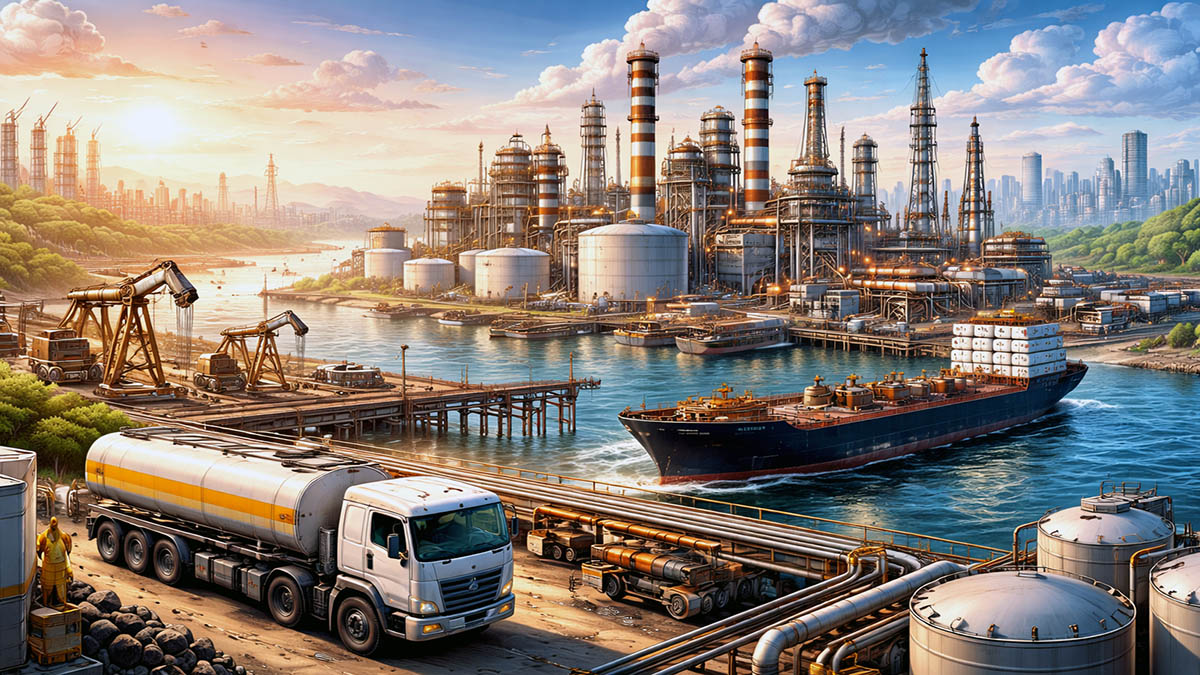
Geography is another defining feature of India’s hydrogen roadmap. Three Green Hydrogen Hubs have been designated at major port locations: Deendayal Port Authority in Gujarat, VO Chidambaranar Port Authority in Tamil Nadu and Paradip Port Authority in Odisha. These hubs are not chosen arbitrarily. Coastal locations offer access to desalinated water, proximity to renewable energy resources, and export infrastructure. The emphasis on ports signals that India is positioning green hydrogen not only for domestic use but also as a future export commodity, particularly in a world where energy-importing economies are seeking low-carbon fuel alternatives.
This export orientation carries strategic weight. As global trade becomes increasingly shaped by carbon constraints from carbon border taxes to clean fuel standards, green hydrogen could become a new axis of competitiveness. Countries that can produce it cheaply and reliably will wield disproportionate influence over future industrial value chains. India’s advantage lies in its vast renewable energy potential and relatively low-cost project execution, which could translate into globally competitive hydrogen prices if infrastructure and financing challenges are managed effectively.
Yet, the Survey is careful not to present green hydrogen as a frictionless solution. One of the central challenges it highlights is capital intensity. Producing green hydrogen at scale requires massive upfront investment in renewable power, electrolysers, water treatment, storage, and transport infrastructure. Unlike solar or wind power, hydrogen also faces conversion losses at multiple stages, making efficiency and system design critical to cost control. Without sustained policy support and innovative financing mechanisms, early projects may struggle to reach commercial viability.
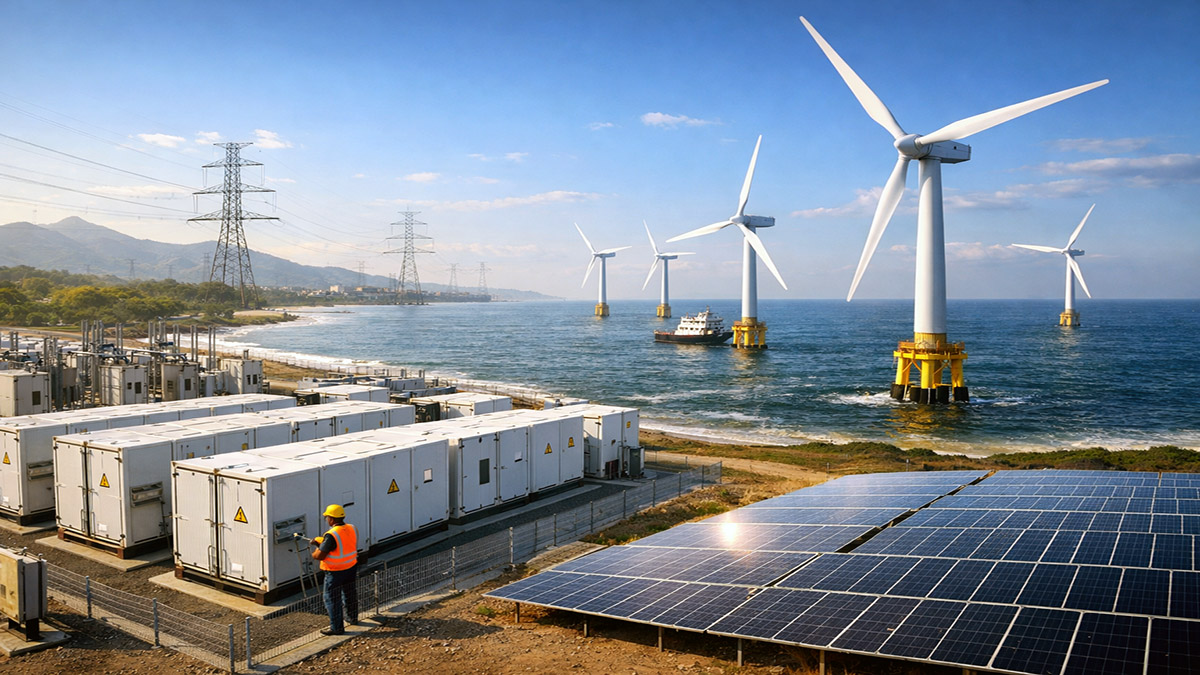
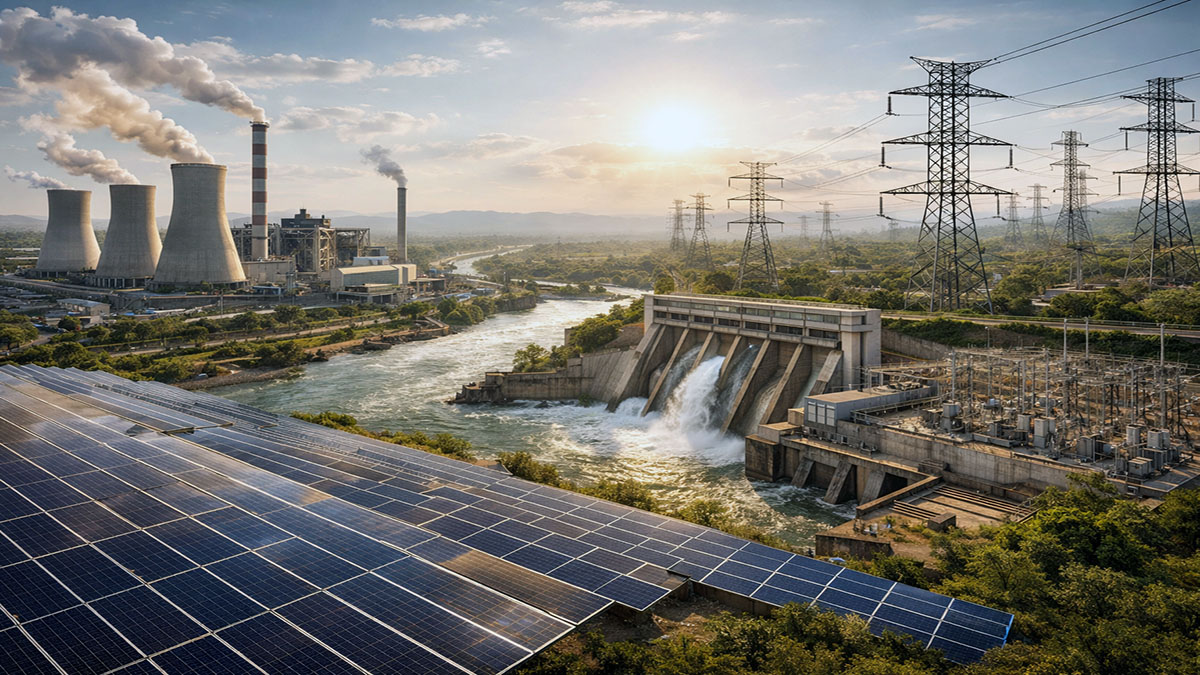
Energy storage and grid integration also play an indirect but crucial role. Green hydrogen production is most economical when paired with abundant, low-cost renewable electricity. However, renewable output is inherently variable. The Survey underscores the importance of battery energy storage systems and pumped storage hydropower to stabilise renewable supply, thereby improving electrolyser utilisation rates. Low utilisation translates directly into higher hydrogen costs, making grid stability and storage a hidden but decisive factor in hydrogen economics.
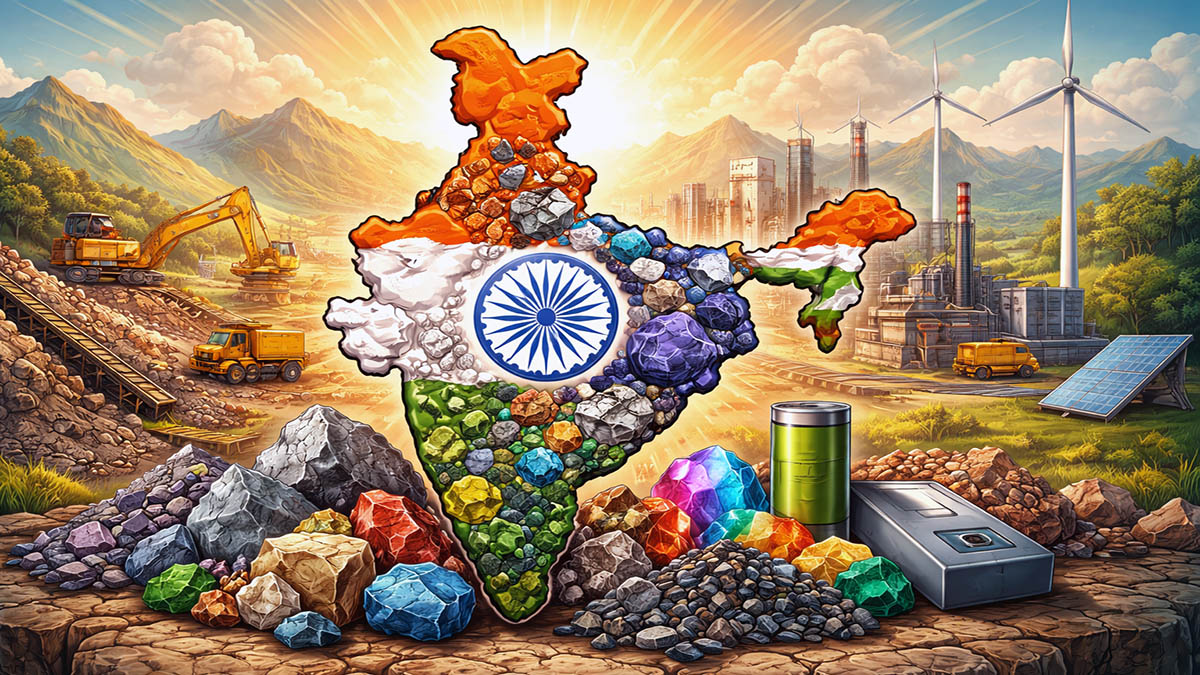
Material constraints add another layer of complexity. Electrolysers and renewable generation both depend on critical minerals such as nickel, platinum-group metals, copper, and rare earth elements. The Survey explicitly situates green hydrogen within the broader political economy of critical minerals, warning that supply concentration and geopolitical competition could influence costs and timelines. In this sense, hydrogen is not just an energy transition issue but a resource security challenge that extends upstream into mining, refining, and global trade diplomacy.
The industrial implications of green hydrogen are potentially transformative. For sectors like steel and fertilisers, hydrogen offers a pathway to deep decarbonisation without sacrificing scale. India’s steel demand is projected to rise sharply as urbanisation and infrastructure investment continue. If hydrogen-based steelmaking becomes viable, India could leapfrog carbon-intensive development pathways rather than retrofit them later at higher cost. Similarly, green ammonia derived from hydrogen could reduce emissions in fertiliser production while insulating farmers from volatile global gas prices.
There is also a geopolitical dimension. Energy transitions are redrawing global power relationships, and hydrogen could become a new vector of influence. By investing early in capacity, standards, and trade infrastructure, India is attempting to position itself as a rule-shaper rather than a rule-taker in the emerging hydrogen economy. The Survey’s framing suggests that green hydrogen is as much about strategic autonomy as it is about climate action.
Ultimately, the green hydrogen mission reflects a shift in India’s climate strategy from incremental mitigation to industrial-scale transformation. It acknowledges that decarbonisation at India’s scale cannot rely solely on lifestyle changes or marginal efficiency gains. Instead, it requires building entirely new energy-industrial systems that can support growth, exports, and employment while reducing emissions. Green hydrogen is risky, capital-heavy, and technologically demanding, but the Survey makes clear that avoiding this risk could be costlier in the long run.
If solar symbolised India’s entry into clean energy leadership and wind anchored its diversification, green hydrogen represents the next frontier, one where energy, industry and geopolitics converge. The success or failure of this mission will not be measured only in tonnes of hydrogen produced, but in whether India can translate early ambition into durable industrial capability in a rapidly fragmenting global energy order.