
In a year marked by global energy volatility, India’s power sector has emerged not just as a survivor, but as a stabilizing anchor for the national economy. The Economic Survey 2025-26 presents a compelling narrative of a sector undergoing a dual transformation: a rapid physical expansion to meet the demands of a growing economy, and a deep structural reform that has finally begun to repair the financial health of its weakest link, the distribution companies (DISCOMs).
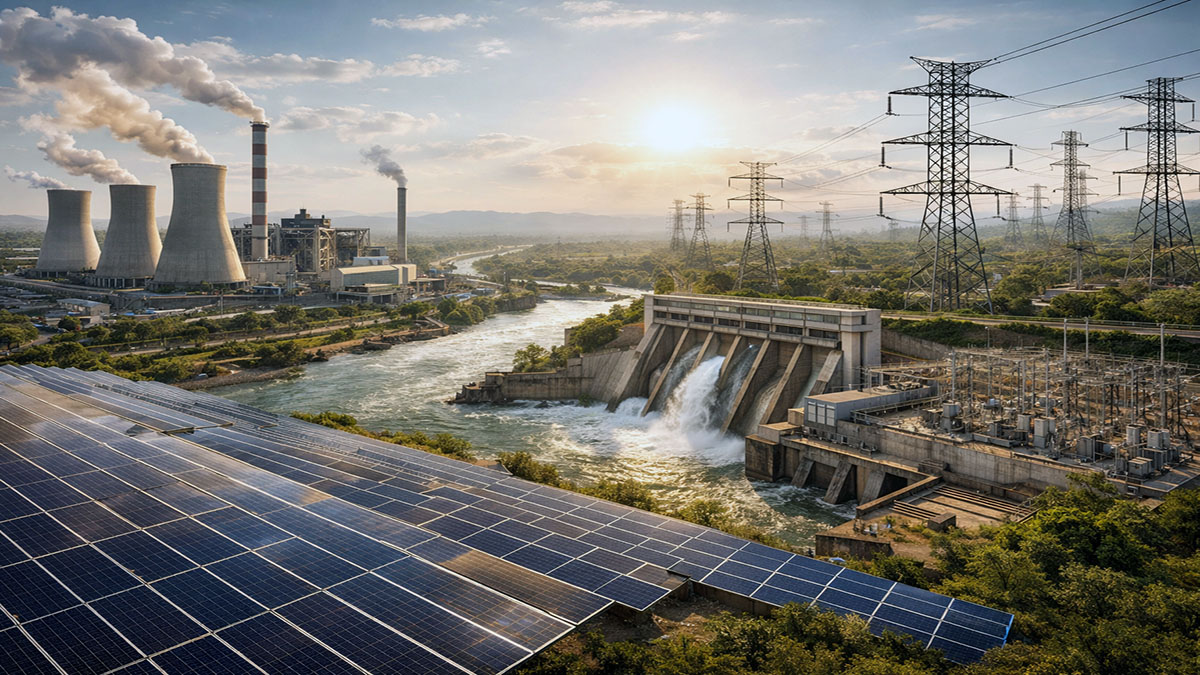
The headline story of the year is scale. As of November 2025, India’s total installed power generation capacity has surged to 509.74 GW, registering a robust year-on-year growth of 11.6%. This expansion is not merely incremental but strategic, designed to keep pace with a rapidly industrializing nation. The Survey highlights that the chronic energy deficits of the past are now history. The gap between energy demand and supply, which stood at 4.2% in FY14, has been completely erased, narrowing to nil by November 2025. This achievement is underpinned by a massive addition in transformation capacity, ensuring that the power generated can be efficiently evacuated and transmitted across the national grid.
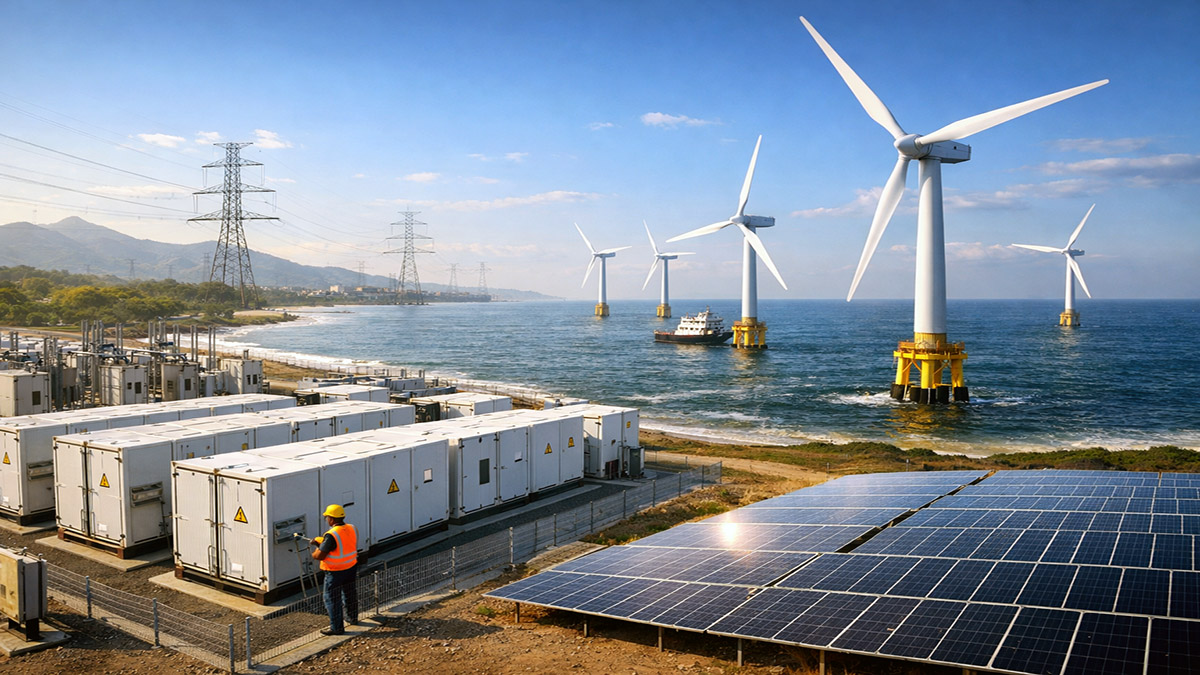
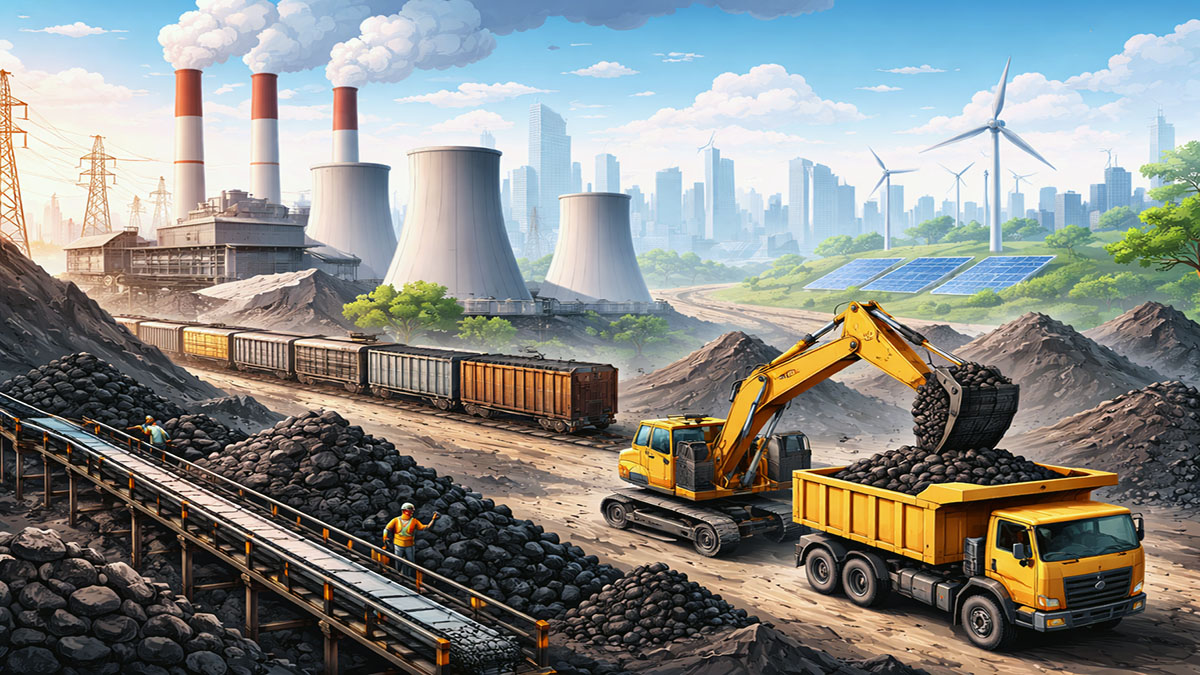
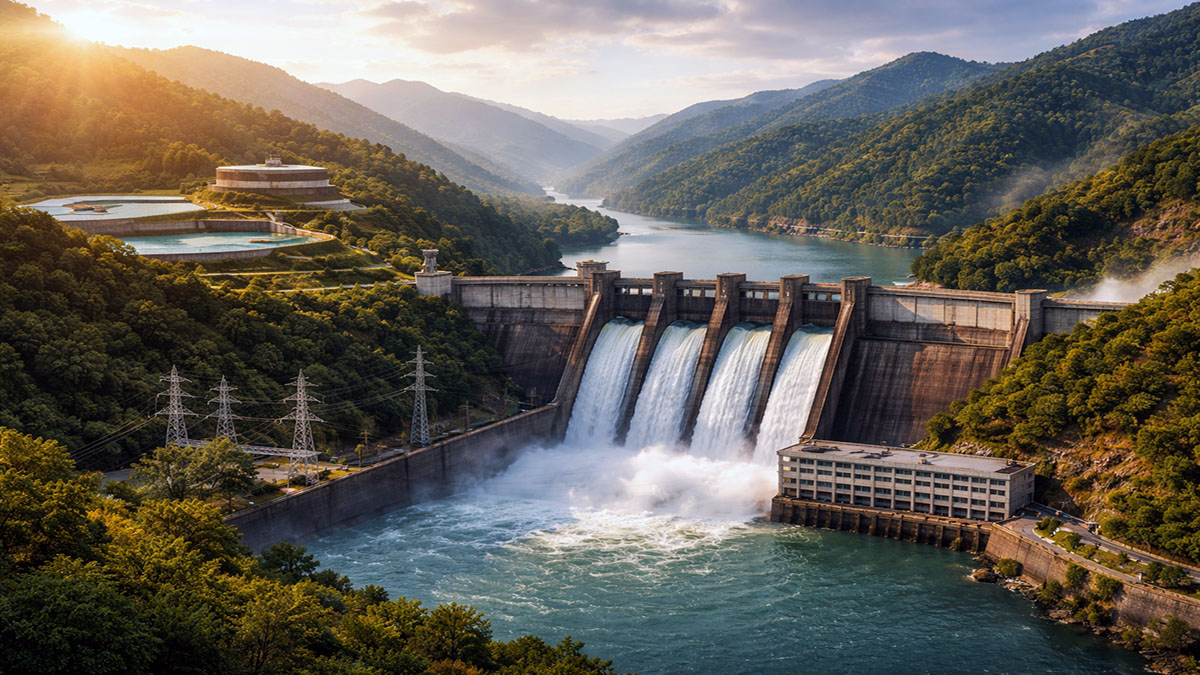
While thermal power continues to provide baseload stability, the momentum has decisively shifted toward green energy. India has already surpassed its target of achieving 50% installed power capacity from non-fossil fuel sources, reaching 51.93% by the end of December 2025. The fiscal year 2025-26 has been a watershed moment for renewables. In the first nine months alone, the country added a record 38.61 GW of renewable capacity. This surge was led primarily by solar power (30.16 GW), followed by wind (4.47 GW) and hydro (3.24 GW). Globally, India’s standing is formidable. The Survey notes that the country now ranks fourth globally in total installed renewable energy capacity, trailing only China, the USA and Brazil. Within specific segments, India holds the third-largest installed solar capacity and the fourth-largest wind capacity in the world.
Perhaps the most significant revelation in this year’s Survey is the financial resurrection of the power distribution sector. For decades, state-owned DISCOMs have been plagued by inefficiency, accumulating losses that threatened the viability of the entire value chain. However, sustained reforms have finally borne fruit. In what the Survey terms a “historic first,” India’s power distribution utilities recorded a positive Profit After Tax (PAT) of ₹2,701 crore in FY25, a decisive reversal from the staggering loss of ₹67,962 crore in FY14.
This turnaround is driven by two critical operational improvements. First, Aggregate Technical and Commercial (AT&C) losses, a key metric of grid inefficiency and theft have fallen sharply from 22.62% in FY14 to 15.04% in FY25. Second, the gap between the Average Cost of Supply (ACS) and the Average Revenue Realized (ARR) has narrowed dramatically. From a gap of ₹0.78 per unit in FY14, it has shrunk to just ₹0.06 per unit in FY25, signalling that utilities are finally earning what they spend to supply power.
The Survey attributes this success to a coordinated set of policy, regulatory, and supply-side measures. The Revamped Distribution Sector Scheme (RDSS), launched with an outlay of ₹3.03 lakh crore, has been instrumental in upgrading distribution infrastructure and implementing smart metering.
Furthermore, strict financial discipline has been enforced through the Late Payment Surcharge (LPS) Rules, which have streamlined payment cycles across the sector. Outstanding dues from DISCOMs to generators have plummeted from ₹1.4 lakh crore in June 2022 to just ₹4,927 crore by January 2026. Looking ahead, the legislative landscape is set for further evolution with the proposal of the Electricity (Amendment) Bill, 2026. This legislation aims to introduce competition in retail distribution, allowing consumers to choose their electricity supplier, a move that could fundamentally alter the market dynamics of the sector.
On the social infrastructure front, the government’s push for universal access has reached saturation levels. Schemes like SAUBHAGYA have electrified 2.86 crore households, while DDUGJY has connected over 18,000 villages. The focus has now shifted from mere connectivity to the quality of supply. The Survey reports a marked improvement in the daily average power supply, particularly in rural areas, transforming the quality of life and economic potential of the hinterland.
The Economic Survey 2025-26 paints a picture of a power sector that has successfully navigated the trilemma of energy security, sustainability, and financial viability. By decoupling growth from carbon emissions and decoupling distribution from chronic debt, India is laying a robust, electrified foundation for its journey toward Viksit Bharat. As the grid gets greener and the balance sheets get cleaner, the power sector is no longer a drag on the economy, but its most potent propellant.