
India’s cement industry has emerged as a critical barometer of national industrial health and infrastructural ambition as the country marches toward its vision of becoming a developed nation by 2047. The Economic Survey 2025-26 characterizes the current period as a phase of significant strengthening for the sector, where record-breaking capacity expansion is being balanced with an urgent shift toward green manufacturing and digital integration.
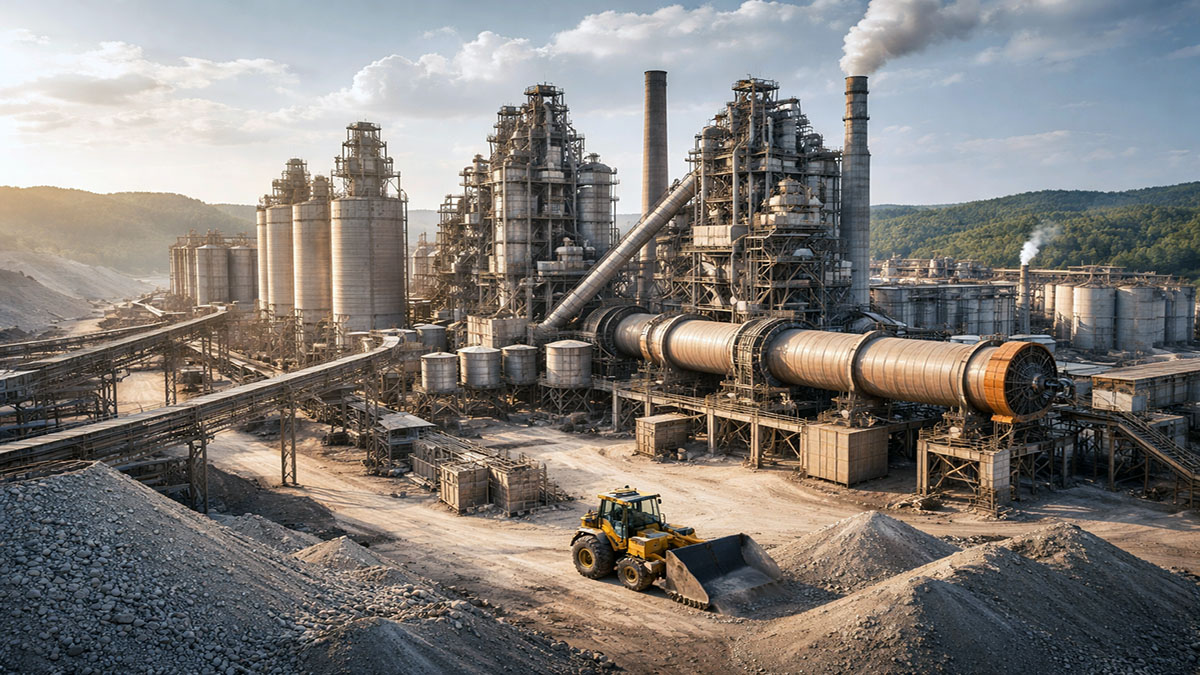
India currently maintains its position as the second-largest cement producer in the world. The vast domestic industry infrastructure comprises 160 integrated large cement plants, 130 grinding units, and 62 mini cement plants. As of the current fiscal year, the annual installed capacity of the industry has reached approximately 690 million tonnes. Actual production for the fiscal year 2024-25 stood at around 453 million tonnes, supported by a healthy recovery in real industry Gross Value Added (GVA).
Despite this massive scale, the Survey highlights that a significant untapped potential remains for the industry. Domestic cement consumption in India is approximately 290 kg per capita, which stands in stark contrast to the global average of 540 kg per capita. To bridge this gap, the industry has seen sustained momentum in capacity addition and production levels over the last decade.
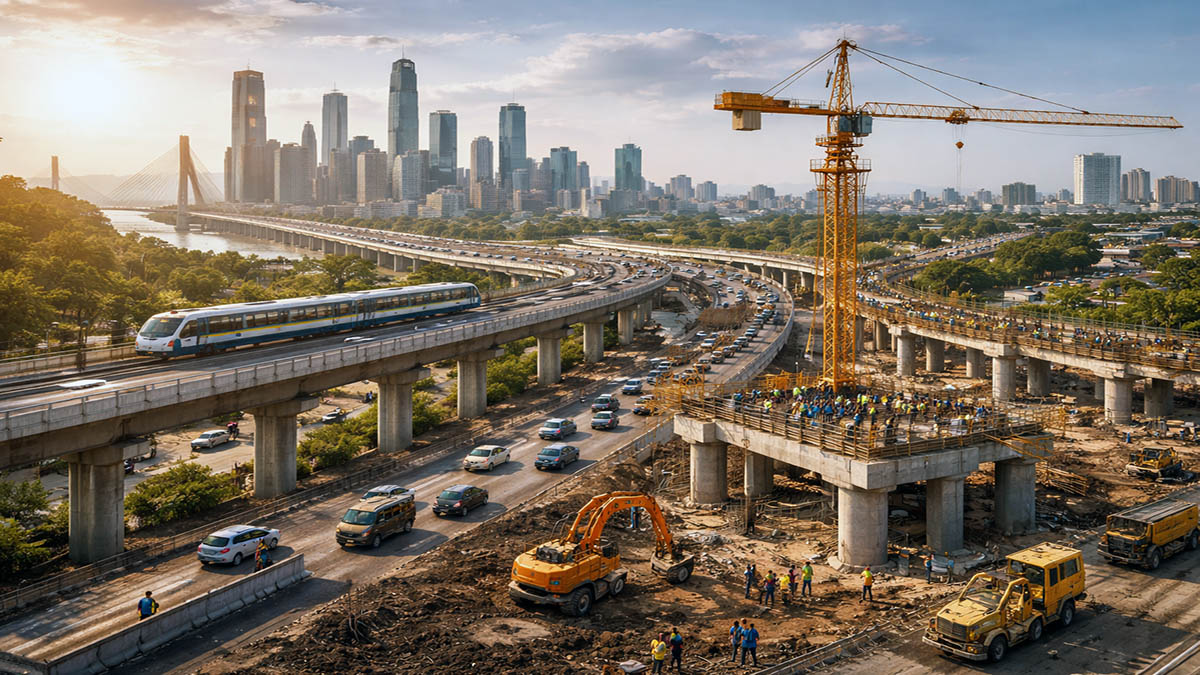
The sector’s resilience is anchored by a robust demand engine driven primarily by government initiatives. The Union Government’s sustained focus on mega infrastructure projects, including the expansion of the National Highway network to over 1.46 lakh km and the development of operational High-Speed Corridors, serves as a primary driver of bulk demand. Furthermore, dedicated investments in railways, which saw record capital expenditure, and the modernization of airports have created a steady pipeline for cement consumption.
Residential construction continues to be a foundational support for the industry. Initiatives such as the Pradhan Mantri Awas Yojana (PMAY) have significantly stimulated demand; the rural housing program has sanctioned over 3.86 crore houses, while the urban wing has sanctioned over 122 lakh units as of late 2025. This volume is further bolstered by a rising trend in household savings being directed toward physical assets, which has supported a steady upcycle in real estate sales since late 2021.
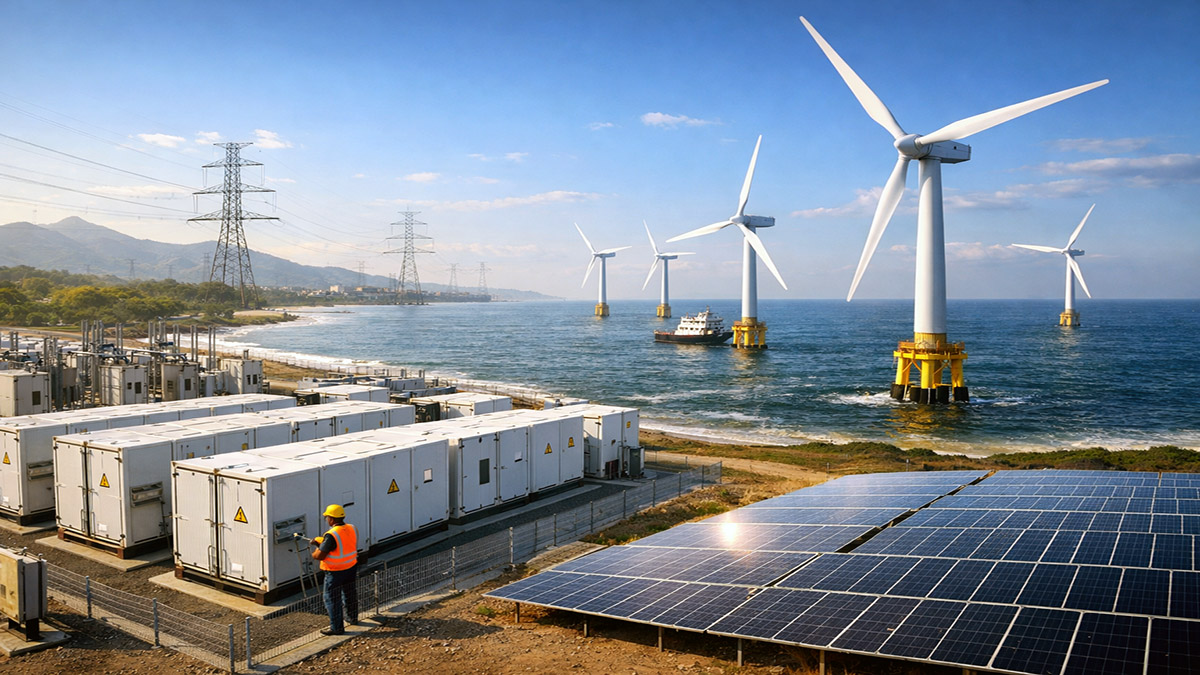
A defining theme of the latest Survey is the industry’s pivot toward sustainability and higher standards. To meet national climate goals and enhance global competitiveness, the sector is increasingly subject to mandatory quality assurance through Quality Control Orders (QCOs), with cement being one of the primary sectors where these standards have improved compliance and reduced substandard products.
In terms of fiscal policy, the recent rationalization of the Goods and Services Tax (GST) into a simplified two-rate structure is expected to support the sector further. By lowering the GST on cement and other construction materials to a merit rate, the reform is anticipated to reduce overall project costs and stimulate further activity in the infrastructure and real estate domains. This is part of a broader effort to eliminate inverted duty structures that previously penalized downstream manufacturing.
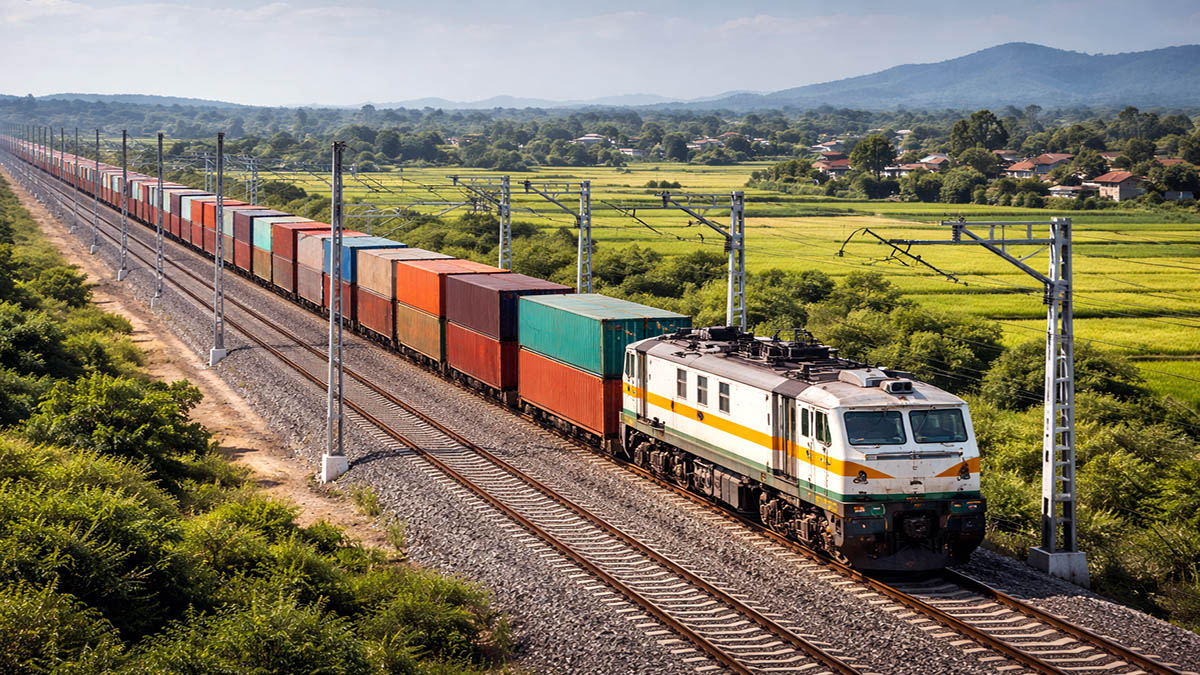
While the outlook remains positive, the Survey identifies structural bottlenecks that must be managed to sustain growth. Logistics remains a high-cost variable, prompting a strategic shift toward more cost-effective rail freight under the PM GatiShakti framework, which saw cement loading reach 109 million tonnes in the current fiscal year.
Additionally, the sector faces regional variations in performance. While about 85% of the industry is concentrated in eleven key states including Rajasthan, Andhra Pradesh, Telangana and Gujarat, logistics and supply chain integration remain vital for ensuring equitable access across the country. The National Logistics Policy is playing a central role here by developing sectoral plans for efficient logistics specifically tailored for the cement industry.
India’s cement sector is moving beyond mere volume expansion toward a high-productivity, quality-driven model. By linking record public investment with structural reforms in taxation, standards, and multimodal logistics, the industry is setting the foundation for the next leap in India’s industrial journey.