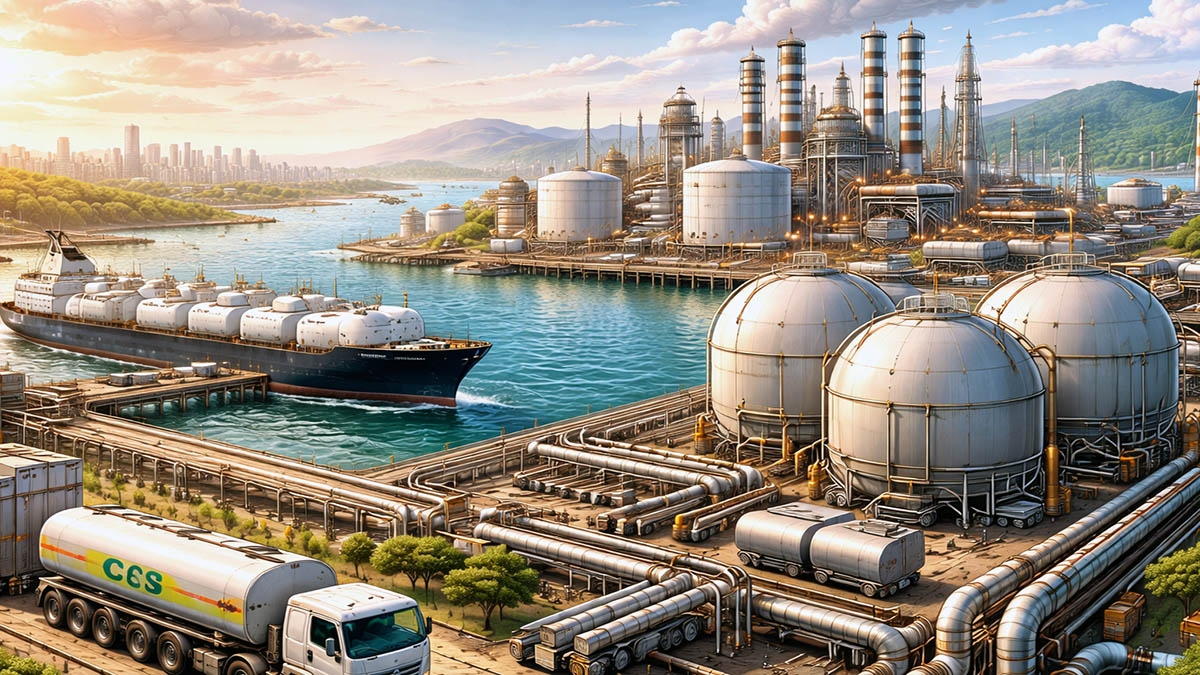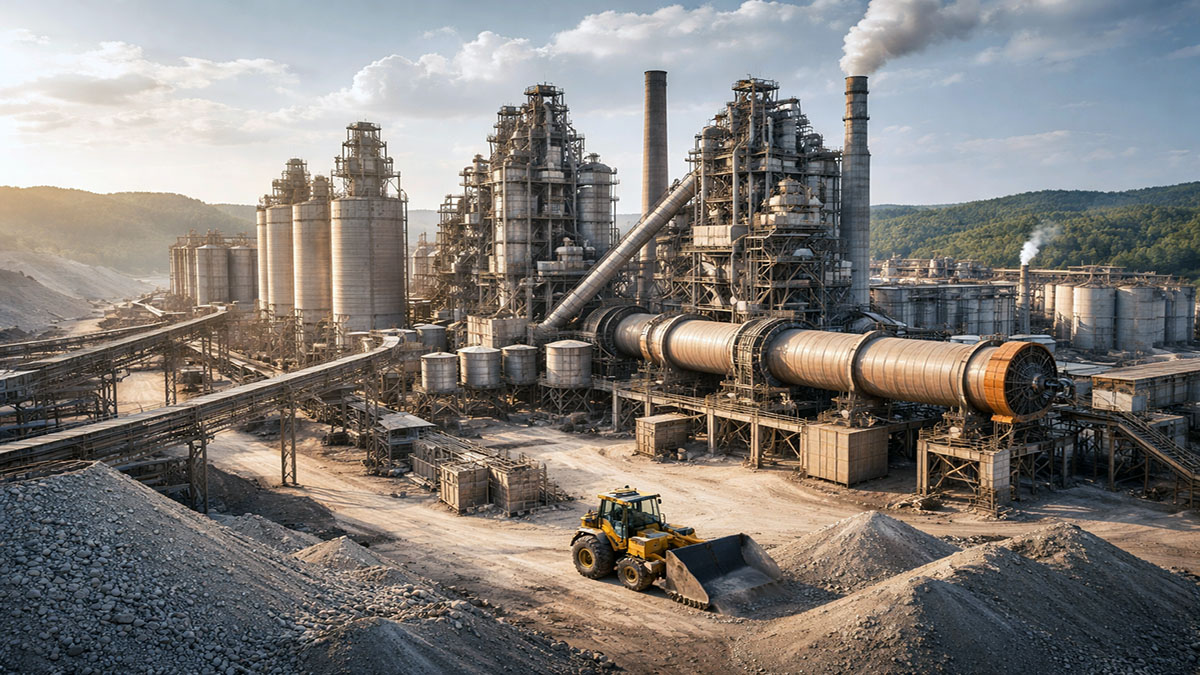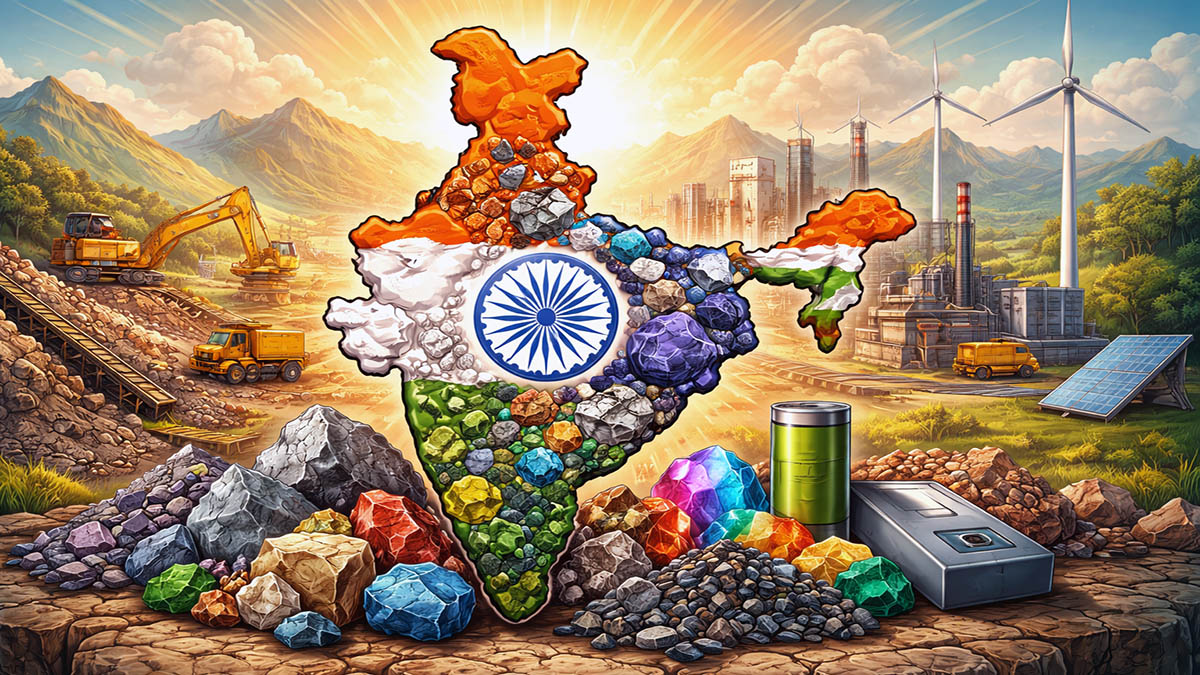

India’s mineral sector is entering a transformative phase, marked by robust growth, rising domestic and global demand, and significant policy shifts designed to secure strategic resources. According to the Economic Survey 2025–26, the nation’s minerals are not just raw inputs for industry, they have become critical to India’s energy transition, digital economy and strategic autonomy.
The Survey underscores that India’s mineral production has seen consistent growth over the last decade, driven by industrial expansion, urbanisation, and the global push for critical and rare earth minerals. Metals such as copper, lithium, cobalt and nickel, essential for renewable energy infrastructure, battery storage, and electronics, are witnessing unprecedented demand. Copper prices alone surged nearly 20% in 2025 due to supply constraints, even as yields fell, highlighting the pressure on traditional metals amid a surge in clean energy requirements.
Lithium, critical for India’s energy storage ambitions, is seeing particularly high attention. Through Khanij Bidesh India Ltd. (KABIL), India has acquired 15,703 hectares in Argentina and established partnerships in Australia and Chile to secure lithium mining capacity. This international expansion reflects India’s strategy to mitigate supply risk while building resilience for its domestic clean energy and electric mobility industries.
The National Critical Mineral Mission (NCMM), launched in January 2025 with a total outlay of ₹16,300 crore and an expected additional investment of ₹18,000 crore from PSUs and private partners, signals India’s proactive stance in securing critical minerals. The NCMM aims to strengthen value chains across exploration, mining, beneficiation, processing, and recycling, making India less vulnerable to global supply shocks.
Amendments to the Mines and Minerals (Development and Regulation) Act, 2023 have expanded the central government’s authority to auction critical minerals, opening six previously restricted minerals to private sector participation and enabling dynamic inclusion of new minerals in mining leases. This regulatory flexibility is aimed at accelerating domestic mineral production while attracting investment and expertise from global players.
Further, India has initiated a ₹1,500 crore incentive scheme for critical mineral recycling, encouraging extraction from secondary sources and development of domestic processing capacity. By embedding circular economy principles, this policy aims to reduce import dependence and promote sustainable practices.
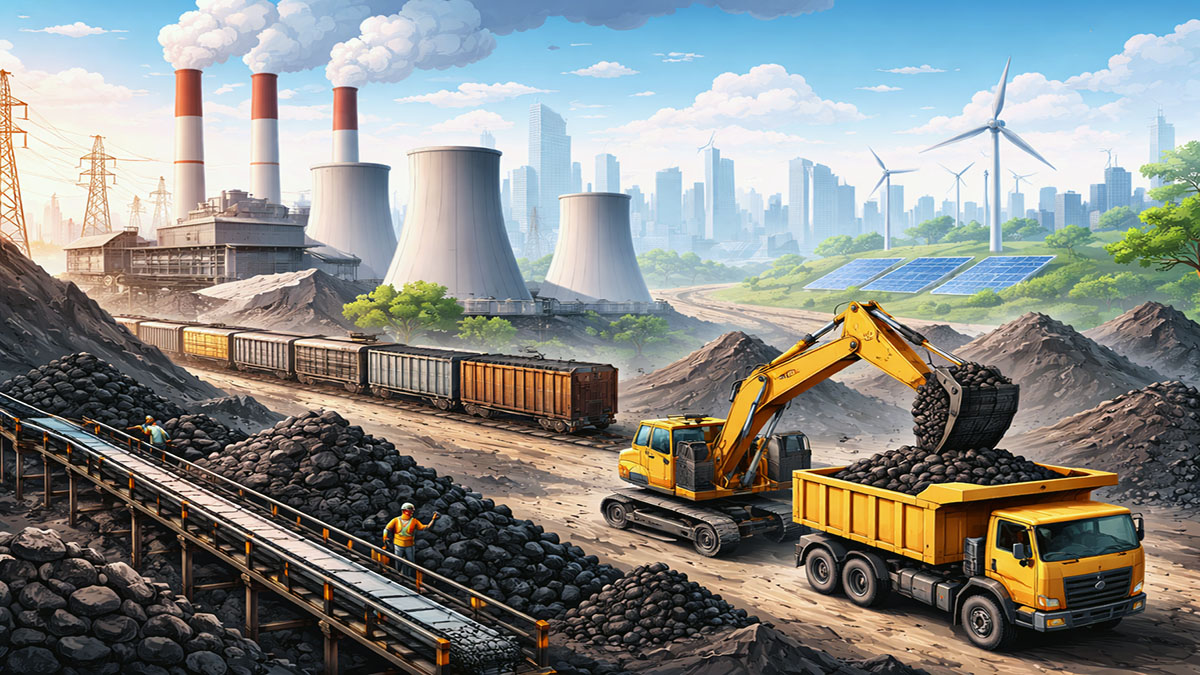
While critical minerals like lithium, cobalt and copper are surging, traditional segments such as iron ore and basic industrial minerals face moderate saturation in domestic and international markets. The Survey notes that the demand for certain bulk minerals is stabilising, particularly as steel efficiency improves and global competition increases. Minerals tied to legacy industries, including low-grade bauxite and some non-ferrous ores, are experiencing slower growth, highlighting the sector’s pivot toward high-value, technology-linked minerals.
India’s mineral strategy reflects a careful balance between strategic autonomy and global integration. Partnerships under the Indo-Pacific Economic Framework and the Minerals Security Partnership enable India to secure access to critical materials while fostering technology transfer and industrial collaboration. These international linkages complement domestic capabilities and the NCMM’s focus on exploration, mining and downstream processing.
The Geological Survey of India is expanding its exploration footprint, having completed 195 projects in FY24-25 and initiating 230 projects in FY25-26 for critical and strategic minerals. This reflects a proactive approach to mapping resources and supporting policy-driven extraction and investment priorities.
Despite the ambitious policy landscape, the mineral sector faces challenges. Supply constraints, environmental regulations, and the need for sustainable extraction practices remain key hurdles. The global demand surge for copper and lithium is straining both domestic production and import channels, requiring efficient logistics and strategic stockpiling.
The Survey stresses the importance of building robust domestic supply chains, incentivising private sector participation, and leveraging recycling and secondary sources to reduce vulnerability. India’s approach is data-driven, balancing resource exploitation with sustainability, strategic resilience and economic competitiveness.
India’s mineral sector is no longer just an industrial backbone, it is a strategic asset central to the nation’s energy transition, technology leadership and geopolitical positioning. With surging demand for critical minerals, robust policy interventions like the NCMM and an expanding exploration footprint, India is positioning itself as a global player in strategic resources. At the same time, the sector’s success will depend on carefully managing declining traditional segments, integrating recycling and building resilient domestic and international supply chains.
In the coming decade, India’s mineral sector will be defined not merely by output, but by its ability to align strategic foresight, industrial policy and sustainability, ensuring that the country remains competitive in a resource-intensive, technology-driven global economy.