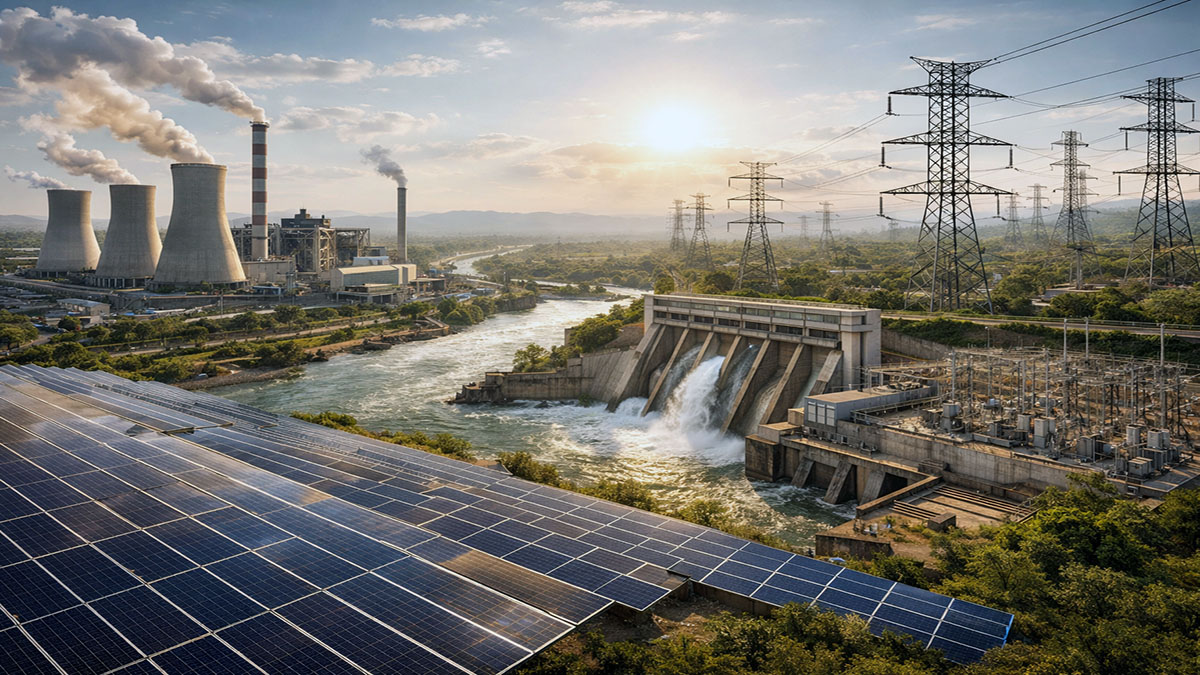

India’s coal sector delivered a strong and strategically significant performance during the year, reaffirming its central role in India’s energy system even as the country accelerates its transition toward cleaner sources. The Economic Survey 2025–26 presents coal not as a sunset industry, but as a stabilising backbone that underpins electricity generation, industrial output and energy security at a time of rising power demand from infrastructure, manufacturing, and data centres. The year under review highlights how coal output, logistics and policy reforms collectively supported economic growth while navigating the tensions between energy security and decarbonisation.
Coal production recorded robust growth in FY26, continuing the momentum of the previous year. According to the Survey, domestic coal output increased by over 9–10% during FY26 (up to November), building on record production levels achieved in FY25. This expansion was driven by sustained electricity demand, higher plant load factors in thermal power stations, and policy emphasis on reducing import dependence. Coal India Limited (CIL), which accounts for the bulk of domestic output, remained the primary driver of this growth, supported by incremental contributions from captive and commercial mines.
The demand-side dynamics underpinning this performance were clear. Electricity consumption in India continued to rise steadily, reflecting economic expansion, urbanisation and the emergence of new, power-intensive sectors such as data centres and AI-driven digital infrastructure. Thermal power generation retained a dominant share in the electricity mix, particularly during periods when renewable generation was constrained by weather variability. The Survey underscores that coal-based power plants provided critical grid stability, enabling India to meet peak demand and avoid large-scale power shortages.
A key achievement highlighted in the Survey is the decline in coal imports despite rising demand. Higher domestic production and improved logistics helped moderate India’s reliance on imported coal, particularly for thermal power. While coking coal imports for steelmaking remained structurally high due to limited domestic availability, the reduction in thermal coal imports strengthened India’s energy security and reduced exposure to volatile international prices. This shift also had positive implications for the current account balance and foreign exchange outflows.
Logistics and evacuation capacity emerged as an important enabler of coal sector performance. The Survey notes continued investment in rail infrastructure, including dedicated freight corridors, mine-rail connectivity projects and first-mile connectivity initiatives. These measures reduced bottlenecks between pitheads and power plants, improved supply reliability and lowered transportation costs. Higher coal dispatches by rail during the year reflected not only increased production but also better coordination between mining companies, Railways and power utilities.
Policy reforms continued to reshape the coal sector’s structure. The commercial coal mining framework, introduced earlier, gained further traction during the year. The Survey highlights that multiple rounds of commercial coal mine auctions have expanded private sector participation, diversified supply sources and introduced competitive dynamics into a sector long dominated by public enterprises. While production from these mines is still ramping up, their growing presence is expected to support medium-term output growth and technological modernisation.
Financial performance in the coal ecosystem also improved. Higher production volumes and better price realisation supported revenues for major producers, while power generators benefited from improved fuel availability. The Survey suggests that greater domestic coal supply helped stabilise electricity tariffs by reducing dependence on costlier imports, thereby containing input cost pressures across the economy. For coal-bearing states, higher output translated into increased royalty collections and district mineral foundation (DMF) contributions, strengthening state finances.
At the same time, the Survey does not gloss over structural challenges. Environmental and social considerations remain a critical constraint on coal expansion. Land acquisition, forest clearances and rehabilitation requirements continue to influence project timelines and costs. The Survey acknowledges that balancing faster output growth with environmental compliance is an ongoing policy challenge, particularly as India has committed to long-term climate targets while facing near-term energy security imperatives.
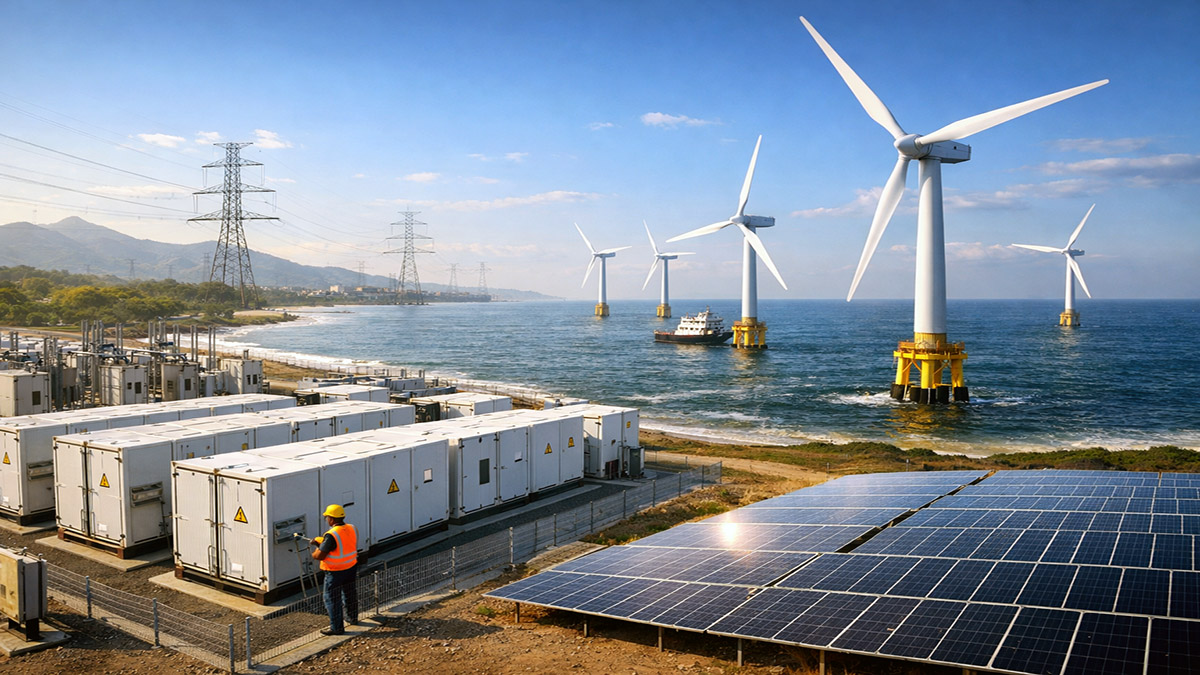
Coal’s role in the energy transition is addressed candidly. The Survey frames coal as a ‘transition fuel’ rather than a permanent solution. While renewable capacity is expanding rapidly, the variability of solar and wind power means that coal will continue to play a stabilising role in the medium term. The Survey emphasises that the pace of coal phase-down will depend not only on renewable deployment, but also on the availability of grid-scale storage, flexible generation and transmission infrastructure. Until these systems mature, coal remains indispensable for reliability.
Efficiency improvements within the coal sector are also highlighted. The Survey points to ongoing efforts to improve mine productivity, reduce losses, and deploy technology for better resource management. Mechanisation, digital monitoring, and improved safety practices are gradually raising output per mine and per worker. In parallel, coal washing and quality improvement initiatives are being encouraged to reduce ash content and improve combustion efficiency at power plants, thereby lowering emissions per unit of electricity generated.
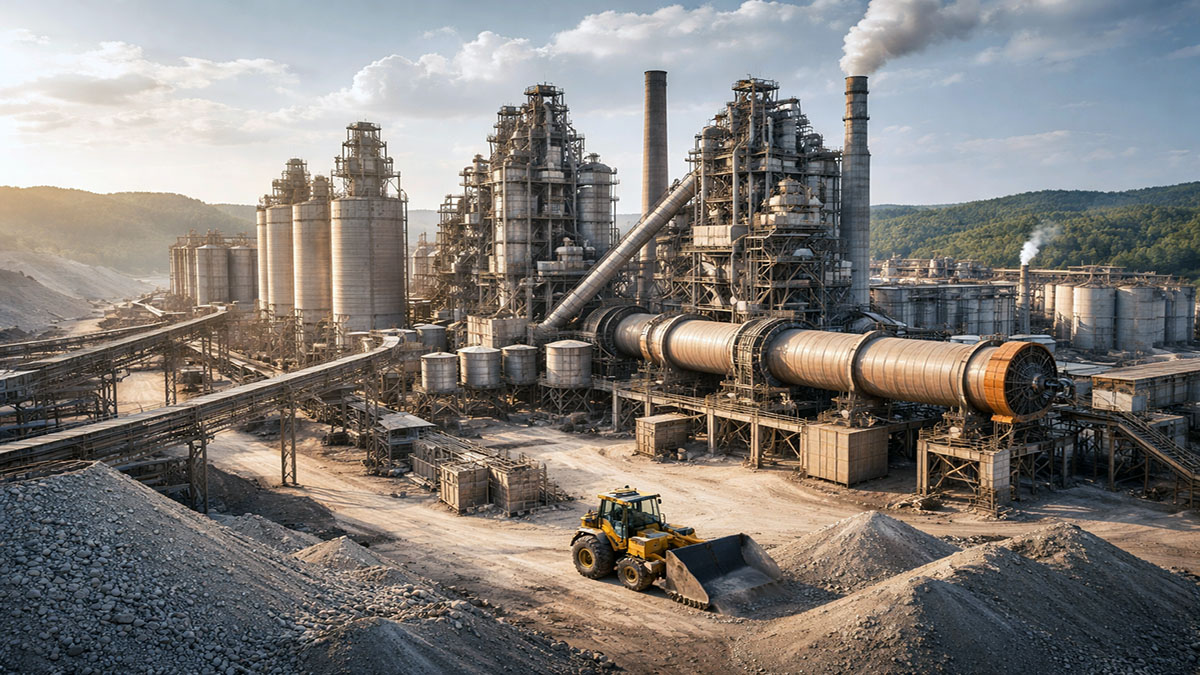
The coal sector’s linkages with other core industries further amplified its importance during the year. Steel, cement and aluminium production all depend directly or indirectly on coal availability. The Survey notes that stable coal supply supported higher steel output and cement production, reinforcing the investment-led growth cycle driven by infrastructure spending. In this sense, coal functioned as an upstream enabler of industrial momentum rather than an isolated sectoral story.
Looking ahead, the Economic Survey outlines a nuanced outlook for coal. In the near to medium term, demand is expected to remain strong, driven by rising electricity consumption and industrial activity. Domestic production is projected to increase further as new mines come on stream and existing operations expand. However, over the longer horizon, coal demand growth is expected to moderate as renewable energy, storage and alternative technologies scale up. The challenge for policymakers will be to manage this transition smoothly, avoiding supply shocks while aligning with climate commitments.
In conclusion, the performance of India’s coal sector during the year reflects a pragmatic balancing act. On one hand, coal delivered strong output growth, improved energy security and supported economic expansion. On the other, it operates under increasing pressure from environmental constraints and the imperative to decarbonise. The Economic Survey 2025–26 makes it clear that coal remains central to India’s energy reality today, even as the country prepares for a more diversified and cleaner energy future. How effectively India manages this duality will shape not only the coal sector’s trajectory, but the stability and affordability of its entire power system in the years ahead.