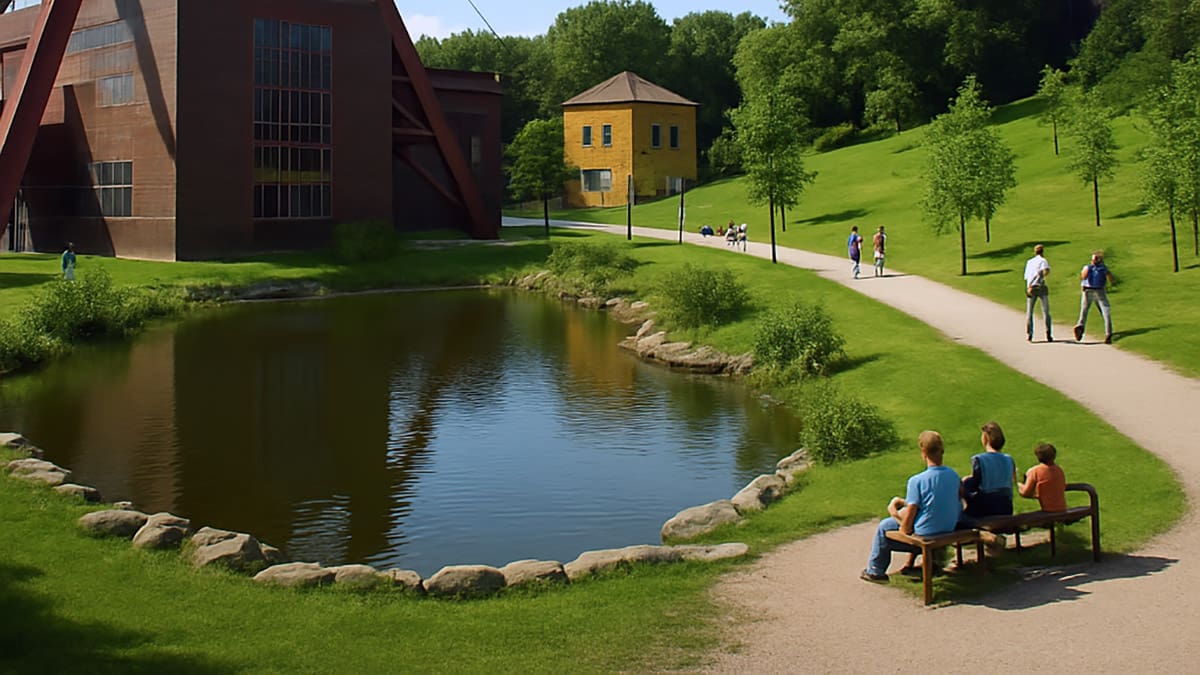

In a bid to emulate successful global models and foster sustainable development, India is transforming several closed coal mines into vibrant tourist destinations and community spaces. This approach mirrors practices in countries such as Germany, the United Kingdom, and Australia, where former coal mines have been repurposed into cultural centres, recreational areas, reservoirs, and industrial hubs.
Coal and Lignite Public Sector Undertakings (PSUs) in India have already initiated a range of repurposing projects aimed at benefiting both the environment and local communities. These include eco-parks, recreational areas, mine tourism sites, solar power projects, pisciculture in abandoned mine voids, and other community-centric amenities. Among the standout examples are Bishrampur (Kenapara) and Ananya Vatika developed by South Eastern Coalfields Limited (SECL); Saoner Eco Park by Western Coalfields Limited (WCL); Kayakalp Vatika and a pisciculture project at the Kerketta Mine Void by Central Coalfields Limited (CCL); C S Azad Eco Park at Orient Mine No. 4 under Mahanadi Coalfields Limited (MCL); Sindoor Eco Park and Mango Orchard at Jhanjra by Eastern Coalfields Limited (ECL); and Parasnath Udyan developed by Bharat Coking Coal Limited (BCCL).
These developments are aligned with the recently introduced Guidelines for Preparation of Mining Plan and Mine Closure Plan for Coal and Lignite Blocks-2025. These guidelines stress the importance of scientifically and socially responsible mine closures that prioritise environmental restoration, land reclamation, and community oriented post mining land use. They offer a comprehensive roadmap for minimising long-term ecological damage, promoting the rehabilitation of land for varied uses, and incorporating initiatives such as agriculture, eco-tourism, green energy development, waterbody restoration, and the promotion of local culture and heritage.
A key element of the guidelines is the encouragement of community participation in maintaining and operating these repurposed spaces. This not only enhances cultural relevance but also generates employment opportunities for local residents. In areas where coal mines are closed due to resource depletion, permanent workers are redeployed to other active mining operations, ensuring job security.
Furthermore, under the Mine Closure Guidelines and Corporate Social Responsibility (CSR) mandates, PSUs are required to implement skill development and livelihood enhancement programs for the affected communities. To this end, the guidelines specify that at least 25% of the five-yearly escrow amount deposited for mine closure activities must be allocated for community development and livelihood initiatives. Additionally, 10% of the final mine closure cost is dedicated to “Just Transformation,” a fund intended to support socio-economic transition, skill building, and long-term livelihood solutions in consultation with local authorities and stakeholders.